Bitazza Rolls Out Regulated TouristDigiPay Pilot Letting Foreign Visitors Pay Thai QR Codes From Digital Assets
Approved under Thailand's SEC and Bank of Thailand sandbox, the new Android pilot converts crypto into Thai baht e-money so travelers can scan PromptPay merchant QR codes without a local bank account.
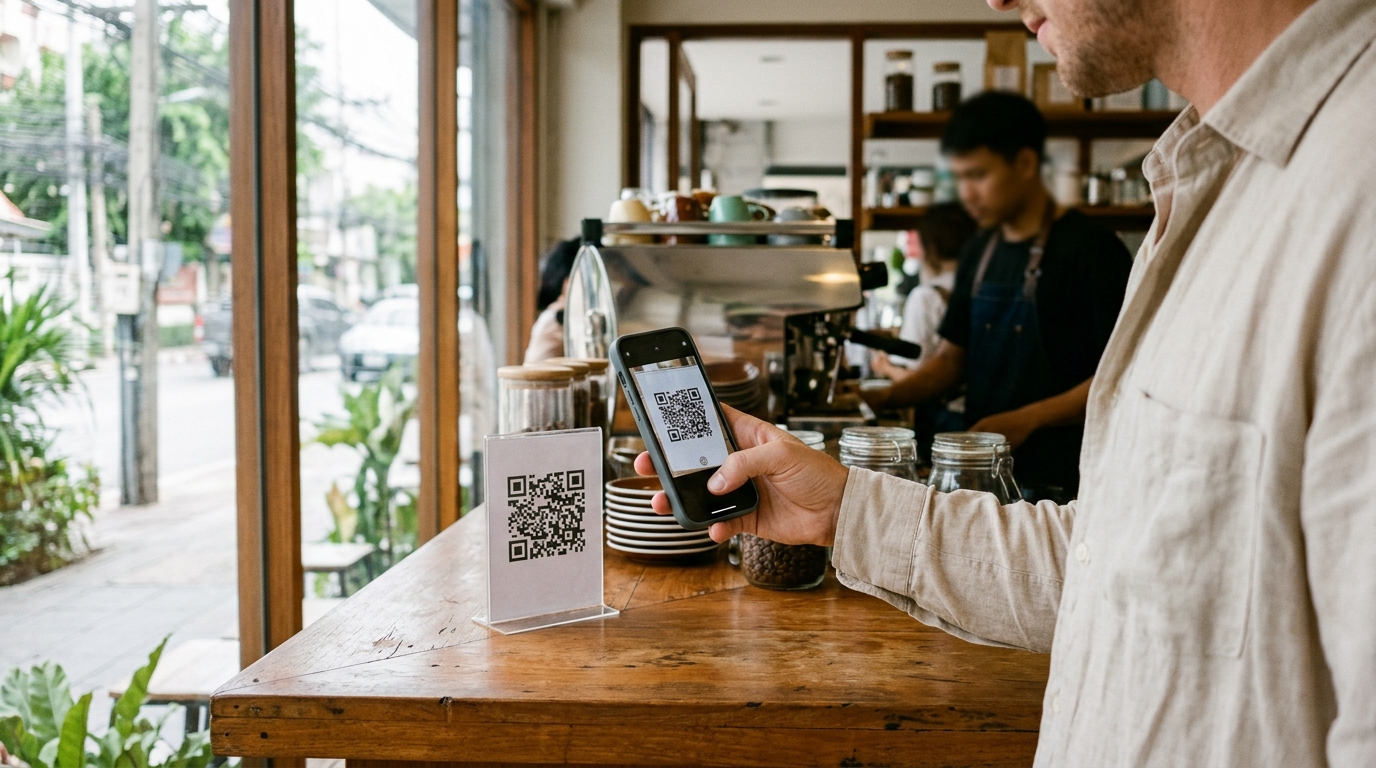
Foreign visitors and digital nomads in Thailand have long navigated a daily contradiction: nearly every coffee stall, taxi, and neighborhood shop runs on instant PromptPay QR codes, yet opening a local Thai bank account on a short-term stay is nearly impossible. Bitazza Thailand has now rolled out an Android pilot of Bitazza DigiPay, the first live consumer application under Thailand's official TouristDigiPay regulatory sandbox.
Designed jointly by the Securities and Exchange Commission (SEC) of Thailand, the Bank of Thailand (BOT), and the Anti-Money Laundering Office (AMLO), TouristDigiPay does not turn cryptocurrency into legal tender at Thai checkout counters. Instead, it creates a tightly supervised conversion bridge. Eligible international visitors complete passport Know Your Customer (KYC) verification, deposit digital assets with an SEC-licensed broker, convert those holdings into Thai baht, and spend the balance through a BOT-licensed e-money wallet operated with T2P.
For local Thai businesses, nothing changes at the register. Merchants display their existing Thai QR Payment code and receive settled Thai baht directly, avoiding both crypto price volatility and unfamiliar tax reporting. Bitazza secured its sandbox approval on September 9, 2026, making it the first licensed digital asset operator to bring the policy from consultation to a live tourist pilot.
What This Means for Expats and Travelers in Thailand
- A compliant bridge for non-residents: Visitors without a Thai bank account previously had to rely on cash exchanges, airport prepaid booths such as KBank Pay&Tour, or tourist apps carrying international card surcharges. TouristDigiPay gives crypto-holding travelers a regulated path into Thai QR rails, provided they pass passport KYC (typically reviewed within 24 hours) and AML checks.
- Merchant QR vs. personal PromptPay QR still matters: Like other licensed e-money tourist wallets, acceptance is most reliable at registered commercial QR codes in malls, restaurants, convenience chains, and licensed venues. Small street stalls using personal bank-to-bank PromptPay QR codes can still reject e-money wallets, so carrying small baht notes remains practical.
- Compare spreads before loading large balances: With the initial pilot limited to Android, travelers should check live conversion spreads and any wallet top-up fees against standard ATM withdrawals or Wise transfers before moving significant spending money.


Comment verification
Step 1 of 3
Verify your email once to publish your comment. Your email is never shown publicly.
Enter the 6-digit code sent to .
Choose the display name shown next to your comments.