Thailand Bets on an 18% US Tariff Ceiling and a 2027 Investment Pivot: What It Means for Expats
Bangkok is racing to lock in a reciprocal trade deal with Washington while retiring short-term consumer handouts in favor of infrastructure, easier business credit, and household solar.
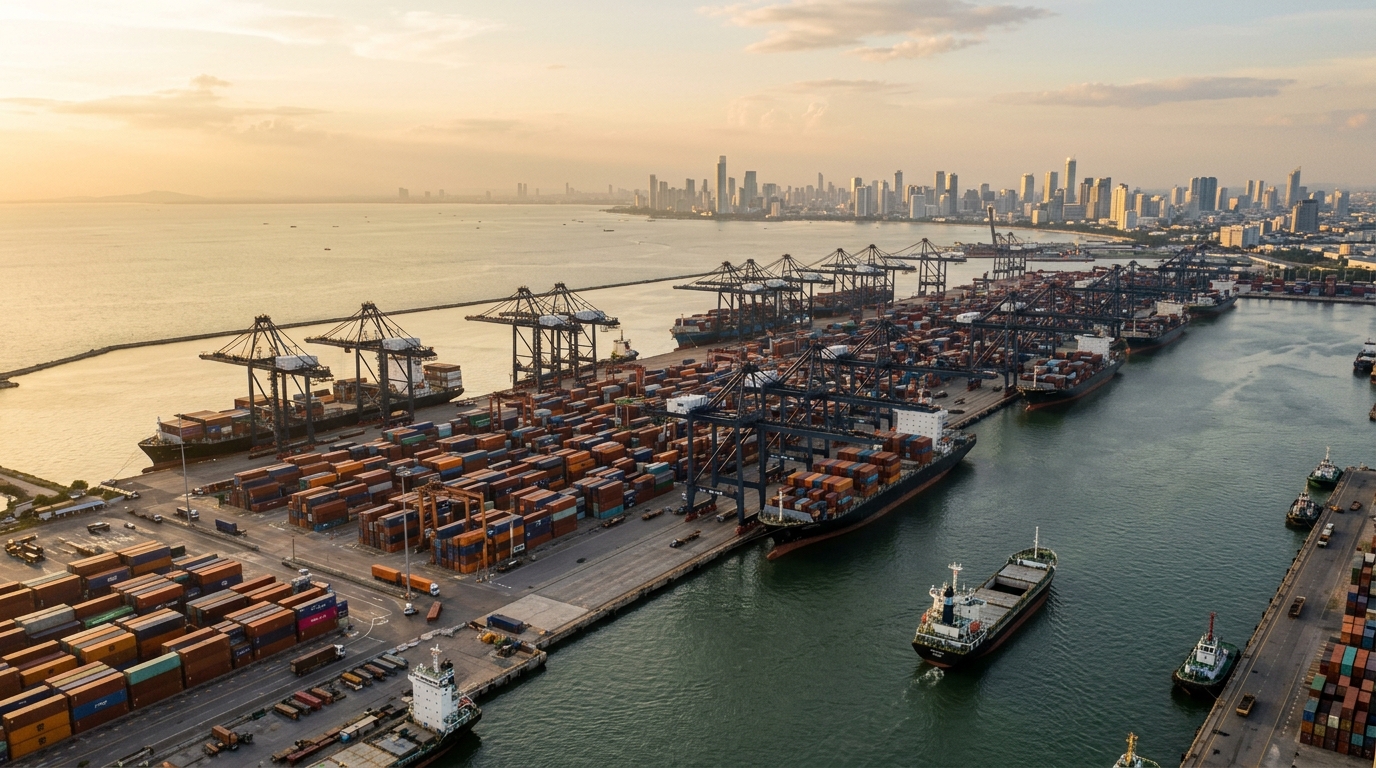
Thailand is walking a tightrope between Washington's tariff pressure and a homegrown economic overhaul, and the outcome over the next few months will quietly shape everything from the strength of the baht to the cost of keeping the lights on in Bangkok and Chiang Mai.
At Government House this week, Prime Minister Anutin Charnvirakul and his economic team stepped forward to defend a proposed 18% average tariff ceiling on Thai exports heading to the United States. While 18% is hardly painless for factories lining the Eastern Economic Corridor, officials argue the number represents hard-won damage control: early talks began around 20%, edged down to 19%, and sidestepped a looming 30% penalty that could have hammered Thai manufacturing.
A Reciprocal Bargain, Not a Free-Trade Pact
Unlike a classic free-trade treaty, the framework being drafted with the Office of the United States Trade Representative is built around reciprocity. The 18% figure serves as an average cap rather than a flat rate, meaning individual product lines could end up facing lower duties, zero tariffs, or steeper levies depending on the final schedule. Crucially, nothing changes overnight: the existing 12.5% tariff remains in place while both sides hammer out final language into early 2027.
To narrow its persistent trade surplus with Washington, Bangkok is putting big-ticket American purchases on the table, ranging from agricultural commodities and commercial passenger aircraft to defense hardware. Commerce officials also sought to calm exporters by clarifying that the 18% ceiling absorbs an existing labour-related tariff component rather than stacking a fresh surcharge on top of it.
Still, the deal has drawn sharp scrutiny in parliament. Opposition lawmakers from the Democrat Party have pressed the cabinet to publish the full terms and tackle a deeper irritant in Washington: third-country transshipment, where foreign goods are routed through Thailand and relabelled as Thai origin. Critics warn that turning a blind eye to mislabelled exports inflates headline trade figures without helping local workers, while leaving legitimate Thai businesses exposed to retaliation.
Retiring Handouts for a 2027 Growth Reset
Running parallel to the trade talks is a major shift in how Bangkok plans to spend money at home. Addressing economists in Bangkok, Finance Minister Ekniti Nitithanprapas signalled that Thailand's era of short-term consumer cash handouts is winding down. Instead of rolling out fresh stimulus giveaways in 2027, the Finance Ministry wants to channel public funds into infrastructure, workforce upskilling, and foreign direct investment, pitching Thailand as a neutral manufacturing bridge in an increasingly fragmented global economy.
Two domestic reforms tucked inside that blueprint stand out for everyday life:
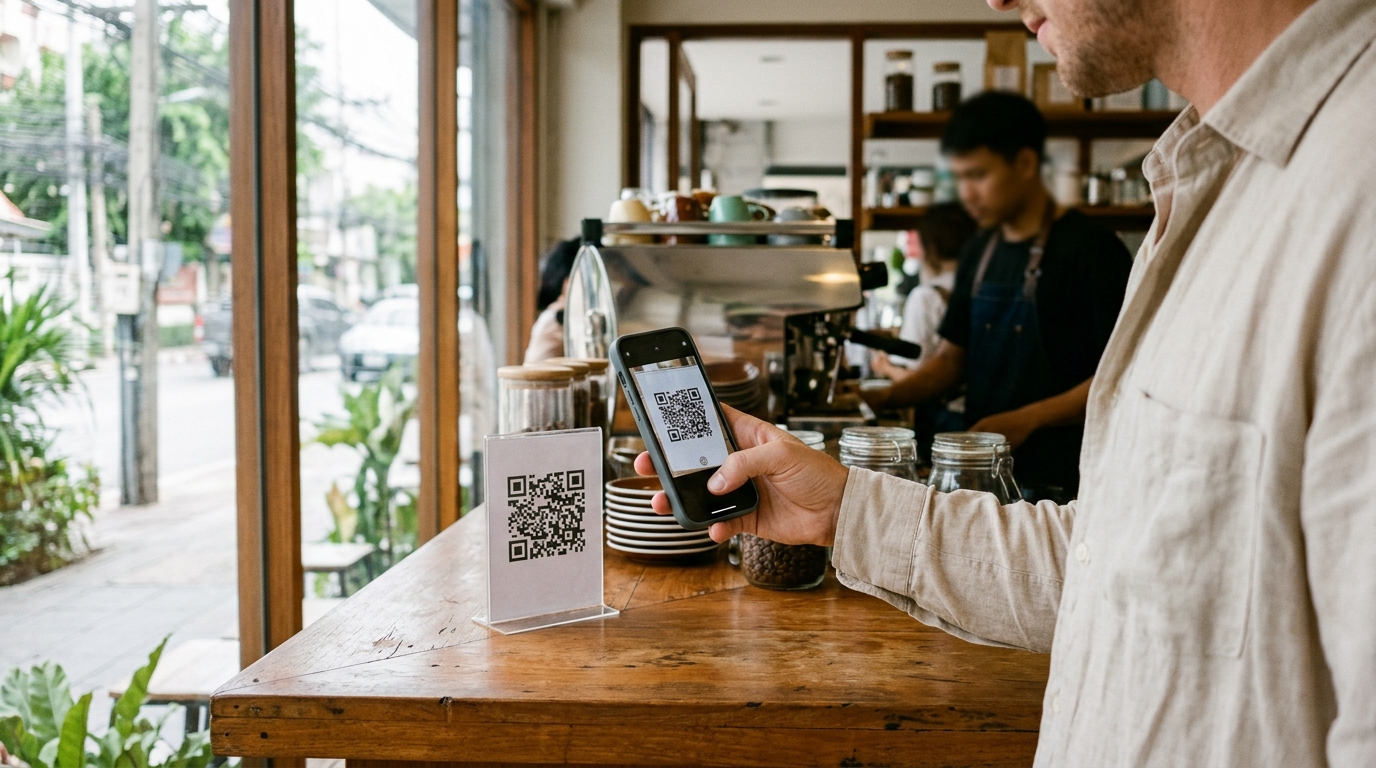
- Digital-data lending for small businesses: The Finance Ministry and the Bank of Thailand are working with commercial and state lenders to let small and medium-sized enterprises qualify for credit using verified digital sales and transaction records, easing Thailand's traditionally rigid collateral requirements.
- Faster rooftop solar and cheaper biofuels: Alongside the cabinet's 50-billion-baht Solar for the Public push targeting one million households, authorities are clearing red tape with the Metropolitan Electricity Authority (MEA), the Provincial Electricity Authority (PEA), and the Interior Ministry while moving ahead with excise tax cuts on B20 and E20 biofuels.
What This Means for Expats in Thailand
For foreign residents, remote workers, and expat business owners, the twin policy shifts point to three practical realities heading into 2027:
- Regional competitiveness holds, for now: Keeping the US tariff ceiling in line with Malaysia and Indonesia, and below the steeper rates facing Vietnam, helps protect Thailand's export base and tempers sudden shocks to the Thai baht, though currency swings remain likely until the final text is signed.
- Less retail stimulus, more structural reform: With consumer handout schemes fading out, expect slower domestic retail inflation alongside a stronger government push to attract multinational supply chains, regional hubs, and skilled foreign talent.
- Real savings for homeowners and founders: Long-stay residents who own houses or manage properties may soon find rooftop solar installations far less tangled in utility paperwork, while expat-run Thai companies with solid digital revenue streams could see smoother access to local working capital.
With negotiations in Washington stretching into the opening months of 2027, the real test will be whether Bangkok can clean up origin-enforcement loopholes fast enough to keep the 18% ceiling intact, while turning its investment-first rhetoric into faster approvals on the ground.

Comment verification
Step 1 of 3
Verify your email once to publish your comment. Your email is never shown publicly.
Enter the 6-digit code sent to .
Choose the display name shown next to your comments.