Ann Berdin: Viral Video & Apology Over Language Mix-Up in Thailand
A Tourist, a Viral Clip, and a Language Mix-Up: What Happened with Ann Berdin in Thailand When a short video clip goes viral, it can do more than rack up views — it can reshape a conversation. That’s exactly what…
A Tourist, a Viral Clip, and a Language Mix-Up: What Happened with Ann Berdin in Thailand
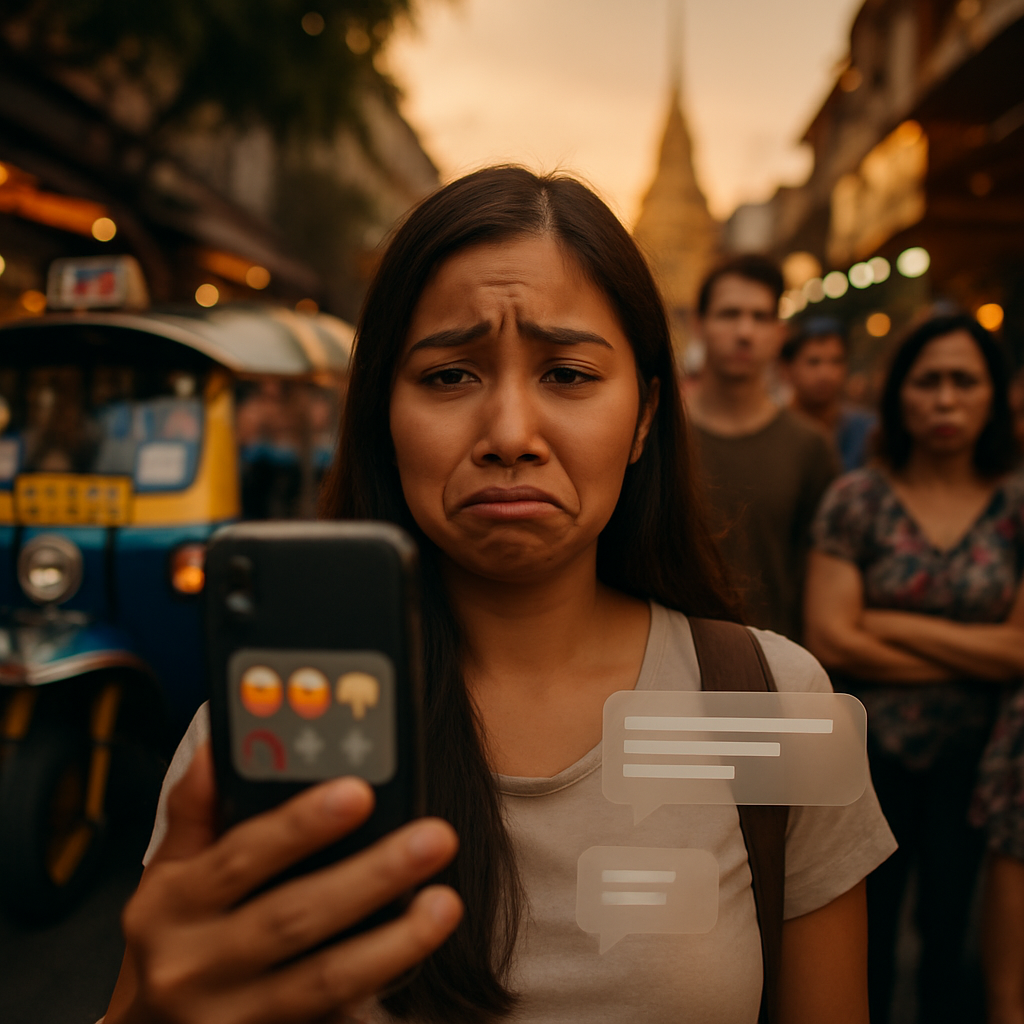
When a short video clip goes viral, it can do more than rack up views — it can reshape a conversation. That’s exactly what happened to Filipina tourist Ann Berdin, who found herself at the center of an online firestorm after a now-deleted clip in which she complained that “English is useless” in Thailand. What began as a frustrated travel rant turned into a lesson about tone, context, and the sticky business of cross-cultural communication.
The Original Clip: Frustration, Not Malice (or So She Says)
In the original video, Berdin voiced annoyance that many locals — including Grab drivers — didn’t seem to understand English, a problem she said made navigating Thailand “difficult.” The clip quickly spread across social media, attracting criticism from Thai netizens and comments from public figures, including popular Thai influencer Crispy Froid, who urged travelers to practice cultural sensitivity and respect.
Within hours, the internet had formed its verdict: some saw a weary traveler airing a genuine gripe; others saw arrogance and mockery. Regardless of intention, the wording and tone sparked backlash.
The Apology: Clarifying Intent and Choosing Words
On January 13, Berdin returned to Facebook with a follow-up video to clear the air. She said she never meant to insult Thailand or its people, insisting her original post was an honest recounting of the language barriers she experienced, not a condemnation of an entire country.
“I didn’t mean anything hateful about Thailand,” she said. “When I said I needed a translator, I wasn’t trying to mock anyone.”
She admitted her English isn’t flawless and that she may have chosen the wrong words. “I was just explaining what my experience is,” she said, adding that she uses translation apps herself and has friends who also struggle with English. Toward the end of the clip she apologized for any offense caused: “If you see it and you find it not good, I’m gonna say I’m sorry. Wrong words.”
Mixed Reactions: Sympathy, Scolding, and Everything In Between
Predictably, responses to Berdin’s apology were mixed. A portion of viewers urged more cultural humility from travelers, reminding her — and everyone watching — that when you travel internationally, you don’t just represent yourself; you represent your home country.
Other commenters offered empathy: mistakes happen, especially in a second language, and people often jump to judge before asking for clarification. Still, many remained critical of her tone in the original video, arguing that the delivery came off as mocking rather than merely frustrated.
One blunt take summed up the divide: “Your feelings may be valid, but your behaviour is not acceptable.” Another more forgiving voice advised patience: “It is easy to make the wrong statement in a second language… People tend not to ask for clarification before responding negatively.”
Why This Matters: Travel, Language, and Respect
This episode is a small but instructive reminder of how travel can highlight the gap between intent and impact. A traveler’s struggle to communicate is real — lost directions, mixed-up orders, and a baffling app interface are part of the experience — but how you describe that struggle matters.
Some quick takeaways:
- Tone over content: The same complaint can be heard as a plea for help or an insult depending on tone and phrasing.
- Language is local: English is widely used in many tourist areas, but it’s not universal. A little effort to learn basic phrases goes a long way.
- Tools help, but don’t replace respect: Translation apps are fantastic — and Berdin herself uses them — but relying solely on tech can’t substitute for politeness and patience.
- Travelers represent more than themselves: Public posts can reflect on your country and community, especially when they go viral.
Not an Isolated Case
The Berdin incident isn’t unique. Social media has seen other episodes where tourists’ remarks about locals ignite backlash — like the recent video of an Italian man criticizing a Thai taxi driver for eating from a plastic bag. Each instance stokes the same debate: How should visitors air grievances without crossing a line?
Parting Thought: How to Travel Better
If there’s a silver lining, it’s that controversies like this spark conversations about cultural sensitivity. Want to avoid a similar scenario? Try learning a few local phrases, smile more than you sigh, and choose your words with curiosity rather than judgment. When language barriers frustrate you, framing your story with humility and humor makes it easier for listeners to empathize rather than snap back.
After all, travel is a two-way exchange. When we pack our suitcases, we should also pack patience — and perhaps a polite “khop khun ka” (thank you) — just in case.



Comment verification
Step 1 of 3
Verify your email once to publish your comment. Your email is never shown publicly.
Enter the 6-digit code sent to .
Choose the display name shown next to your comments.