Anthrax Scare: Cambodia and Laos Suspend Livestock Imports from Thailand
In a decisive move to shield themselves from potential peril, Cambodia and Laos have put a halt to the importation of livestock and related products from their neighbor, Thailand. The specter of anthrax, a dreaded…
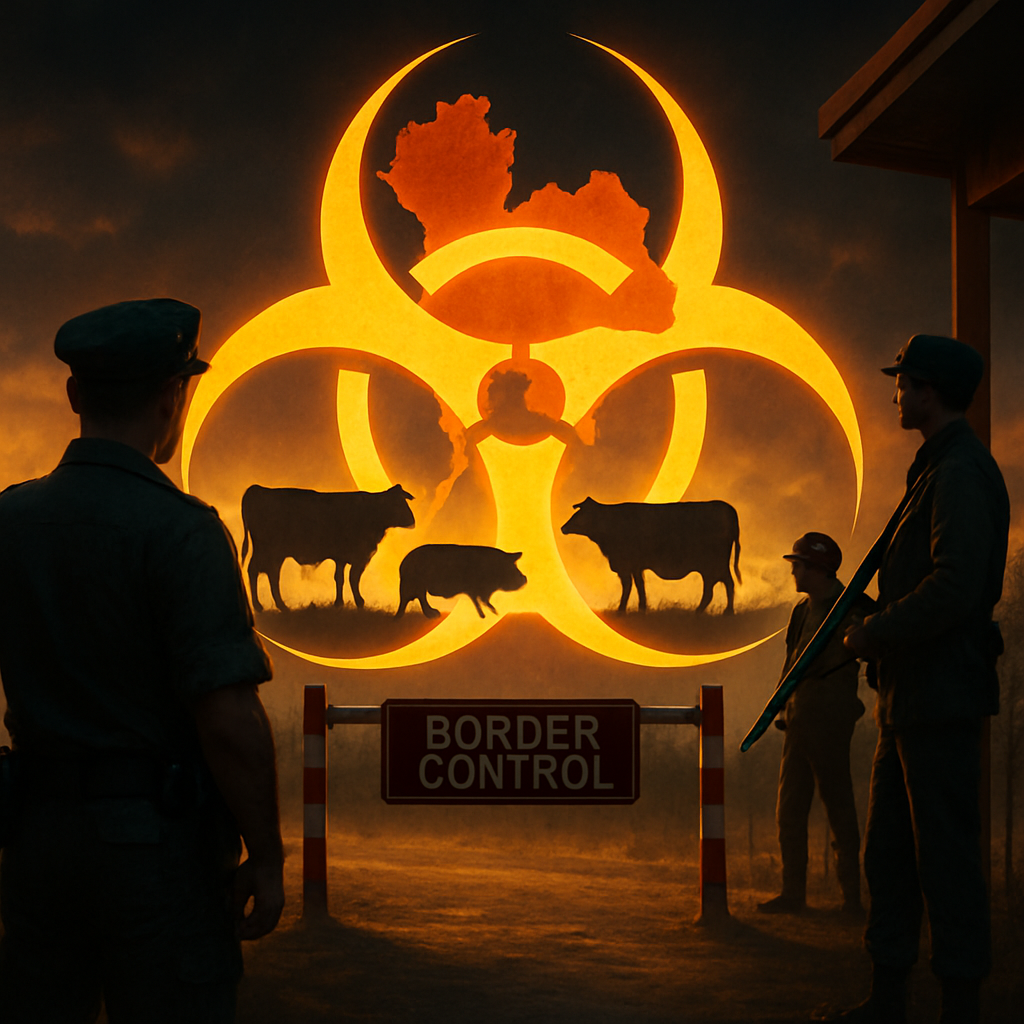
In a decisive move to shield themselves from potential peril, Cambodia and Laos have put a halt to the importation of livestock and related products from their neighbor, Thailand. The specter of anthrax, a dreaded bacterial disease, has spurred this exigent action. Issued amidst rising concerns, this temporary embargo forms part of a broader strategy to stave off a possible outbreak.
As anxiety ripples through Southeast Asia, Cambodia has taken proactive measures under the watchful gaze of its Ministry of Agriculture, Forestry, and Fisheries. Currently, the nation remains free from any cases of anthrax, but vigilance is the order of the day. By clamping down on imports from the infectious hotspot next door, Cambodia seeks to preempt any unwelcome surprises.
Officials stand sentinel at every Thai border crossing. These guardians of public health maintain a robust watch, ensuring the ban is airtight, even though the precise timeline for these restrictions remains unknown. It's a round-the-clock operation, a dance of cross-border diplomacy paired with stringent health protocols.
Taking a leaf from Cambodia's playbook, Laos has erected similar defenses. From May 5, the import of various meats—pork, beef, mutton, and horse meat—has been suspended. Vehicles arriving from Thailand cannot merely roll in; they face a mandatory disinfectant shower, a ritual cleansing designed to scrub away any trace of the pernicious bacteria.
Thailand itself finds its health system tested, with Dr. Narong Chankaew at the helm in Mukdahan Province. Here, a seven-day vigil has transpired, with 636 persons under the microscope after potential exposure to anthrax. Through a meticulous program comprising observation and preventive medication, these individuals have been allowed to return to the rhythms of regular life, hopefully chastened by their brush with danger.
The outbreak has claimed one life, with four others wrestling with its effects in hospital beds. Despite building awareness, trepidation towards consuming beef lingers. However, Dr. Narong offers a glimmer of reassurance, noting that well-cooked meat, reaching a sizzling 120°C or enduring a half-hour boil, should quash any lingering threats.
The origins of this scare trace back to a rustic yet fateful scene—a cow slaughtered in the quiet seclusion of a rubber plantation in Ban Khok Sawang. The affair, witnessed on that defining April 12, extended its morbid reach into the closing days of the month, capturing lives in its wake.
While the local scare is localized mainly to Mukdahan’s Don Tan district, the echoes of precaution resonate much further. For Cambodia and Laos, these proactive barrages against disease are as much about prevention as they are a testament to their rippling international ties and the shared reel of ecology and trade.
As for Thailand, the fight persists on multiple fronts, where Dr. Narong and his colleagues trace the pathogen's eerie dance from one ancillary tale of caution to another. Whether along bustling market lanes or within the tight-knit medical squads purged with keeping this malady at bay, the nation braces for tomorrow, vaccinated by today’s learnings.



Comment verification
Step 1 of 3
Verify your email once to publish your comment. Your email is never shown publicly.
Enter the 6-digit code sent to .
Choose the display name shown next to your comments.