Thailand

Associate Professor Tavida Kamolvej Leads Disaster Management Training in Bangkok

Yesterday, the vibrant city of Bangkok witnessed an engaging session led by Associate Professor Tavida Kamolvej, the respected Deputy Governor, who delved into the intricacies of Disaster Management with the city’s…
Associate Professor Tavida Kamolvej Leads Disaster Management Training in Bangkok

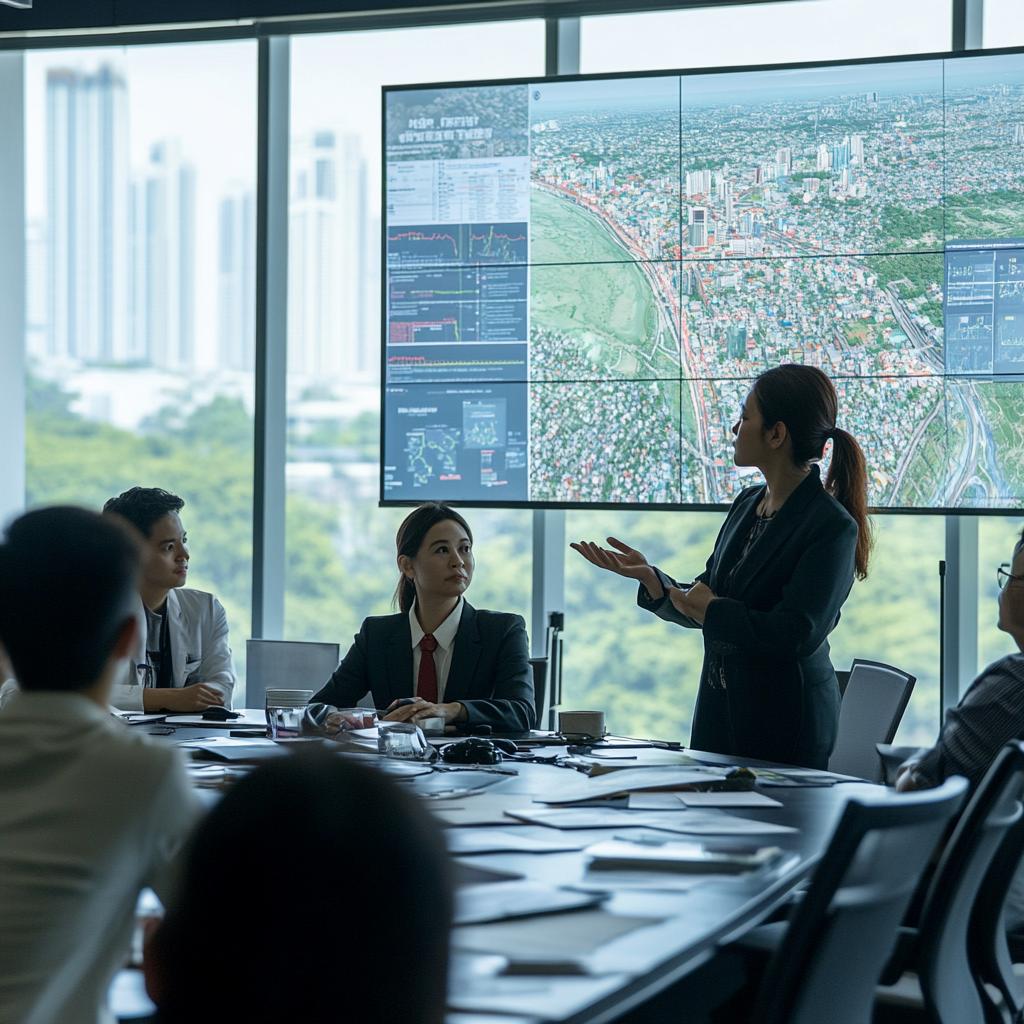
Yesterday, the vibrant city of Bangkok witnessed an engaging session led by Associate Professor Tavida Kamolvej, the respected Deputy Governor, who delved into the intricacies of Disaster Management with the city’s medical personnel. This session was a crucial part of the esteemed 14th Medical and Public Health Administration Training Programme, an initiative held at the well-known Piyaphatthan Building (Kor Sor Lor) nestled in Klang Hospital, located in the heart of the bustling Pom Prap Sattru Phai district.

The Disaster Management module isn't your average classroom lecture. This program is a powerhouse designed to bestow participants with the knowledge and operational acumen necessary for tackling disasters in a metropolis like Bangkok. With a city as dynamic as the Thai capital, understanding disaster management isn't just academic; it's essential.

A bit of a deep dive reveals that this module does more than just educate. It offers an exploration into masterminding controls and preventative measures to shield the city from potential catastrophes. It's about cultivating a proactive learning environment where managing and mitigating emergencies becomes second nature. The ultimate mission? Empower healthcare professionals to strategize and deliver life-saving medical and public health interventions to those in the throes of disaster.

This year, the Medical Department proudly hosts the 14th cadre of the Medical and Public Health Administration Training Programme (affectionately termed Bor Por Sor 14), an elite assembly of 25 seasoned BMA civil servants specialising in medical and public health, plus two diligent souls from the Health Department and three skilled external professionals, crafting a diverse and insightful group of 30 participants.

The training journey embarked on March 4th and stretches through to May 30th, 2025. It’s a whirlwind 58-day adventure packed with day trips, immersive residential programs, and enlightening study visits that whisk participants from the vibrancy of Bangkok to the serene landscapes of other provinces, and even beyond borders for an international perspective.

The raison d'être of this rigorous training extravaganza? To hone the competencies, visionary thinking, and strategic prowess of medical and public health personnel. It’s about shaping these dedicated professionals to adeptly tackle the unique contexts and challenges that dot the landscape of their work. It’s a nurturing ground for leadership, aiming to refine their abilities to manage, set strategic directions, and cultivate professional attitudes that align with modern-day demands.

But it doesn't end there. These participants will also have a golden opportunity to dive into modern technological and innovative tides in medical and public health, bolstering the healthcare service system's efficiency. Plus, there’s a glorious aim to weave a sturdy network between medical professionals within and outside the BMA, sparking fruitful collaborations that enhance healthcare delivery to the public.


26Comments
Sort by:
SLSarah Lee··1 pts · 3 replies
SL
Sarah Lee
Wow, I think it's great that they are focusing on disaster management training! Bangkok really needs this because the city has grown so dramatically.
1
TTommyG··1 pts
T
TommyG
While I agree with the need, do you really think these programs are enough? The bureaucracy often fails to adapt in real-time during disasters.
1
SLSarah Lee·1 pts
SL
Sarah Lee
That’s a fair point, but it's still a step in the right direction. We can’t improve without starting somewhere.
1
MAMichelle A.··1 pts
MA
Michelle A.
Do you know if they include climate change impact studies in these sessions? Sounds crucial for long-term planning.
1
Ggrower134··1 pts · 2 replies
G
grower134
Sounds like just another check-the-box bureaucratic event. I doubt it will make any real difference when a crisis actually hits.
1
LDLarry D··1 pts
LD
Larry D
C'mon, that's kinda cynical. At least they're trying to improve things, and maybe they'll surprise us with some effective outcomes.
1
Ggrower134··1 pts
G
grower134
Perhaps you're right, Larry. But if history is any indicator, the results will speak for themselves. Let's wait and see.
1
AMAnna M.··1 pts · 1 reply
AM
Anna M.
These trainings seem pretty intensive. I wonder how participants balance their regular duties with this schedule?
1
JBJames B··1 pts
JB
James B
I imagine it must be quite a challenge. Hopefully, the long-term benefits outweigh any temporary disruptions to their work.
1
EEcoGal··1 pts · 3 replies
E
EcoGal
Strategizing is great, but shouldn’t we also be educating locals on disaster preparedness? It's not all on the professionals!
1
DDavid86··1 pts
D
David86
Absolutely! Local communities need to be empowered and have a role in disaster management, too.
1
EEcoGal··1 pts
E
EcoGal
Exactly, David! Grassroots involvement could tremendously augment these trained professionals.
1
SLSarah Lee··1 pts
SL
Sarah Lee
Great point, EcoGal! Hopefully, this program will inspire such community initiatives as well.
1
KKevin··1 pts · 2 replies
K
Kevin
I'm curious if similar programs exist in other major cities. It could lead to valuable international cooperative strategies.
1
RPRiya Patel··1 pts
RP
Riya Patel
Many cities have comparable programs, but the implementation and involvement levels can vary widely.
1
Ggrower134··1 pts
G
grower134
International cooperation sounds nice, but let's see if these guys can handle things locally first.
1
PZPatricia Z.··1 pts
PZ
Patricia Z.
Amazing how they're blending education with practical experiences through day trips and residential programs. Truly comprehensive.
1
MHMatt H.··1 pts · 1 reply
MH
Matt H.
This 58-day program seems intense. Hopefully, it doesn't become too grueling and participants actually benefit from it.
1
AMAnna M.··1 pts
AM
Anna M.
True, Matt. The mix with international perspectives sounds promising and might add some excitement to the grind.
1
NNina1987··1 pts
N
Nina1987
I think training should also include mental health strategies during disasters. Stressed medical staff can’t help others efficiently.
1
LDLarry D··1 pts
LD
Larry D
Can't help but wonder why they didn't incorporate tech innovations like AI earlier. It's 2023, after all!
1
RRaymond··1 pts · 1 reply
R
Raymond
How does one even get into such a program? Seems pretty exclusive.
1
PZPatricia Z.··1 pts
PZ
Patricia Z.
It's likely reserved for high-level civil servants and select professionals from related fields.
1
CWCynthia W··1 pts
CW
Cynthia W
I hope real collaboration emerges from this between different health sectors and beyond. That's often where the magic happens!
1
TTommyG··1 pts
T
TommyG
With Bangkok's unique challenges, such a tailored program makes sense. But ongoing evaluation is necessary to refine the approach.
1
SLSarah Lee··1 pts
SL
Sarah Lee
At the end of the day, these kinds of initiatives can only do so much. Ultimately, adaptation in live situations will be the real test.
1
