Assumption University Tragedy: Urgent Calls for Accountability After Student's Fatal Accident
In the heart of Bangkok, a tragedy unfolded that has left the vibrant halls of Assumption University cloaked in a somber shadow. It happened on a seemingly typical day, November 18, last year. The city, with its…
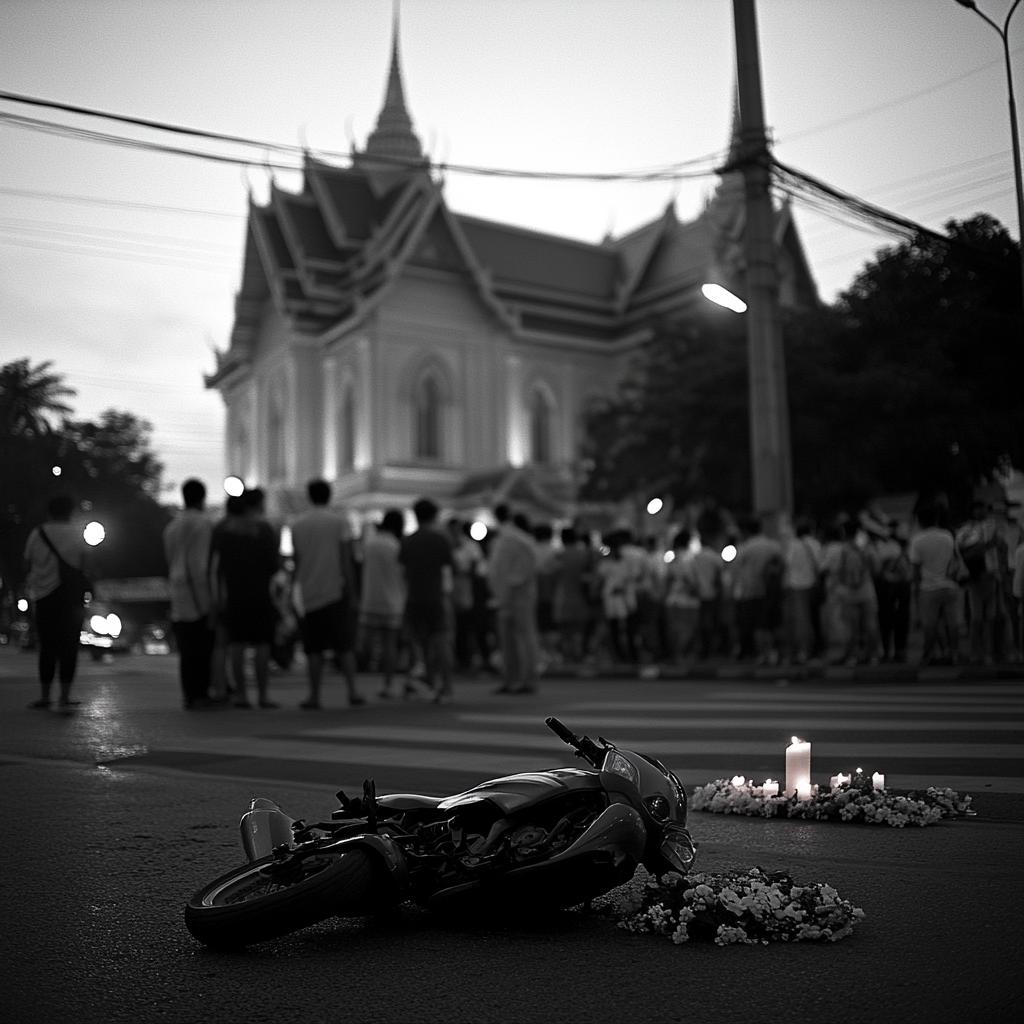
In the heart of Bangkok, a tragedy unfolded that has left the vibrant halls of Assumption University cloaked in a somber shadow. It happened on a seemingly typical day, November 18, last year. The city, with its bustling streets and perpetual hum of life, bore witness to a heartbreaking incident involving the loss of a young Myanmar student due to a motorbike accident. The clock ticked on, but for this student's family, time might have well frozen at that moment of loss.
The accident wasn’t just tragic—it was preventable, say critics. It happened when the victim and his 17-year-old cousin were on their way to the university, joy of youth in their hearts, probably discussing classes or which street food they might grab later. Then calamity struck—a 40-year-old driver executed an illegal U-turn over a solid line. In an instant, avoidance was impossible, and the night lit up with the crash's harsh symphony.
Following the collision, the university’s emergency response, or the lack thereof, raised tumultuous waves of accusations. Key pieces of evidence, such as the university’s CCTV footage and the involved car’s black box data, were nowhere to be found—like a detective story with crucial chapters torn out.
The family speaks of a nightmare compounded by acute negligence. Faced with an emergency, the campus’s ambulance sat immobile, a flat tire rendering it a monument to inefficiency while the student lay bleeding under the sun’s harsh glare. There he remained for almost an hour, colors fading with each tick of the clock. Friends, faces etched with fear, defied instructions against moving him, ultimately lifting him into an overdue ambulance. The specters of bureaucratic delay manifested again—a devastating moment preserved in their collective memory, branded with tea-hot asphalt and helplessness.
As hope dimmed, the student was brought to Ruamchai Pracharug Hospital, only to confront another hurdle. Instead of immediate medical intervention, care was allegedly withheld pending passport identification—a jarring reminder that red tape can bind even in life-threatening moments. When surgery to address his severe brain injuries commenced, his survival chances had dwindled to a mere glimmer.
In the aftermath, mourning gave way to indignation. The hospital demanded 200,000 baht to release the body—a sum that, in grief's currency, weighed heavier than gold. Supporting the funeral, posthumous pledges turned paltry. The university's token contribution? A meager 20,000 baht. Whispered coercions followed pressures promising silence—encouraging the family away from legal recourse.
Resolute, the student's family has stepped forward to confront both the driver and the institution in court. Fueling their cause, support blazes across social media forums. Public focus narrows on Assumption University's emergency protocols, as voices amplify, seeking accountability and reform.
In a bid to reclaim some ethical high ground, Assumption University issued an official statement on March 14, offering condolences and the promise of relief by waiving tuition fees for the deceased’s younger brother for the first 2025 semester. It acknowledges the cracks in its emergency response fabric and commits to stitching those seams with better systems. Yet, whether this pledge suffices lies in an uncertain future, watched closely by students, protesters, and advocates for educational responsibility.
The loss of life, the series of missteps, and the struggle for justice whisper tales of sorrow deep into the city. They're echoes in the fabric of Bangkok—a tragedy reminding us all of the fragility of life and the pressing need for institutions to champion swift, effective response mechanisms. With public scrutiny as keen as a hawk, this sad chapter at Assumption University remains open, etched in collective memory, urging systemic change. Our hopes rest with the living that such a loss may never recur.



Comment verification
Step 1 of 3
Verify your email once to publish your comment. Your email is never shown publicly.
Enter the 6-digit code sent to .
Choose the display name shown next to your comments.