Bangkok Building Collapse Leads to T-Steel Ban: City Adopts Stricter Safety Measures
On a seemingly average March day, a significant tremor left parts of Bangkok reeling, etching an indelible mark on the infrastructure and sparking a riveting saga of steel, safety, and scrutiny. Emerging from the…
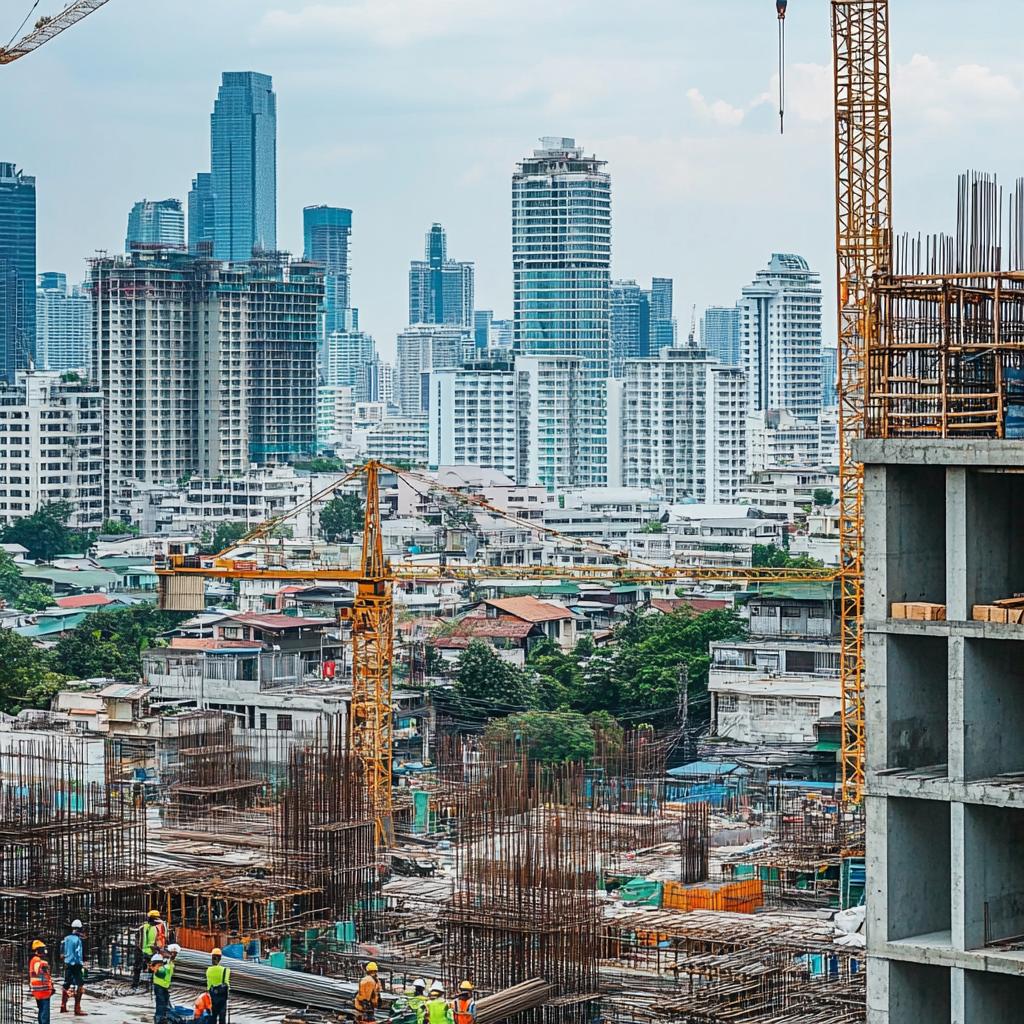
On a seemingly average March day, a significant tremor left parts of Bangkok reeling, etching an indelible mark on the infrastructure and sparking a riveting saga of steel, safety, and scrutiny. Emerging from the aftermath was a pile of dismantled steel bars, telltale relics of the State Audit Office building's abrupt demise, spotlighting substandard steel produced by none other than Xin Ke Yuan Steel Co.
Battered by seismic waves, the structure in Chatuchak district crumbled, thrusting the Bangkok Metropolitan Administration (BMA) into a whirlwind of investigations and directives. Heat-treated steel, often called "T-steel," became the focal point of the inquiry. The BMA, taking proactive strides, decided to banish the use of this material in future high-rise construction projects, pending a rigorous round of quality inspections.
An April 9th memo, whispering through the halls of the Public Works Department like a vigilant overseer, laid down the law: any steel born from induction furnaces, specifically the heat-treated kind, was not to grace new pillars of the city's skyline. The watchdogs barked orders for existing uses of such steel to be meticulously documented and reported. Thorough checks and contingency plans danced on the department's agenda, ensuring Bangkok's edifices would stand firm in the face of tomorrow's unpredictable challenges.
Meanwhile, trailing the breadcrumbs of evidence, Pol Col Thitipong Piwatwutthikul from the Metropolitan Police Division 2 took center stage in the investigation. A flurry of forensic testing unfolded, with institutions like King Mongkut's Institute of Technology and the Iron and Steel Institute of Thailand diving into the material matrix to unearth answers. Partial results bubbled to the surface, pieces of a puzzle slowly assembling under the investigative lens, all while ensuring that rescue operations remained unimpeded.
In a move dripping with empathy and administrative efficiency, Interior Minister Anutin Charnvirakul assured that the Comptroller General's Department green-lit an increase in funeral aid, valuing lives lost at 100,000 baht each, five times the previous amount. An emergency fund of 200 million baht promised to lubricate the gears of recovery in the quake's wake.
Elsewhere in the corridors of power, the Board of Investment, not one to stand on ceremony, executed a swift retraction of incentives for the fault-stalking Chinese steelmaker. An adroit decision under the chairmanship of Deputy Prime Minister Pichai Chunhavajira, it was a symbolic message—investment privileges for Xin Ke Yuan Steel Co would be on ice, indefinitely.
This narrative—a medley of policy, science, and humanity—illustrates a city's resolve to rise above rubble and recalibrate its future architecture with resilience at its core. Beyond the headlines and public decrees, these events paint a vivid story of vigilance, responding with unprecedented measures to safeguard Bangkok's structures against the whims of nature. As dust settles, the lessons learned today are woven into the blueprints of tomorrow, narrating a future where safety isn't merely a priority but a promise.



Comment verification
Step 1 of 3
Verify your email once to publish your comment. Your email is never shown publicly.
Enter the 6-digit code sent to .
Choose the display name shown next to your comments.