Bangkok Casino Bill Controversy: Political Standstill and Future Implications
White-clad demonstrators took to the streets of Bangkok on March 9, their unified opposition to the controversial casino-entertainment complex bill as stark as their attire. These protestors are just one of many hurdles…
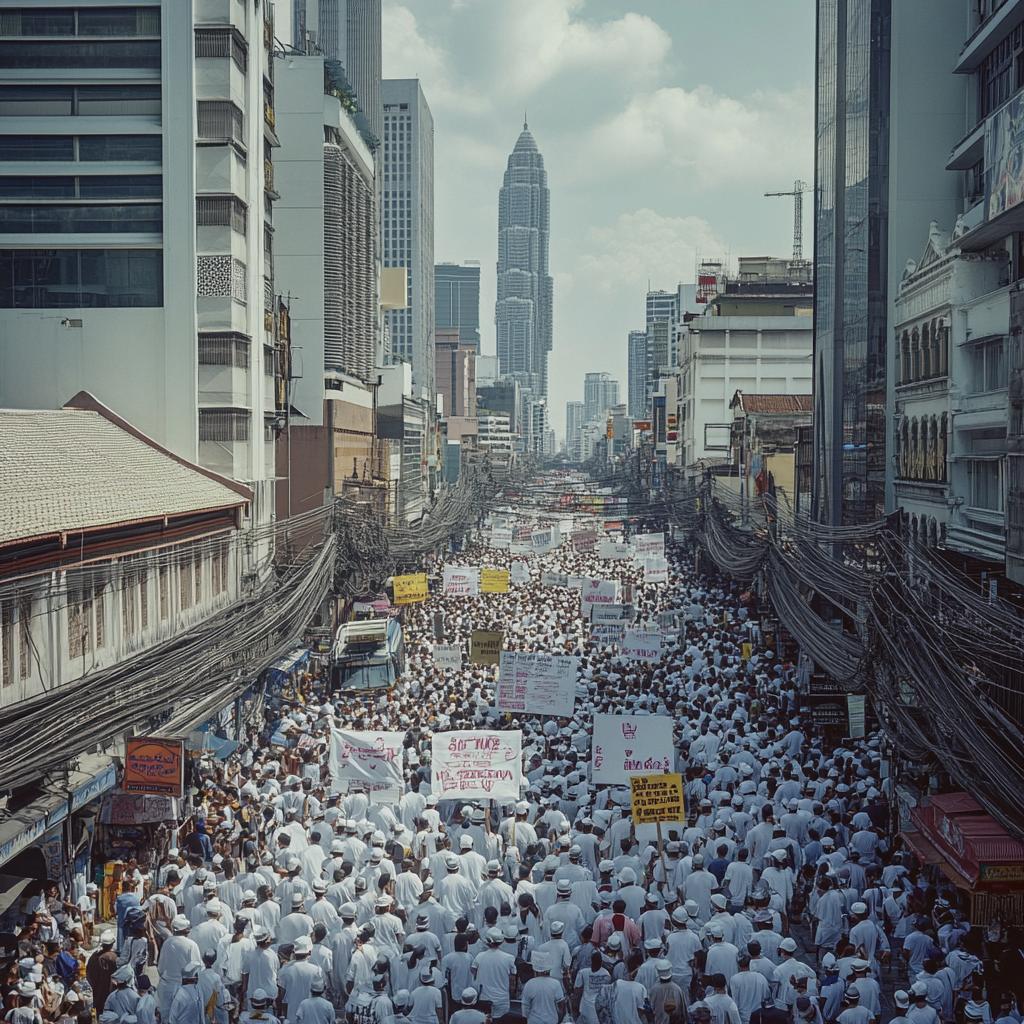
White-clad demonstrators took to the streets of Bangkok on March 9, their unified opposition to the controversial casino-entertainment complex bill as stark as their attire. These protestors are just one of many hurdles the Pheu Thai-led government must leap if it hopes to push this contentious legislation through parliament. But recent developments suggest that hurdle-jumping may be on hold, at least for now.
In a political shuffle worthy of a casino card trick, the government decided to delay discussions of the bill until the next parliamentary session, kicking off on July 2. The decision comes after formidable resistance from various sectors, with opposition members and even some within the coalition government expressing concerns. Chaichanok Chidchob, Bhumjaithai Party’s secretary-general, took a stand against the bill, sparking whispers of internal strife that Interior Minister Anutin Charnvirakul—also a deputy prime minister—downplayed with the finesse of a seasoned politician dealing a new hand.
Though tensions are visible, Anutin insisted that his dialogues with Newin Chidchob, the party's founder and Chaichanok's father, assure him that it's smooth sailing—not troubled waters—for the coalition. Nonetheless, whispers suggest that certain senators linked to the so-called "blue" party, none other than Bhumjaithai itself, remain unsupportive.
The stakes are high, with external critics ready to rally and threaten Pheu Thai’s electoral fortune in a future election if this gamble proceeds. What’s envisioned as a jackpot for the economy could, ironically, trigger a political bust for Pheu Thai.
Bhumjaithai’s fan base clusters in Buri Ram, and many Senate members allegedly share ties there, suggesting this bill’s path through the legislative maze may not be as straightforward as drawing an ace from a shuffled deck. Originally, the bill was set to hit the House lingo on April 9, but the government's attempts to blitz it through faced prickly pushback.
Critics spotlight the glaring lack of a comprehensive study, arguing ethical codes might be on the line if the government keeps pressing. But Prime Minister Paetongtarn Shinawatra, steadfastly clutching Pheu Thai the way a gambler hugs a hot pair of dice, assures that the bill isn't dead. It'll keep collecting public feedback and clearly communicate its intentions—a strategy akin to laying cards face-up in Vegas.
A Senate committee, armed with pens instead of poker chips, has been tasked with a 180-day study. Meanwhile, dissenters demand an outright bill fold, not a mere table shuffle. Stithorn Thananithichot, director at King Prajadhipok’s Institute, argues the real winner may come from a public referendum, wagering the people’s voice is the ultimate truth in a democratic gamble.
Stithorn suggests the continual bill teetering is a house waiting for collapse unless the public draws the deck with a vote. "Push for a referendum," he proposes, "because the odds might favor lasting legislation." Without one, he believes this project won't see the light of day during the current governmental term.
But cards are often reshuffled, and Stithorn warns that vested interests won't easily fold. Historical precedents show bills geared towards solving economic woes often rise from their proverbial ashes, even if this one is temporarily sent to the discard pile.
Meanwhile, former Democrat MP Thepthai Senpong sees calculus where others see chaos. Pheu Thai, according to Thepthai, needs to test the water with their coalition partners when parliament resumes. If allies stray, withdrawal might become inevitable—repackaged to appear a move of acumen, driven by public discourse.
Far-reaching opposition extends beyond political lines. Groups typically apolitical have joined this chorus, ranging from academic bodies to educational councils citing moral turpitude concerns, convinced the bill risks unraveling societal ethics. The Catholic Education Council of Thailand shares these sentiments, arguing that legalized gambling merely dresses a grim reaper in party attire.
Despite the cascading cacophony of objections, Olarn Thinbangtieo, a political science lecturer, bets on a different outcome. He envisions the bill eventually strolling through parliament like a confident gambler on a winning streak. Pheu Thai, with savvy leverage and nifty negotiations, might just pull it off. They’re balancing this deck amidst opposition, holding steadfastly to ensure the coalition stands until the governmental term folds.
Even if the casino bid causes early political bankruptcy, Pheu Thai’s well-furnished hand—smattered with voter-friendly pledges—guarantees another run at fortune in the next electoral cycle. It’s a game of strategy, after all; and in politics, much like at the poker table, it's often not the cards dealt, but how they're played that determines the winner.



Comment verification
Step 1 of 3
Verify your email once to publish your comment. Your email is never shown publicly.
Enter the 6-digit code sent to .
Choose the display name shown next to your comments.