Bangkok Factory Fire Sparks Environmental Crisis: Massive Plastic Blaze in Lat Krabang
In the electric hustle of Bangkok, where life and chaos dance to the same tune, a fire played its discordant note at a factory harboring a whopping 300 tonnes of plastic pellets. The resulting plume of pollution wasn't…
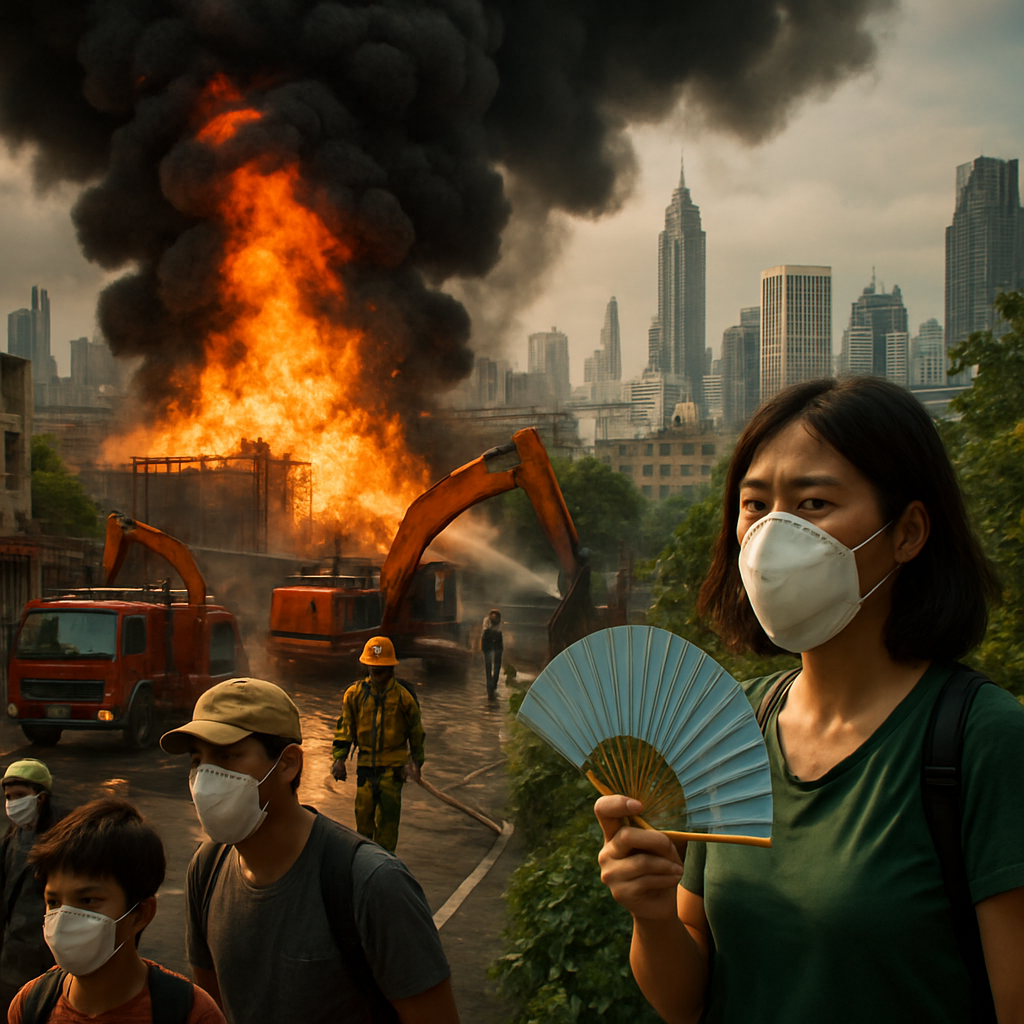
In the electric hustle of Bangkok, where life and chaos dance to the same tune, a fire played its discordant note at a factory harboring a whopping 300 tonnes of plastic pellets. The resulting plume of pollution wasn't just metaphorical smoke and mirrors; it was a tangible threat. Authorities scrambled, evacuating residents within a 300-meter radius, advising them to swap their air conditioning for fans to keep that noxious air at bay.
As the clock ticked past 1:30 PM on May 12, the atmosphere at the incident command centre, set up at Lam Pa Ong School, was tense yet hopeful. Doctor Wantanee Wattana, Bangkok’s permanent secretary, addressed the gathering with an update. It wasn’t good news. The fire at Chalong Krung 55 in Lat Krabang was still raging. The factory owner, a Thai national, had come forward with what information they could muster. Inside the seething warehouse, 300 tonnes of plastic were found - not in neat stacks but smouldering, nearly obliterated by flames.
The operation was nothing short of a battlefield strategy meeting. Tiny but insidious flames licked stubbornly at the ruins, nestled beneath the third building's structure. The firefighting team, armed with heavy machinery, relentlessly broke through stubborn walls, creating crucial openings for their hoses to douse the defiant blaze. Quick intervention was crucial; rain was forecasted, and a downpour could resurrect more than extinguish, spreading toxins far and wide.
In the midst of this powder keg situation, the factory's legal standings became a question mark, prompting a separate investigation. The owner, confirmed to be local, was the grizzled face meeting officials, every wrinkle a testament to a lifetime spent navigating Bangkok’s industrial labyrinths.
Meanwhile, air quality reports painted a grim picture. Levels of PM2.5 soared above safety limits, enveloped in billowing black smoke rich with poisons like carbon monoxide and formaldehyde. The sinister mist threatened to linger for up to a week, turning fresh air into a precious commodity within a 300-metre radius.
The response was swift: residents were not only evacuated but rehomed, moved to shelters 7 kilometers away at Wat Sutthaphot and Wat Plook Sattha School. The directive was clear - air conditioning was off the table; fans were now the best defense. Venturing outside without an N95 mask was not just discouraged but deemed reckless.
With such a cocktail of pollutants, symptoms like dizziness, eye irritation, and skin discomfort were more predictable than a Bangkok traffic jam. Authorities urged soap and water as the first line of defense, according to KhaoSod’s reports, a small relief for skin under toxic siege.
This fiery incident leads the latest Bangkok news, overshadowing the array of stories from around Thailand, each an echo of survival in a world that keeps turning. From the murder of a vulnerable soul by a desperate taxi driver to the tragic drowning of an Aussie in Phuket’s inviting yet treacherous waves, the city beats on, its tales interwoven with the acrid air of Lat Krabang.
In a city defined by both its triumphs and its trials, this fire is a scar on the urban sprawl, a sobering reminder of the balance between human ambition and respect for the natural world. It is a story of smoke and mirrors, where Bangkok’s output isn't just economic, but environmental too.



Comment verification
Step 1 of 3
Verify your email once to publish your comment. Your email is never shown publicly.
Enter the 6-digit code sent to .
Choose the display name shown next to your comments.