Bangkok SKYY9 Building Controversy: Unraveling the Politics and Finance Behind SSO's Costly Acquisition
In the bustling metropolis of Bangkok, a complex web of politics, finance, and real estate transactions has drawn public attention. At the heart of this intrigue is an alleged over-expenditure by the Social Security…
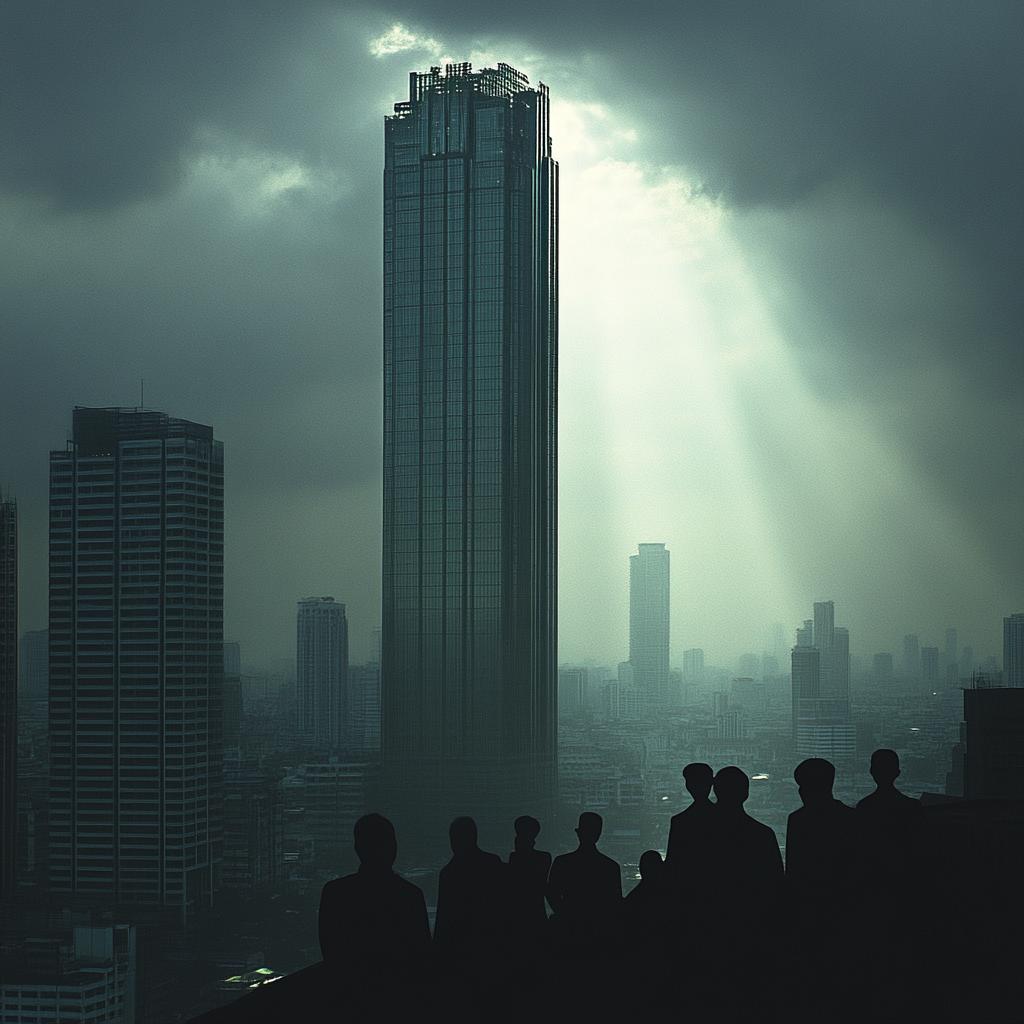
In the bustling metropolis of Bangkok, a complex web of politics, finance, and real estate transactions has drawn public attention. At the heart of this intrigue is an alleged over-expenditure by the Social Security Office (SSO) in purchasing the SKYY9 Centre on Rama IX Road. The hefty price tag of 7 billion baht has raised eyebrows, especially when juxtaposed with claims that the building's appraisal value was significantly lower, at a mere 3 billion baht.
Labour Minister Phiphat Ratchakitprakarn has publicly expressed a willingness to cooperate with an inquiry panel aiming to unravel this intricate case. "We are prepared to open the books on the SKYY9 acquisition," he assured, emphasizing the desire for full transparency. It's worth noting that prior to this scrutiny, independent entities were reportedly engaged to assess the building's value, suggesting meticulous groundwork before the purchase.
The inquiry, spearheaded by Interior Minister Anutin Charnvirakul at Prime Minister Paetongtarn Shinawatra's behest, has spotlighted key figures in the Labour Ministry. Remarkably, the audit includes none other than the current permanent secretary for labour, who, intriguingly enough, held the role of secretary-general in the SSO during the SKYY9 transaction.
Minister Anutin, doubling as a deputy prime minister overseeing the Labour Ministry, explained the nuanced hierarchy involved in ensuring a thorough investigation. A point of contention is the role of Boonsong Thapchaiyut, the man who once orchestrated the SSO's dealings and is now scrutinized under the glare of probing eyes. As anticipation builds, Boonsong has opted for discretion, remaining tight-lipped amid intensifying speculation.
Further complicating the narrative, Deputy Commerce Minister Suchart Chomklin finds himself tangled in accusations from People's Party MP Rukchanok Srinork. Deflecting allegations of involvement in the SKYY9 purchase's inflated costs, Suchart firmly denounces what he describes as politically motivated smears, veiled in rhetoric rather than evidence. His defense recalls his tenure as labour minister when the purchase transpired, adding another layer to an already multifaceted saga.
The saga grows more intricate through the financial nuances unearthed by MPs like Sahassawat Kumkong and Rukchanok Srinork. With bold claims of the SSO acquiring the building via a Private Equity Trust—a structure under the watchful eye of the Securities and Exchange Commission—the transaction was far from straightforward. The estimations, pegging the building's worth between 7.3 and 8 billion baht, depend remarkably on the method employed, with income and cost approaches yielding different figures.
Yet history gives context to the building's tumultuous journey. SKYY9, a relic of the 1997 "Tom Yam Kung" financial tempest, remained vacant for years, rebounding through ownerships, renovations, and rebrandings. From its beginnings as an uncompleted project to its latest iteration, the building's valuation has been a rollercoaster, aligning with broader economic currents and market sentiments.
The SSO's substantial investment, amounting to 6.9 billion baht, joins a dramatic timeline reflecting broader market dynamics. The once-abandoned tower, now a symbol of controversy, slowly fills with tenants, regaining vibrancy with current rental rates marked at 600 baht per square meter.
As the multifaceted inquiry progresses, many await the revelation of truths that could reshape public perceptions on governmental financial prudence and transparency. For now, the building stands as both a gleaming edifice and a stark reminder of the complex interplay between strategy, politics, and fiscal responsibility, casting long shadows over the bustling Bangkok skyline.



Comment verification
Step 1 of 3
Verify your email once to publish your comment. Your email is never shown publicly.
Enter the 6-digit code sent to .
Choose the display name shown next to your comments.