Bangkok to Nong Khai High-Speed Rail: Veerath Amrapal's Vision for Thai Transportation Revolution
The anticipation is palpable as the State Railway of Thailand (SRT) gears up to kickstart the bidding process for a state-of-the-art high-speed railway linking the bustling metropolis of Bangkok with the serene town of…
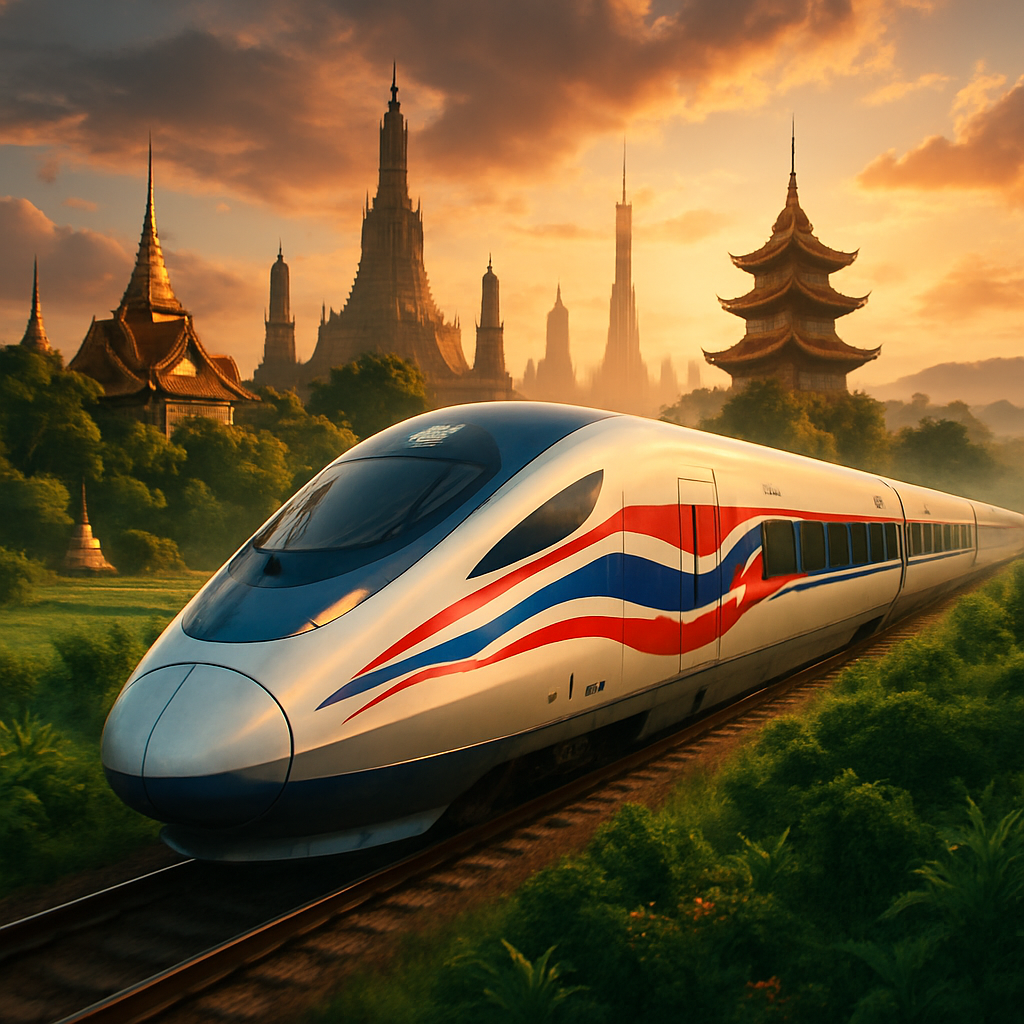
The anticipation is palpable as the State Railway of Thailand (SRT) gears up to kickstart the bidding process for a state-of-the-art high-speed railway linking the bustling metropolis of Bangkok with the serene town of Nong Khai. Scheduled for the third quarter of 2026, this ambitious project promises to be nothing short of a revolution in Thai transportation.
Spearheading this groundbreaking initiative is SRT's chief, Veerath Amrapal. At a recent public consultation meeting, he unveiled the meticulously crafted study, review, and analysis of the project's bidding documents. In what has been a collaborative effort between Thailand and China, this project is set to align seamlessly with the 2019 Act on Public-Private Partnership (PPP), marking a significant leap in cross-border infrastructural cooperation.
Veerath's enthusiasm was infectious as he highlighted the paramount importance of these discussions. "This seminar is vital," he asserted, "for gathering invaluable insights from every sector to ensure that our project meets the dynamic needs of both the public and the business community." His vision is clear—modernizing Thailand’s infrastructure for sustainable growth that resonates across generations.
One of the defining aspects of this project is its innovative PPP model. This approach lays open the doors for private sector involvement, allowing them to add their expertise in system installation, management, and maintenance along the busy route from Bangkok to Nong Khai. The goal is to enhance safety, punctuality, and the overall passenger experience. Veerath is optimistic, predicting robust participation from both Thai and international firms eager to stake their claim in this venture.
As it stands, two to three Thai companies have emerged as front-runners, meeting the critical criterion of experience in managing rail systems. Meanwhile, international firms are exploring partnership prospects with local companies, with Chinese investors showing a keen interest, spurred by the promise of a direct railway connection to China.
But this is just the beginning. Veerath announced that following this public consultation, a private sector consultation will take place in October 2025. The feedback obtained will be pivotal in shaping the final investment model, which will then be presented to the Ministry of Transport by December 2025. Come the first quarter of 2026, the proposal will make its way to the Cabinet for the much-anticipated approval, with the finalization of bidding documents slated for the second quarter. The wheels are set in motion to commence bidding by the third quarter of 2026.
The vision is vast, but the eyes are firmly fixed on the prize—the successful operation of the Thai-Chinese high-speed rail by 2029. Currently, at 45.65% completion, the civil works are making headway. As the project unfolds, the private partner will take the reins on managing and maintaining the first phase from Bangkok to Nakhon Ratchasima, including comprehensive project management and maintenance.
The Thai government, not one to be left behind, has proactively invested in installing state-of-the-art systems and procuring cutting-edge train sets featuring Fuxing Hao CR300AF technology from China, ensuring readiness for immediate operation once a competent private partner is onboard.
As the second phase stretches the railway from Nakhon Ratchasima to Nong Khai, excitement builds. With its design complete and environmental impact assessment (EIA) approval in the bag, thanks to the National Environment Board, the stage is set for progress. The Cabinet has given its nod, and preparations for bidding documents are in full swing. The civil works bidding for this phase carries a hefty valuation of 340 billion baht (approximately US$10 million) and involves seven extensive civil contracts and a singular maintenance centre contract, with completion aimed for 2031.
Upon completion, this high-speed railway will offer an exhilarating journey from Krung Thep Aphiwat Central Station to Nong Khai Station in approximately three and a half hours, a significant stride towards placing Thailand’s transportation system on the pedestal of international standards. As the countdown to 2029 continues, anticipation and excitement run high among stakeholders and citizens alike, setting the stage for a historic transformation in Thailand’s rail transportation landscape.



Comment verification
Step 1 of 3
Verify your email once to publish your comment. Your email is never shown publicly.
Enter the 6-digit code sent to .
Choose the display name shown next to your comments.