Bangkok's Grease Trap Initiative: Governor Chadchart Sittipunt's Vision for a Cleaner City
In the bustling heart of Bangkok, where the fusion of street food aromas tantalizes every visitor's senses, a concerted effort is underway to tackle the city’s drainage woes. The Bangkok Metropolitan Administration…
In the bustling heart of Bangkok, where the fusion of street food aromas tantalizes every visitor's senses, a concerted effort is underway to tackle the city’s drainage woes. The Bangkok Metropolitan Administration (BMA) has set its sights on an ambitious new initiative, calling on the city's vast network of eateries to lend a hand in the battle against clogged sewers.
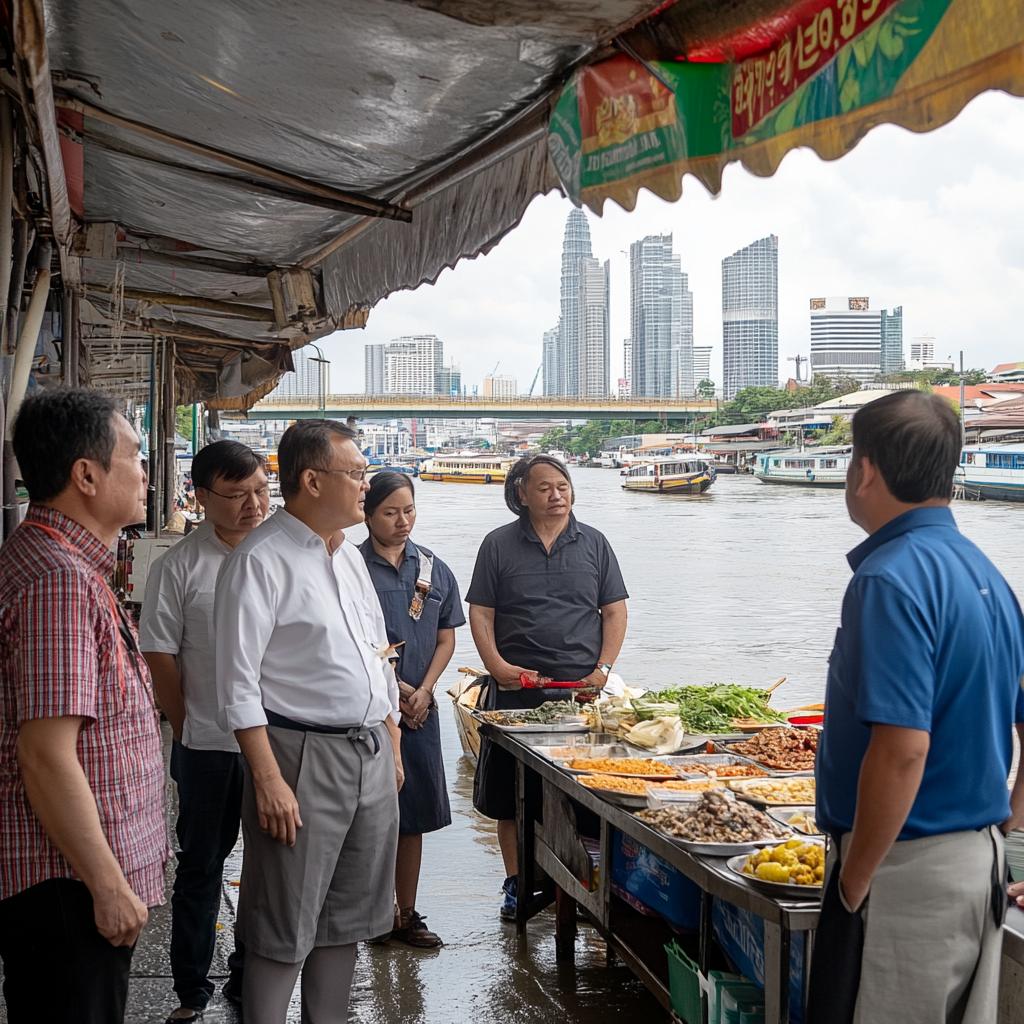
On an otherwise ordinary Wednesday, Bangkok Governor Chadchart Sittipunt rolled up his sleeves and ventured into the spirited chaos of Talat Phlu Market in Thon Buri. This market, renowned for its vibrant street food scene, became the backdrop for the governor's crusade against drainage inefficiency as he keenly inspected the ongoing sewer cleaning efforts.
Governor Chadchart finds himself at the helm of a city housing about 20,000 licensed eateries, each an indispensable part of Bangkok’s culinary identity. Yet, with great flavor comes great responsibility, and the governor called upon these gastronomic entities to install grease traps. These devices are seen as pivotal in ensuring that waste, particularly fats and oils from cooking, are managed properly before the onset of the monsoon rains.
The edict is clear: eateries, whether posh bistros or humble street stalls, must comply with the new regulations within three months. This window, though brief, is a necessity in the face of a looming rainy season that threatens to submerge the city under the weight of unchecked drainage issues. Failure to comply carries the weight of potential penalties, including up to six months behind bars or fines reaching 50,000 baht.
The governor's call to action did not stop with restaurant proprietors. He extended his appeal to the residents of Bangkok, encouraging them to become vigilant watchdogs. The BMA’s Traffy Fondue complaints system stands ready, with its digital doors open for citizens to report any non-compliance, complete with photographic evidence.
"Imagine a city where sewers flow freely," mused Governor Chadchart, painting a picture of a metropolis unencumbered by the tantalizing smells of street food residue turned stench. He spoke passionately about the effort's significance, not just as a means to prevent blockages but also as a stride toward mitigating flood risks and curbing the omnipresent odor of stagnant fat.
Beyond the grease trap initiative, the Department of Drainage and Sewerage is playing its part. This sprawling urban tapestry weaves through 6,924 kilometers of public sewers, with a target to purify 3,800 of them by May. An impressive feat, considering over 1,500 kilometers have already seen the cleansing brushstroke.
Yet, the pursuit of pristine sewers is but one chapter in this saga. Governor Chadchart has set his sights on other scourges, from the thoughtless disposal of litter to wastewater deposits that mar the ancient canals’ tranquility. With 23 city canals identified for urgent attention, and a resolute stance against riverine litterbugs along the iconic Chao Phraya River, his vision for a cleaner Bangkok stretches beyond the shorelines.
In this vibrant play of flavors, culture, and community, Bangkok's focus on grease traps may seem a small role, yet it holds the promise of a much larger impact on the city’s future. In the words of the governor, "This is our collective act of service. Our shared moment for benevolence. Let us not be indifferent but, instead, stewards of the common good for our beloved Bangkok."



Comment verification
Step 1 of 3
Verify your email once to publish your comment. Your email is never shown publicly.
Enter the 6-digit code sent to .
Choose the display name shown next to your comments.