Bangkok's Urban Transformation: New BMA Reform Proposals Aim for Modernization
Is the bustling city of Bangkok on the verge of a much-needed transformation? The city that never sleeps is gearing up for a major facelift, as local authorities plan to overhaul the longstanding legislation that has…
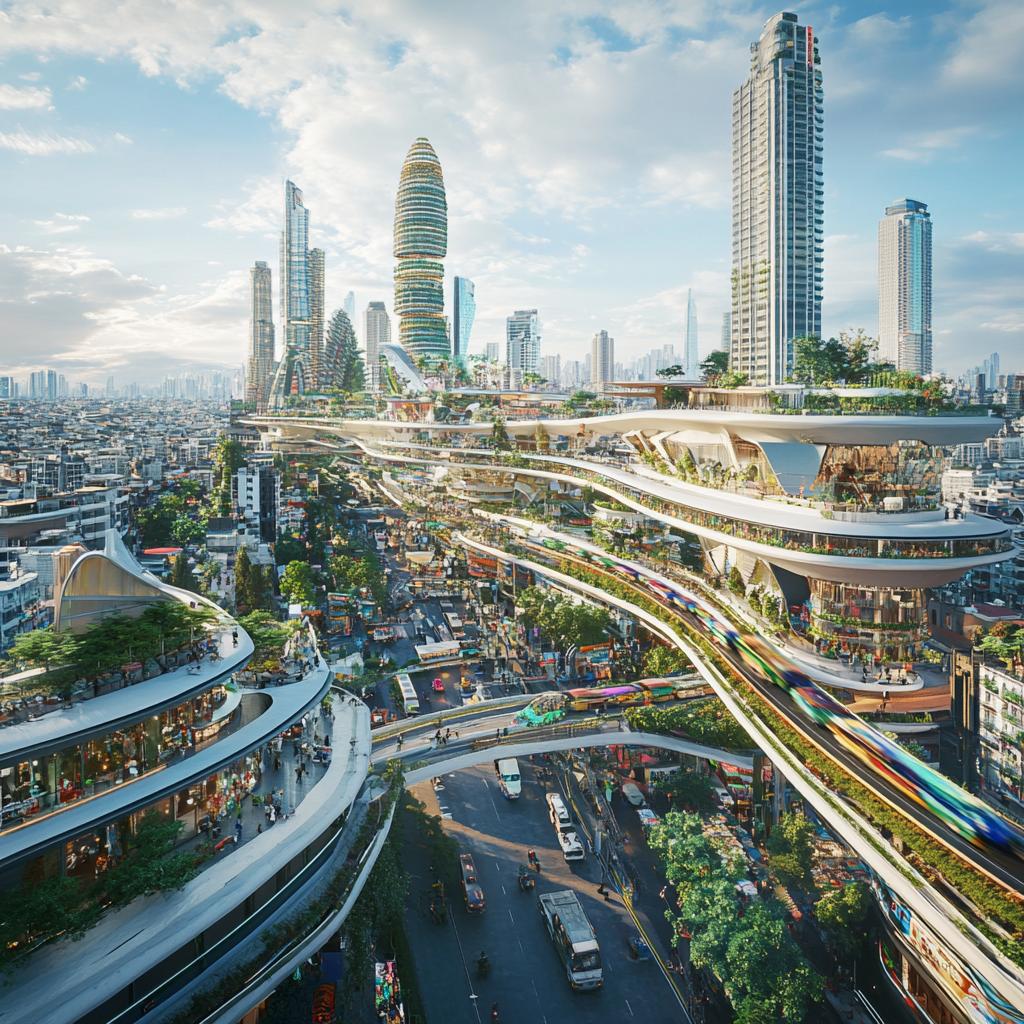
Is the bustling city of Bangkok on the verge of a much-needed transformation? The city that never sleeps is gearing up for a major facelift, as local authorities plan to overhaul the longstanding legislation that has governed the metropolis for decades. The Bangkok Metropolitan Administration (BMA) has unveiled ambitious plans to revamp the BMA Act of 1985—a statute that many city leaders believe is no longer fitting for a 21st-century urban hub. Aekwaranyu Amrapal, the BMA’s astute spokesperson, announced on April 17 that the proposed changes are designed to "boost efficiency in line with the hurdles of managing a modern city."
After diligently laboring for nearly three years and collecting feedback from diverse communities, the consensus is clear: Bangkok is wrestling with deep-rooted structural headaches. From the tiresome repetitiveness of pavement excavation to the gridlock traffic, not to mention the waste of potential under expressways and those unsightly overhead spaghetti wires. These glaring issues can largely be attributed to the constraints of the current administration. The newly suggested amendments are intent on tackling three crucial pillars: duties and powers, funding and budgeting, and administrative framework.
The spotlight is on the revamped proposal, granting the BMA more comprehensive authority to clamp down on environmental malpractice, enhance social services, and wage a war against illegal enterprises. Among the projected changes, the BMA would possess the clout to establish and enforce stringent emissions standards for vehicles and factories, bolster assistance for at-risk communities, and sharpen its vigilance over informal economy activities. But it's not just about acquiring power—every bit as vital is securing the funds.
Embrace the era of new taxes, as the blueprint introduces a variety of levies, including those targeting pollution, hotels, cigarettes, and aging vehicles—creating a more self-sustaining funding mechanism for urban development. In a move reflecting transparency and democracy, citizens have been invited to voice their opinions via an online hearing until May 18, as chronicled by the Bangkok Post.
"This is a pivotal moment for Bangkok," Aekwaranyu earnestly added. By embracing these reforms, the BMA hopes to build a city that strides forward with swifter adaptability, superior public services, and fortified accountability. With the streets of Bangkok perpetually choked with vehicles, pollution levels scaling daunting heights, and infrastructures stretched almost to breaking—one can't help but ponder: could this legislative metamorphosis finally remedy Bangkok’s historic woes?



Comment verification
Step 1 of 3
Verify your email once to publish your comment. Your email is never shown publicly.
Enter the 6-digit code sent to .
Choose the display name shown next to your comments.