Beware the Blue Sea Dragon: Venomous Visitor Surfaces at Phuket's Karon Beach
Amid the sun-soaked allure of Phuket's pristine beaches, a fascinating yet dangerous marvel has suddenly resurfaced, capturing the attention and caution of holidaymakers. The blue sea dragon, an enchanting yet perilous…
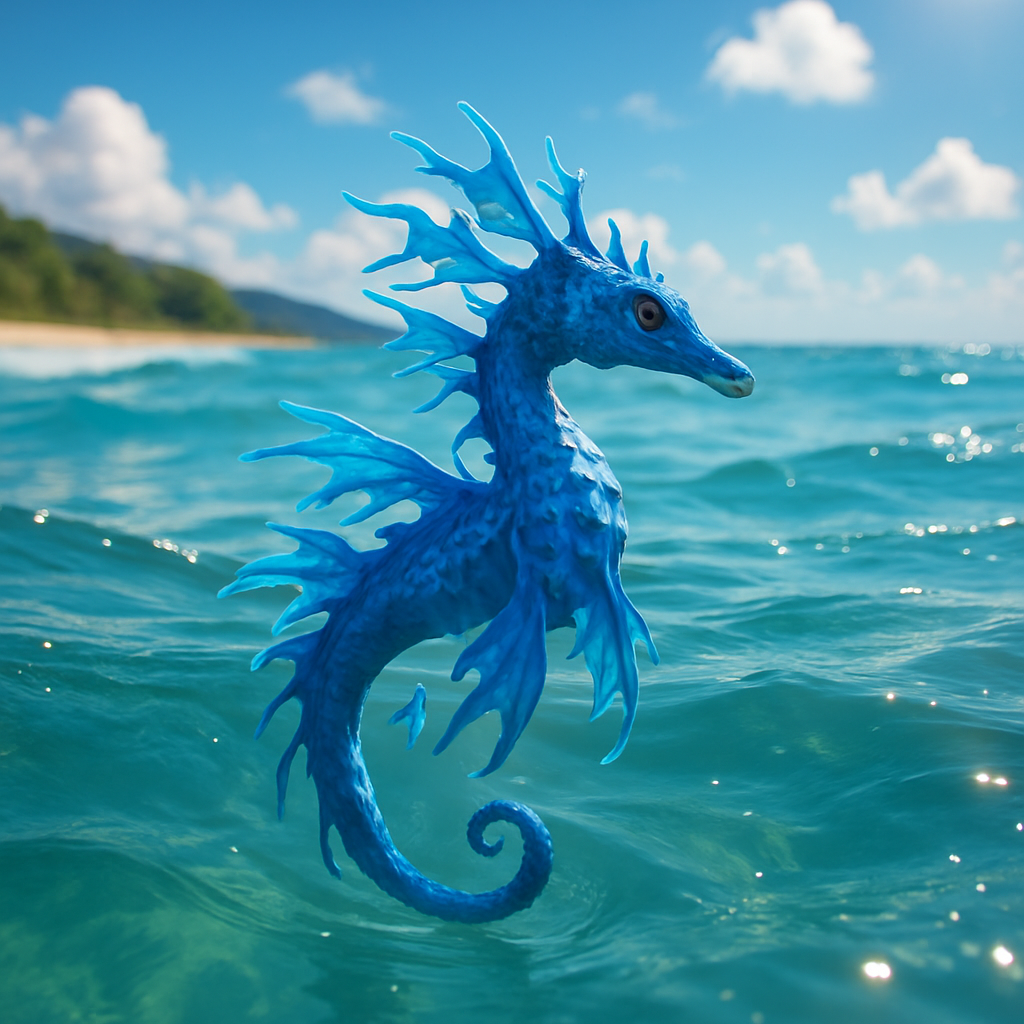
Amid the sun-soaked allure of Phuket's pristine beaches, a fascinating yet dangerous marvel has suddenly resurfaced, capturing the attention and caution of holidaymakers. The blue sea dragon, an enchanting yet perilous marine creature, has decided it's time to make a grand re-entrance. Phantom-like in its intermittent appearances, this creature, otherwise known as Glaucus atlanticus, seems to flutter right out of fantasy, yet its sting is as real as it is ominous.
This rare creature, as elusive as it is beautiful, has graced Karon Beach, one of Phuket's beloved coastal getaways, for the first time in nearly two years. Its arrival on the scene prompted MonsoonGarbage Thailand, a local environmental group, to sound an alarm via Facebook by sharing a startling image of the radiant dragon nestled within a glass of water. Although it measures a mere 3 centimeters, the blue sea dragon is no ordinary sea slug—it is one of the ocean's most venomous inhabitants.
A local marine expert put it quite aptly: “It might look like a miniature Pokémon, but touch it, and you could end up in the hospital, or worse.” This lethal cherub of the sea has the uncanny ability to siphon toxic stinging cells from its unsuspecting prey, including perilous fire jellyfish and fire coral, storing the venom as its own malefic reserve. Imagine it as a tiny, unassuming arsenal drifting through the waves, posing a risk to both predators and the unwary beachgoers who dare to underestimate it.
The venom of this cerulean enigma isn't just for show—it can cause everything from nausea, dizziness, and severe skin inflammation to, in extreme cases, more serious reactions that affect the heart and nervous system. In the event of accidental contact, Thon Thamromgnawasawat, a veteran marine scientist at Kasetsart University, advises the use of vinegar—a traditional remedy for jellyfish stings—to alleviate the symptoms.
With the azure dragon’s sudden debut on Phuket’s shores, local officials were quick to issue warnings. Nobody should be tempted by its captivating appearance to make contact. It serves as a vivid reminder of nature's fierce beauty, a lesson to exercise caution when frolicking in these inviting seas.
Now, don’t let its ethereal appearance fool you—this dragon isn’t a mythical creature but a wandering sea slug that thrives in the balmy waters of the Atlantic, Pacific, and Indian Oceans. It often frequents the coastal stretches of Australia, South Africa, and southern Europe, making its visit to Phuket a phenomenon of great intrigue.
What sets the blue sea dragon apart from its sluggish brethren is its unique ability to float belly-up near the ocean surface. Thanks to a clever method of storing air within its body, it drifts idly with the currents, enabling swift surprises on its venom-bearing prey. It is masterfully cloaked in a vibrant palette of blue and silver, a strategy that camouflages it against dangers from both above and below. When observed from the skies above, it vanishes into the glistening surface of the sea, and from beneath, it adopts the cerulean hue of the oceanic firmament.
This symphony of survival adaptations makes the blue sea dragon a marvel of the marine world, one whose lethality is as remarkable as its luminescent beauty. Fortunately, there have been no reported injuries in Phuket, but marine officials remain vigilant, closely monitoring the coastline to ensure that inquisitive steps into the unknown do not lead to regrettable encounters.
“Admire from a distance, but don’t get too close,” cautioned a lifeguard stationed at Karon Beach. “This diminutive dragon may be pint-sized, yet it delivers a sting as mighty as any large predator.” With Thailand's beaches bustling once more with throngs of sun-seekers, officials hope that awareness will keep unwelcome holiday mishaps at bay. For when it comes to these blue sea dragons, the ignorance of their acquaintance may indeed leave more than just a bruise on your vacation memory.



Comment verification
Step 1 of 3
Verify your email once to publish your comment. Your email is never shown publicly.
Enter the 6-digit code sent to .
Choose the display name shown next to your comments.