Thailand

Biomass Power Controversy in Southern Thailand: Suchart Setthamalinee Voices Concerns

In the heart of Thailand's deep South, nestled amidst lush greenery and tranquil landscapes, something's been stirring—something that's causing quite the buzz, and not in a good way! Enter: the biomass power plants,…
Biomass Power Controversy in Southern Thailand: Suchart Setthamalinee Voices Concerns

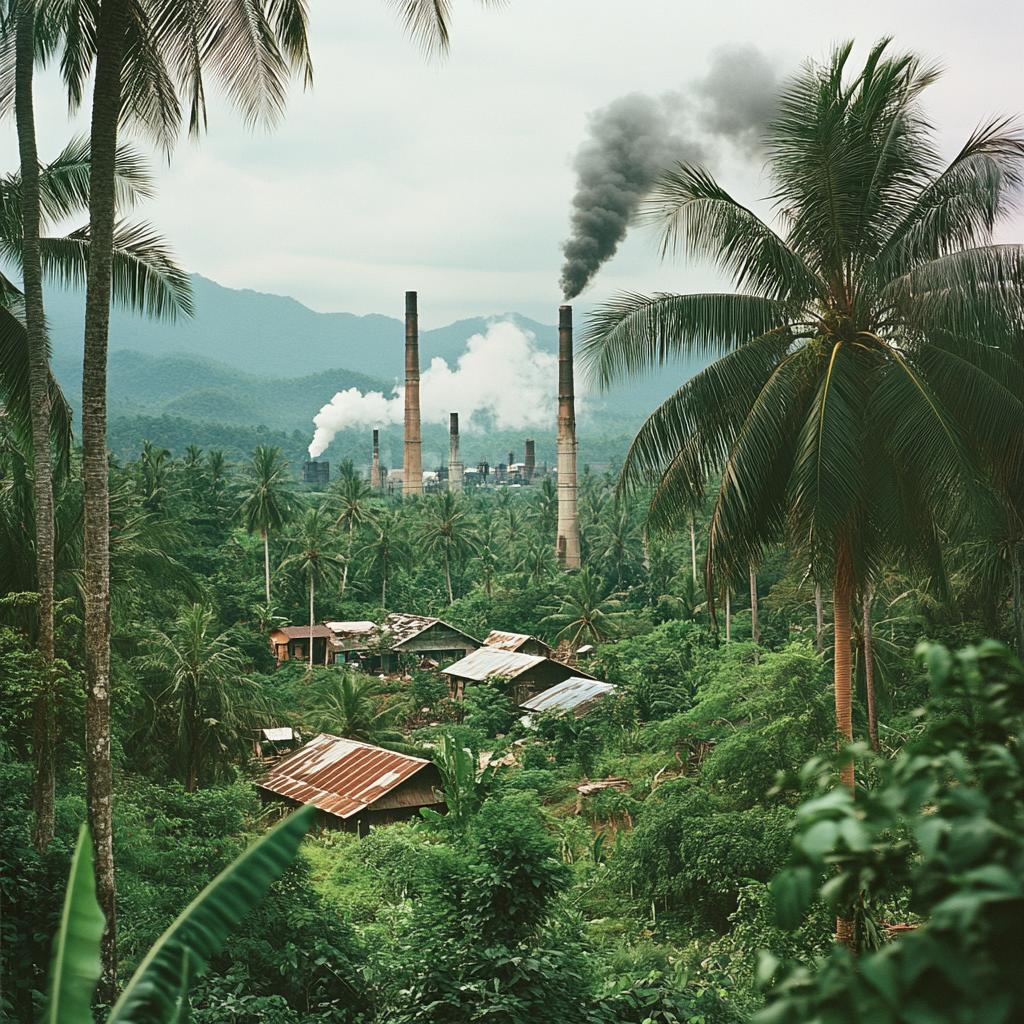
In the heart of Thailand's deep South, nestled amidst lush greenery and tranquil landscapes, something's been stirring—something that's causing quite the buzz, and not in a good way! Enter: the biomass power plants, creating waves of concern among the locals, environmentalists, and health advocates alike.

This uproar didn't go unnoticed by Suchart Setthamalinee, a notable commissioner of the National Human Rights Commission (NHRC). During a recent media shindig, he passionately highlighted the grave concerns echoed by human rights networks in the South. Their apprehensions about these power plants are not just hearsay; they're widely shared fears among the residents who call this place home.

Apparently, a whopping sixteen companies have secured the golden ticket—licenses to operate these biomass power plants in the region. But here's the kicker: while local agencies dot the area, they failed to clue the residents in on the potential ecological implications of these projects. Instead, they've only shared that these plants are in compliance—as per Environmental Impact Assessment (EIA) reports. Oh, the irony!

Yet, as Mr. Suchart unveiled, inspections uncovered a sinister reality beneath the paperwork. Some of these plants, emboldened by the assurance of EIAs, have unleashed pollution—think ash-laden skies and uproarious noise levels. You'd be hard-pressed to find a local unaffected by the fallout.

The drama intensifies with the entry of smaller power players who sidestep the EIA requirements entirely, thanks to a loophole allowing plants with a sub-10 megawatt capacity to bypass this crucial step. Still, the Energy Regulatory Commission (ERC) doles out some control, holding these operators to a stringent code of practice. But as it stands, communities living in the shadow of these powerhouses continue to live under a haze of uncertainty about the impact on their environment and day-to-day lives.

Particularly illustrative of the ongoing saga is the tale of two pint-sized contenders—a three-megawatt and a six-megawatt biomass plant in tambon Patae of Yala’s Yaha district. Their story came to a head on November 22, 2023, drawing fierce opposition from residents at a public hearing, all fiercely vocal about potential health and environmental hazards.

The NHRC, in synchrony with Mr. Suchart's sentiments, urged the ERC to steer developers towards transparency and accountability. They’re pushing for developers to spill the beans to the locals, not just in piece-meal information but through comprehensive engagement—another public hearing perhaps? Additionally, there's a gnawing insistence that they conduct human rights due diligence to forestall any abuses stemming from these corporate ventures.

Expanding on the blueprint of vigilance, the NHRC called for local administrative bodies and communities to join forces in keeping a watchful eye on the Power Development Fund. It’s all about ensuring the intended financial support doesn’t trickle down the wrong path, but instead bolsters efforts to safeguard both the environment and communities from adverse effects.

While the saga of biomass power in the deep South unravels, the locals remain steadfast, echoing an anthem of advocacy that ensures their concerns are heard, and their rights protected. Will the powers-that-be heed their call? Only time will tell, but for now, the stage is set, and the dialogue continues.


29Comments
Sort by:
EEcoWarrior107··1 pts · 3 replies
E
EcoWarrior107
These biomass plants are a disaster waiting to happen! How can they just bypass environmental checks like this?
1
TTommy_R··1 pts
T
Tommy_R
It's a sham! They claim to follow guidelines, but the pollution they're causing is out of control.
1
LGLila Green·1 pts
LG
Lila Green
Exactly! The noise and ash are unbearable. Why isn't anyone stopping them?
1
GGreenGuru··1 pts
G
GreenGuru
This is what happens when profit comes before people. We need stronger laws to protect the environment.
1
FFrank_Thompson··1 pts · 2 replies
F
Frank_Thompson
Honestly, I think the biomass strategy is necessary for energy security, but transparency is key.
1
LLLara L.··1 pts
LL
Lara L.
Necessary maybe, but not at the expense of our health and environment. Informed communities are empowered communities!
1
EEcoWarrior107··1 pts
E
EcoWarrior107
Transparency would mean acknowledging the real impacts, which they don't seem ready to do.
1
NNatureLover··1 pts · 2 replies
N
NatureLover
Why aren't we focusing more on solar or wind energy instead of burning organic material?
1
EEnergyAnalyst88··1 pts
E
EnergyAnalyst88
Solar and wind have their setbacks too, like geographic limitations, but yes, they should absolutely be part of the discussion.
1
EEcoWarrior107··1 pts
E
EcoWarrior107
Agreed, biomass is only a quick fix and isn't sustainable in the long run.
1
MDMark D.··1 pts · 1 reply
MD
Mark D.
It's pretty sketchy that smaller plants can skip EIAs altogether. What loophole is that?
1
APAnna P.··1 pts
AP
Anna P.
Yep, anything under 10 megawatts gets a free pass. It's outrageous and potentially harmful!
1
GGrowGreen··1 pts · 2 replies
G
GrowGreen
The hypocrisy of claiming compliance while polluting actively is mind-blowing. Where's the accountability?
1
EEcoWarrior107··1 pts
E
EcoWarrior107
Right?! EIAs should be more than just paperwork. They should enforce real responsibility.
1
TTommy_R··1 pts
T
Tommy_R
The NHRC seems to be a lonely voice against these practices. More transparency is needed!
1
SScienceGuy99··1 pts · 1 reply
S
ScienceGuy99
Technically, biomass is carbon neutral if done right. But clearly, it's not happening here.
1
EEcoKyle··1 pts
E
EcoKyle
Yeah, the 'if done right' part is crucial. Clearly, corners are being cut, and it's the locals who pay the price.
1
SSunShineLady··1 pts
S
SunShineLady
Hasn't anyone considered eco-tourism as a better avenue for the local economy rather than these hazardous plants?
1
TTerraBella··1 pts
T
TerraBella
At this point, it feels like the ERC is letting anyone with a business plan open a plant. What’s the oversight here?
1
ZZappyZack··1 pts
Z
ZappyZack
If these projects get out of hand, the long-term damage to the environment could be irreversible. Is clean energy really that hard?
1
BBethany_F··1 pts
B
Bethany_F
Can't we have a balanced approach with a combination of energy sources? Relying too much on one, especially harmful ones, is dangerous.
1
EEcoWarrior107··1 pts · 1 reply
E
EcoWarrior107
The public hearing on November 22 should have been a wake-up call. Will the authorities listen?
1
GGreenMachine··1 pts
G
GreenMachine
Hard to say, but with consistent pressure and advocacy, they might have to.
1
JJimbo··1 pts · 1 reply
J
Jimbo
Sounds like there's a lot of bureaucracy involved. No wonder things aren't being done right.
1
SSue77··1 pts
S
Sue77
It’s like they’re more interested in paperwork than actual impacts. Talk about having priorities skewed!
1
CClimateCrusader··1 pts
C
ClimateCrusader
As much as I see the need for energy, there HAS to be a more ethical approach to development.
1
WWaterLover21··1 pts
W
WaterLover21
Sound policies should be built around protecting water sources too. Pollution often starts in the air and settles in the water.
1
JJaneDoe··1 pts · 1 reply
J
JaneDoe
I'm no expert, but it seems obvious that more communication with the locals could solve many of these issues.
1
FFrank_Thompson··1 pts
F
Frank_Thompson
Right, it's not just about sharing information, it’s about meaningful dialogue and action.
1
