Cambodian Activist Em Piseth's Struggle for Asylum and Justice in Thailand
In a poignant narrative that resonates with the echoes of suppressed voices, the plight of Cambodian activist Em Piseth unfolds with gripping urgency. At the age of 37, Piseth has become an emblem of resistance against…
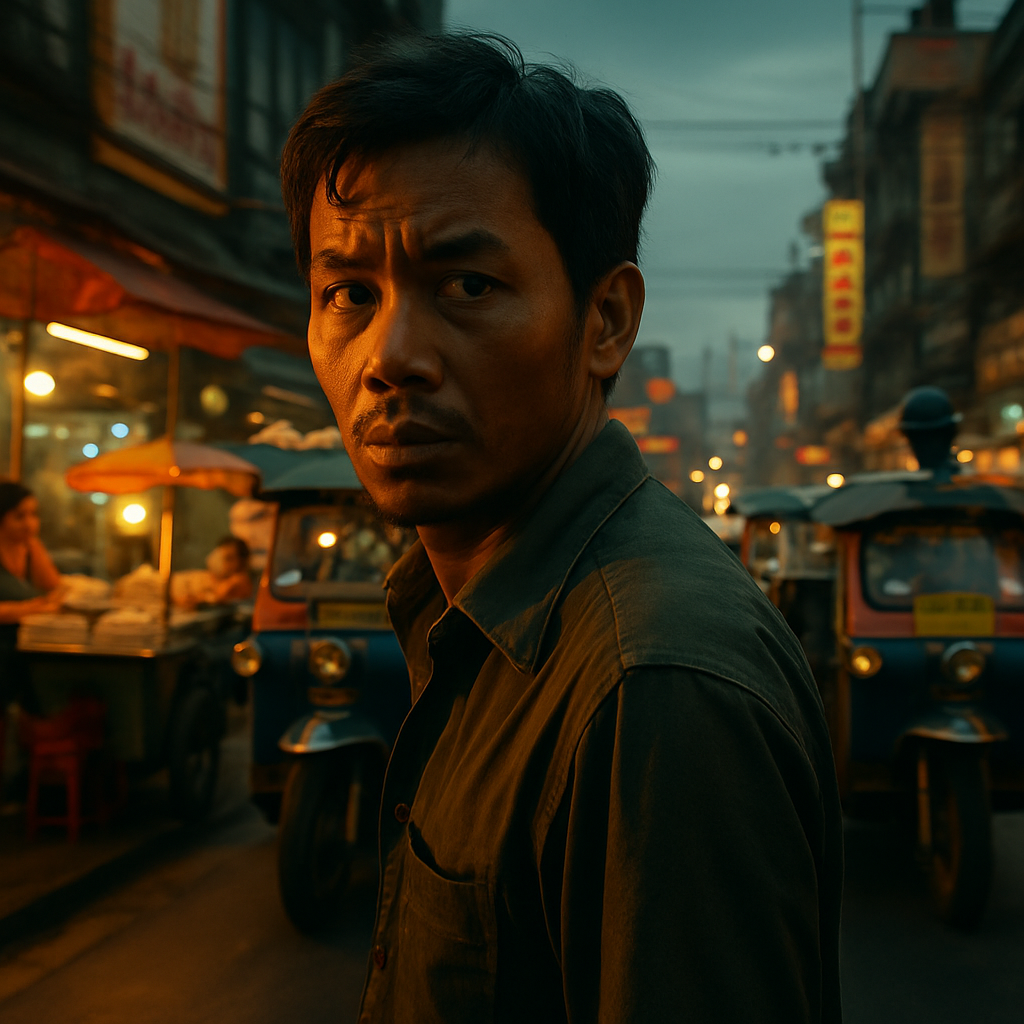
In a poignant narrative that resonates with the echoes of suppressed voices, the plight of Cambodian activist Em Piseth unfolds with gripping urgency. At the age of 37, Piseth has become an emblem of resistance against the backdrop of political turbulence in his homeland. Formerly the leader of the Cambodian International Youth Network in Thailand, he has now sought refuge in the neighboring country, engulfed by fears for his safety after daring to critique the Cambodian government and military.
Piseth's dramatic flight to Thailand follows the circulation of a daring social media video that took Cambodia by storm. The contentious video, which portrayed Cambodian troops stationed at the Thai-Cambodian border as debilitated and inadequately sustained, became the focus of intense scrutiny. This provocative portrayal tapped into the insights of a former soldier and confidant, shedding light on alleged inadequacies in military preparedness. The ensuing backlash was swift and fierce, with Cambodia's Senate President Hun Sen launching accusations of misinformation and impersonation of military personnel against Piseth.
The ramifications of Piseth's audacity reverberated through the digital corridor as Cambodian police reported that his TikTok account, once a platform for his activism, was disseminating what they deemed misleading content. With his sense of security eroded, Piseth receded into the shadows, joining the ranks of other Cambodian dissidents nestled in Thailand's embrace, all casting wary glances over their shoulders.
In a recent conversation with the Bangkok Post, Piseth unburdened his fears with palpable trepidation, "The clip aimed to be the voice of the voiceless Cambodian troops. I fear stepping outside, haunted by the specter of past tragedies. Remember the former Cambodian MP assassinated in Bangkok?" His words conjure the haunting memory of Lim Kimya, a 73-year-old Cambodian-French luminary of the Cambodia National Rescue Party (CNRP), who met a tragic end near Wat Bowonniwet Vihara in Bangkok earlier this year.
The specter of political dissent, long and storied, haunts Cambodia’s history. The CNRP, once a formidable opposition force, was dismantled amid allegations of subversive machinations in 2017—claims widely perceived as veils of political expedience.
Emerging from the pastoral landscapes of Kompong Cham province, Piseth found his way to Thailand in 2020, seizing a legitimate entry to champion the cause of Cambodian migrant workers, who often contend with exploitation and hardship. Over the ensuing years, the echoes of his criticisms reverberated throughout Phnom Penh's corridors of power, laying bare accusations of political oppression, electoral manipulation, and rampant exploitation of natural bounties for the aggrandizement of societal elites.
As the pressures mounted, his digital presence vanished, with his social media accounts ensnared and closed. The activist now finds solace in the hope of political asylum, hoping to breathe anew in sanctuaries like the United States, Australia, or Canada. Despite a deep-seated fondness for Thailand, the throes of his precarious legal status show no mercy, with an expired work permit underscoring the tenuousness of his existence. Relying on a network of activists for sustenance and managing basic necessities, Piseth remains resolute, “I speak with my lawyer every day—living moment to moment.”
In these testing times, Piseth appeals to the Thai populace, urging compassion and understanding for Cambodian migrant workers, exuding gratitude for the kindness extended to those hailing from Cambodia, Laos, and Myanmar. With a heart toward peaceful resolutions, he harbors hope, amid strife-ridden borders, for a future unmarred by such discord.



Comment verification
Step 1 of 3
Verify your email once to publish your comment. Your email is never shown publicly.
Enter the 6-digit code sent to .
Choose the display name shown next to your comments.