Chaithawat Tulathon's Bold Critique: The Thaksin Shinawatra Political Dance in Thailand 2024
Chaithawat's Verbal Jabs: The Thaksin Tango and Tumultuous Thai Politics In the vibrant and ever-turbulent arena of Thai politics, there's never a dull moment, and the latest episode features an all-out verbal slugfest…
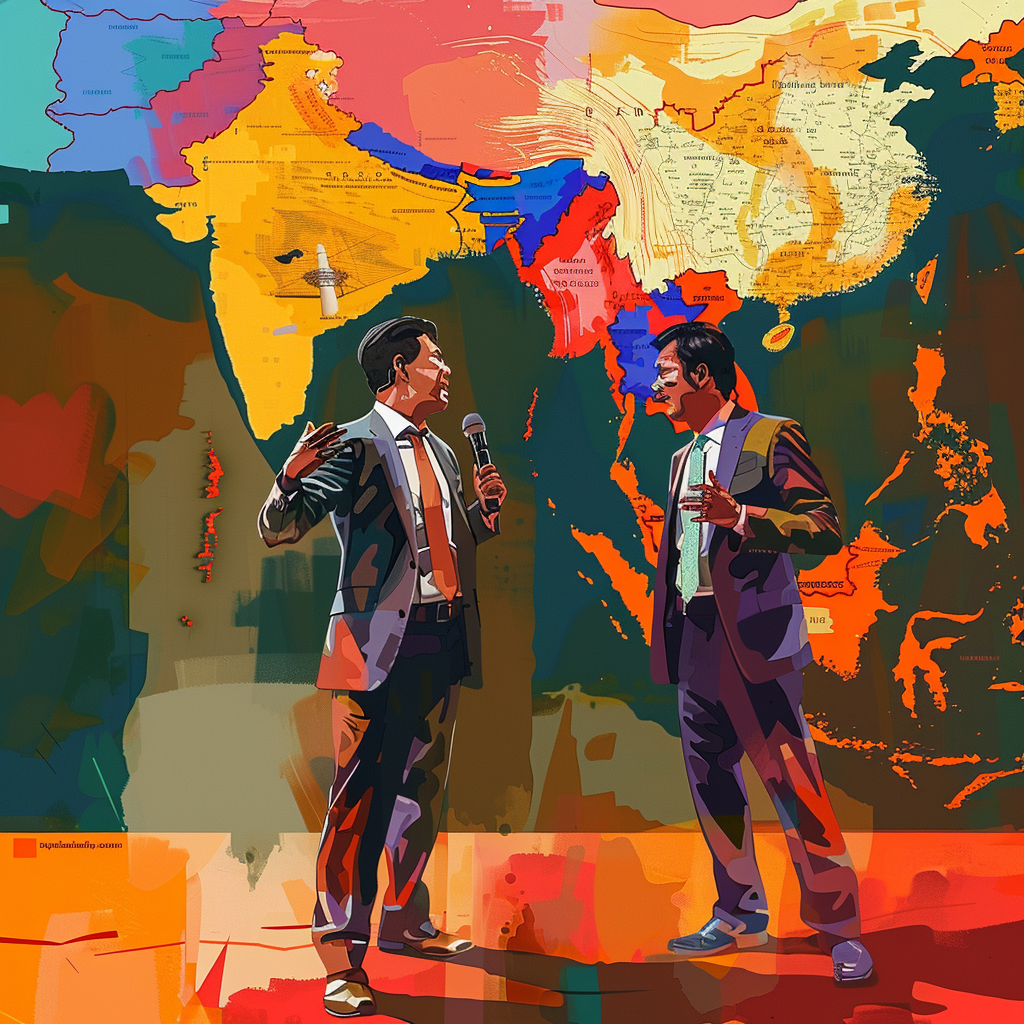
Chaithawat's Verbal Jabs: The Thaksin Tango and Tumultuous Thai Politics
In the vibrant and ever-turbulent arena of Thai politics, there's never a dull moment, and the latest episode features an all-out verbal slugfest courtesy of Chaithawat Tulathon, who seems to have Thaksin Shinawatra's number. But before we dive straight into the drama, let's backtrack a bit—local elections, once tossed aside as irrelevant, have sprung back with a vengeance, now considered the grand opening act for the national elections waiting in the wings.
Enter the Province Administrative Organisation (PAO) chairman elections, a glittering stage where political juggernauts parade, hoping to foreshadow their main-event performance in the national elections. To many, these provincial polls have evolved into political litmus tests, juicy appetizers setting the tone for the hefty entrée of upcoming national contests. The players? None other than the mighty People's Party (PP) and their erstwhile allies turned adversaries, Pheu Thai.
The political dance floor, particularly in Udon Thani, has seen some heated footwork between these two powerhouses. Once a harmonious duo during the Prayut Chan-o-cha era, the PP and Pheu Thai have now pivoted into fierce competitors, thanks to an unsuccessful coalition attempt post-Prayut. The proverbial olive branches have long been swapped for pointed sticks.
Amidst the PAO campaigns, Chaithawat leaped into the fray, offering some robust critiques against the revered Thaksin. He accused Pheu Thai of legislative lethargy, calling their MPs "lame ducks" in the law-making marathon. Chaithawat questioned Thaksin's claim of dismantling energy monopolies, querying, "Why's the concession still locked in the grip of a solitary titan?" This was no genteel tennis match; rather, the gloves were very much off, and the punches earnest.
Why all this hullabaloo, you ask? Well, the PP aims to step boldly onto the national stage, prying away support as a virtuous alternative amidst looming Pheu Thai tribulations. Hot topics threatening the apple cart include whispers of a Thai-Cambodian economic MOU and the intriguing appointment saga of former finance minister Kittiratt Na-Ranong, rumored to be Pheu Thai's financial figurehead.
Beyond this swirling storm, another noteworthy narrative unfolded in Nakhon Si Thammarat, where a wrench was thrown (or perhaps, a battle won) against the Democrat Party by Warin Chinawong. This upset signaled a shift in the southern stronghold, symbolizing the consequences Democrats face for choosing the coalition bedfellowship with their historic rivals, Pheu Thai.
Speaking of seismic shifts, a contentious bill proposed by Pheu Thai's Prayuth Siripanich has stirred the pot even more. Aimed at barring military coups, the bill has the populace divided: some view it as a crucial experiment, a juridical firewall against military adventurism, while others argue it might hand politicians unwarranted sway over military matters, potentially stirring unease within the ranks of power.
Critics see wily maneuvering beneath the bill's facade, suspecting it could rekindle the civilian-military rift or even threaten the monarchy. However, proponents assert it provides a sliver of hope for coup-proofing the nation, empowering civilian governance against military might.
Minds like Jade Donavanik suggest a clear-cut prevention path: buy-in from all sides toward honest governance and public service enhancement—education, health, jobs—the whole nine yards. By this alignment, future coups would prove as futile as eggs hitting stone: breeze in and break apart.
With schemes afoot and public opinion sizzling until the New Year, Mr. Prayuth's bill offers a glimpse into the fractious future of Thai politics, highlighting significant divides within both ruling and opposition camps.
As Premier Paetongtarn Shinawatra slides cautiously away from the proposed amendment, Thai political aficionados watch, eyes wide, eager to see whether this bill or others like it can muster enough support to breach the legislative fortress or if they will crumble under the weight of their ambitions.



Comment verification
Step 1 of 3
Verify your email once to publish your comment. Your email is never shown publicly.
Enter the 6-digit code sent to .
Choose the display name shown next to your comments.