Chalida "Ton Or" Palamart and Be One Respond to Nakhon Ratchasima Child Abuse Case
A heartbreaking and shocking case from Isaan has shaken a small community in Nakhon Ratchasima after a 13-year-old boy arrived at a community leader’s home late on the night of September 8, his body marked by severe,…
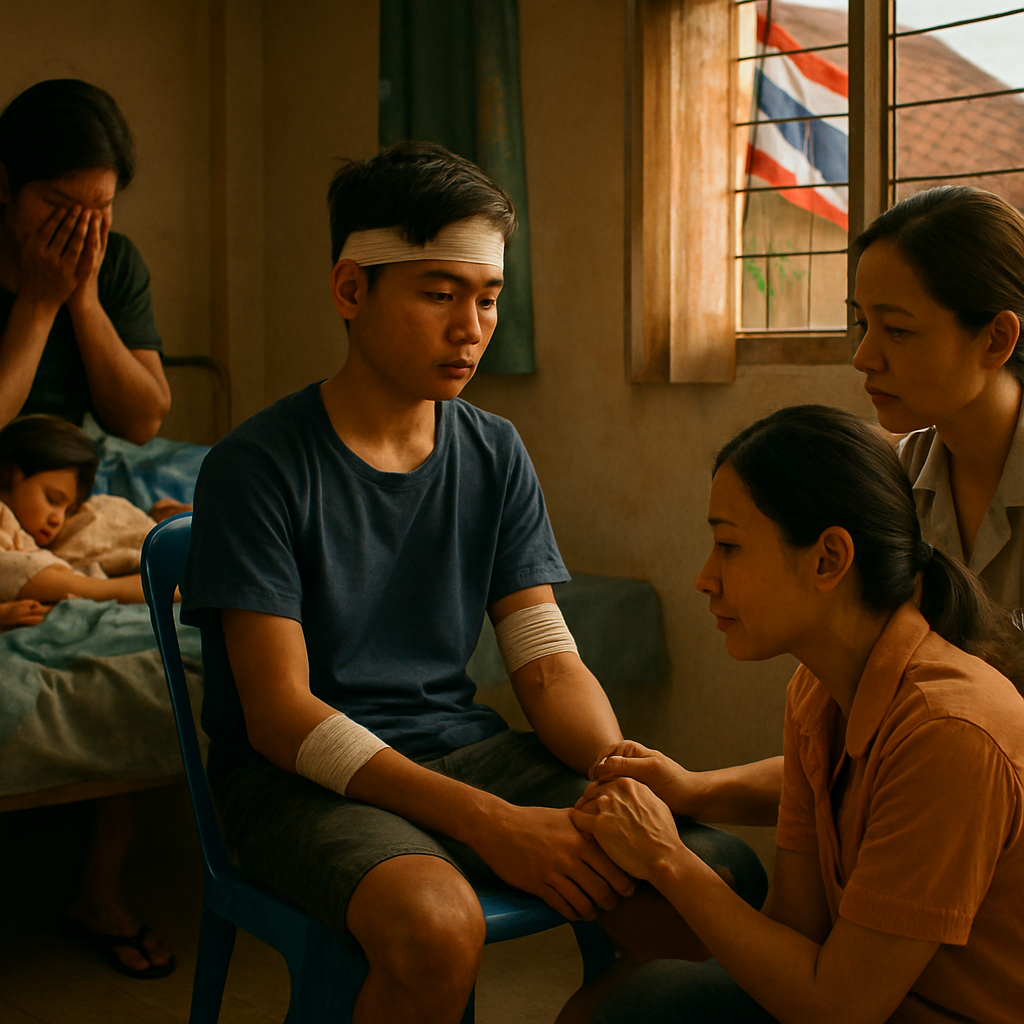
A heartbreaking and shocking case from Isaan has shaken a small community in Nakhon Ratchasima after a 13-year-old boy arrived at a community leader’s home late on the night of September 8, his body marked by severe, bleeding wounds. The boy had fled his home seeking help — not from police, but from a local leader — and when pressed about his injuries eventually revealed that his mother had beaten him after learning he had sexually assaulted his eight-year-old half-sister.
The incident came to wider attention after Chalida “Ton Or” Palamart, founder of the Be One non-profit organisation, stepped in to supervise the case and posted the details on her Facebook page. Ton Or described a fractured household: the mother has four children, each from different fathers, and the young victim told her mother she had been assaulted by her older brother on multiple occasions. The mother, distraught and enraged by the revelation, lashed out physically at her son.
Community leaders and child protection officers were quickly notified. Ton Or coordinated with the Nakhon Ratchasima Provincial Shelter for Children and Family to ensure the family received immediate attention and that the children were placed where they could be safe. She told reporters she was shocked by the severity of the boy’s wounds but also understood the mother’s overwhelming anguish at discovering the abuse.
Still, Ton Or strongly opposed the mother’s call to have her own son jailed. Instead, she argued for a therapeutic approach: the boy, she believes, needs care and rehabilitation, not incarceration. “There are layers of trauma here — in the children, in their mother,” she wrote, urging authorities to consider psychological assessment and treatment alongside police procedures.
The case highlights a cruel paradox: a parent driven by heartbreak to commit an act of violence against a child who is himself both victim and perpetrator. Local child welfare workers say such situations require delicate, multidisciplinary responses: medical attention for physical injuries, trauma-informed psychological care, careful forensic investigation, and legal steps that protect all vulnerable parties while pursuing justice.
Online commentary has been divided. Some netizens rally behind the mother, saying her reaction was the understandable eruption of a parent betrayed. Others warn against vigilante punishments and stress the need to investigate the root causes of the boy’s behaviour. A number of commenters pointed to influences such as online communities, social media, and unsupervised internet access as potential factors that might shape harmful behaviour in young people — though child protection experts caution that these are only pieces of a much larger puzzle, which often includes family instability, poverty, neglect, and unmet mental health needs.
What this case makes painfully clear is that complex family dynamics and interlocking traumas can produce outcomes that no parent wants to imagine. Thailand has been grappling with the challenge of protecting children while also addressing the underlying social issues that contribute to abuse. Organisations like Be One and provincial shelters play a crucial role in triage and long-term support, yet the scale of needs often outstrips available resources.
Immediate priorities in Nakhon Ratchasima included: stabilising the injured boy and the young victim, ensuring they are separated if necessary for safety, conducting a proper investigation into the assaults, and starting trauma-informed care for both children. Authorities and social workers also must determine whether the mother’s act of punishment carried criminal liability and how best to balance accountability with her own need for counselling and support.
Experts say a constructive response should include:
- Medical treatment and careful documentation of injuries for both children.
- Forensic interviewing by trained child protection professionals to preserve evidence while minimising additional trauma.
- Psychological assessment and long-term therapeutic plans for the perpetrator and the victim, recognising that children who abuse others are often themselves victims of abuse or neglect.
- Family interventions and social support to address poverty, housing instability, and parental stressors that exacerbate risk.
- Community education about reporting, online safety, and where families can seek help before crises escalate.
Ton Or’s involvement underscores the crucial role of local NGOs in bridging gaps between communities and formal services. Her request that the boy not be immediately incarcerated reflects a perspective increasingly advocated by child welfare professionals worldwide: punishment alone rarely resolves the trauma-driven behaviours of young adolescents. Rehabilitation, supported housing, and psychiatric care can reduce recidivism and, importantly, help heal victims.
As authorities continue their investigation in Nakhon Ratchasima, the case raises uncomfortable questions about how the Thai system supports — or fails to support — families in crisis. When violence begets more violence, the price is paid by children. What this community appears to need most is rapid, compassionate intervention that protects the vulnerable while confronting the difficult realities behind the headlines.
For now, the provincial shelter and Be One have taken custody and responsibility for arranging care, and local police are involved in the criminal aspects of the case. The hope among advocates is that the children will receive the medical and psychological help they need and that the family can be guided toward a safer, more stable future.



Comment verification
Step 1 of 3
Verify your email once to publish your comment. Your email is never shown publicly.
Enter the 6-digit code sent to .
Choose the display name shown next to your comments.