Championing Inclusive Sustainability: Insights from Vichan Tangkengsirisin and Friso Poldervaart on 'Mind the Gap' Podcast
In the thrilling sixth installment of Bangkok Post’s "Mind the Gap" podcast, the spotlight is cast on a paramount question: How can we make sustainability an inclusive endeavor—one that’s woven into the fabric of our…
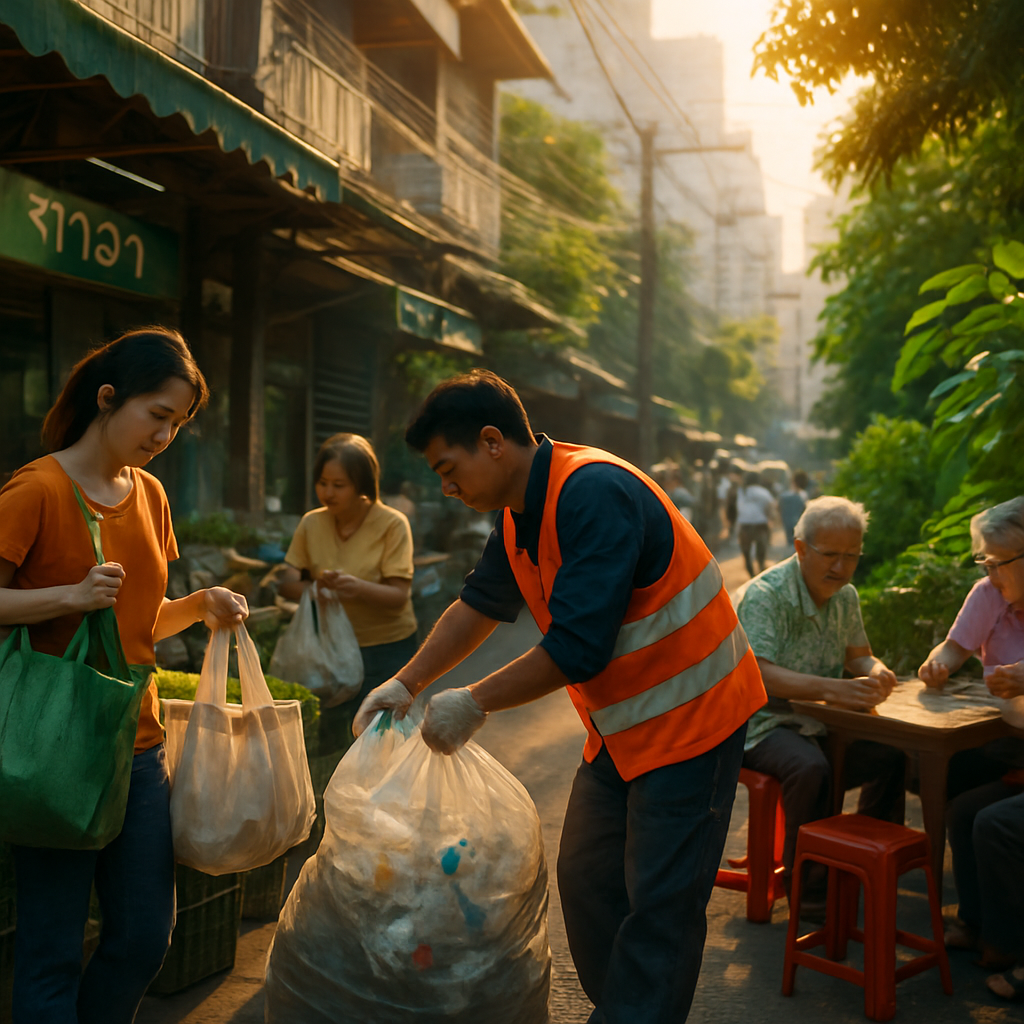
In the thrilling sixth installment of Bangkok Post’s "Mind the Gap" podcast, the spotlight is cast on a paramount question: How can we make sustainability an inclusive endeavor—one that’s woven into the fabric of our lives from strategic boardrooms to daily routines? On one side of this engaging dialogue is Vichan Tangkengsirisin, the distinguished President of Dow Thailand. Representing a global materials science powerhouse, Vichan brings a bird’s-eye view with his expertise in weaving sustainability into the very DNA of industry strategies. His perspective is as vast as the horizon, spanning systems and scalable solutions that promise a greener tomorrow.
Opposing him is the equally passionate Friso Poldervaart, co-founder of the Bangkok Community Help Foundation. With his boots firmly on the ground, Friso’s insights are born from the lived experiences amidst waste collectors, elderly care volunteers, and grassroots advocates tirelessly working in Thailand’s often-overlooked communities.
How can individuals champion sustainability?
While their viewpoints orbit broad, strategic realms, Friso ground the conversation in the stuff of everyday life, posing a question that resonates with listeners: How can we, the everyday consumers, champion sustainability?
Vichan’s response was refreshingly simple yet profound. "Start small," he mused, recalling fond memories from childhood trips to the market with his mother. She was a stalwart in refusing the lure of new plastic bags, choosing instead to reuse those already at home. This personal tale served as a poignant reminder that sustainability begins with individual choices—refusing, reusing, and recycling can indeed light the path to a brighter, greener future.
But Vichan didn’t stop there. He urged us to extend our consumer power by supporting companies that integrate sustainability into the core of their missions—be it through the use of recycled materials, crafting products with eco-friendly lifecycles, or minimizing environmental footprints.
How can companies make sustainable products more accessible?
Cost, as it turns out, sits like an ogre on the path to sustainability, both for consumers and companies. Friso voiced a common frustration: environmentally friendly products often sport a heftier price tag. Vichan, with a sage nod, explained that early adopters indeed face a price premium, but as demand scales, costs shrink. It's a process akin to riding a wave, where governmental support, business innovation, and consumer participation form the perfect swell.
Vichan highlighted the importance of better waste segregation at the household level—a seemingly small act that multiplies the value of recyclables, making their reintegration into production cycles more efficient. “With the right ecosystem in place,” Vichan assured, “costs will tumble, and sustainability will blossom as a universal standard.”
How do we rally the masses towards sustainability?
Beyond individual action and corporate systems, the heartbeat of sustainability is often rhythmic with engagement. Friso passionately emphasized this, highlighting the power of incentives. “Clean your community, and we’ll ensure you see benefits,” he championed.
His NGO, a beacon of hope, compensates locals for their efforts in collecting plastic waste—a venture that turns trash into treasure, literally, through transformative partnerships that convert it into biofuel. Similar alchemy transforms used cooking oil into jet fuel, sparing rivers from pollution.
These initiatives don’t just tidy up neighborhoods—they multiply opportunities, breeding a ripple of economic and environmental prosperity. Vichan praised the strategy, underscoring that meaningful incentives catalyze systemic changes, turning good intentions into impactful realities.
How can sustainability embrace the elderly and underserved?
In extending the web of inclusion, Friso spotlighted a crucial yet often overlooked demographic: the elderly. As Thailand’s societal tapestry grays, with scant governmental support available, many seniors find themselves adrift with meager income and limited engagement.
Friso’s organization extends a helping hand by providing accessible job opportunities, allowing seniors to engage in low-intensity tasks like packing and sorting. This approach allows the elderly to remain active and earn supplemental income—restoring dignity and societal participation. “They’ve toiled all their lives. Now they’re financially stranded and socially sidelined,” Friso lamented.
Echoing empathy, Vichan shared Dow’s initiatives with the elderly in Rayong, recognizing their eagerness to contribute and advocating for systems that welcome their valuable participation. It's a testimonial to the fact that sustainability’s net must extend to capture social participation across all age groups.
When everyone contributes to sustainability
The "Mind the Gap" episode six leaves listeners with an invigorating revelation: sustainability is not reserved for the experts. It’s a collective chorus that resonates through all corners and generations. From colossal corporate ventures to quaint community cleanups, and youthful enthusiasm to seasoned wisdom, the narrative is clear—everyone has a part to play.
The secret lies in designing systems and incentives that summon participation, celebrate efforts, and value every individual’s contribution. It’s when these elements coalesce that sustainability transcends being just an abstract notion, transforming into a vibrant, lived experience for all.



Comment verification
Step 1 of 3
Verify your email once to publish your comment. Your email is never shown publicly.
Enter the 6-digit code sent to .
Choose the display name shown next to your comments.