Chayada Prao-hom's Tragic Death: The Dangers of Neck-Cracking Massages
The sudden and tragic passing of celebrated Udon Thani native singer Chayada Prao-hom has left fans in shock and raised questions about the safety of certain massage practices. Following a routine neck-cracking massage,…
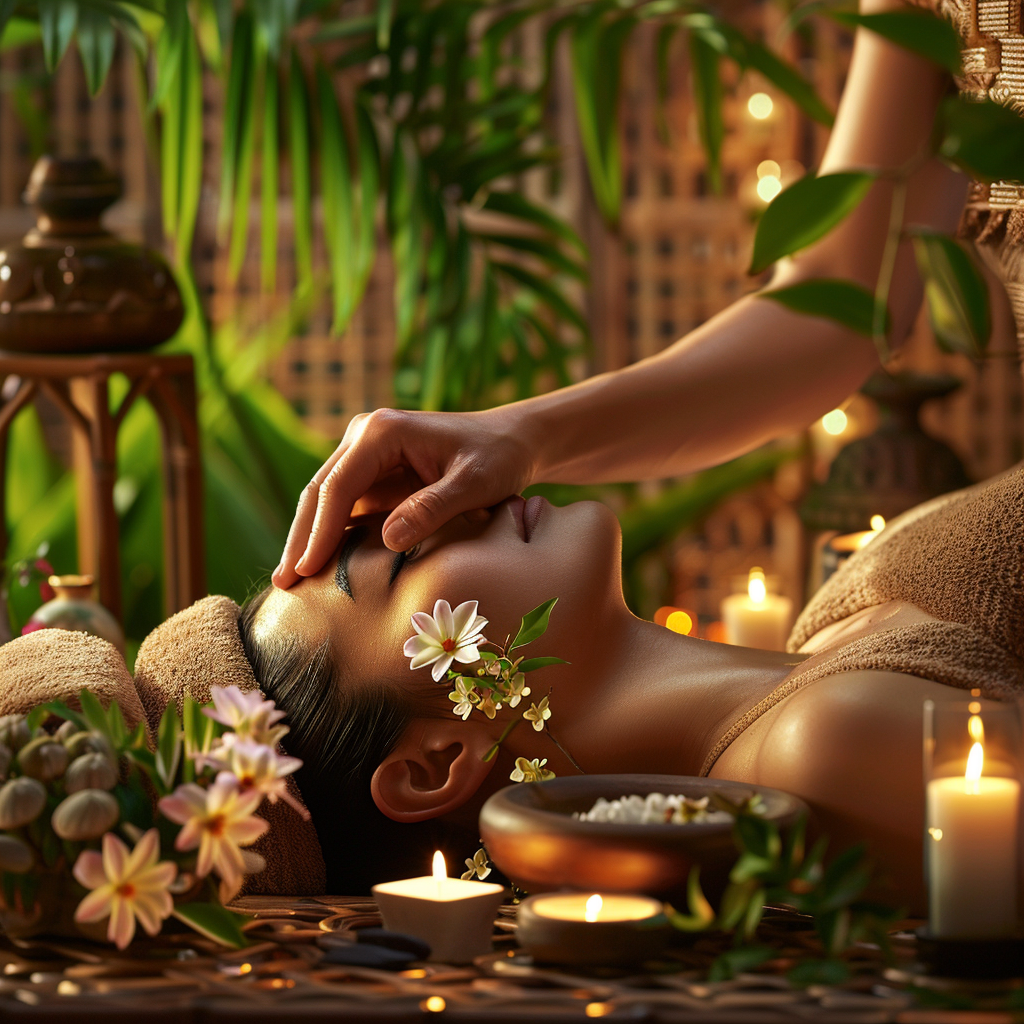
The sudden and tragic passing of celebrated Udon Thani native singer Chayada Prao-hom has left fans in shock and raised questions about the safety of certain massage practices. Following a routine neck-cracking massage, Chayada faced severe complications which ultimately led to her untimely demise. An autopsy report determined that a blood infection and a swollen spinal cord were the culprits, leaving many to wonder about the risks associated with therapeutic massages.
Dr. Somchaichoti Piyawatvela, the chief of Udon Thani's Provincial Public Health Office, briefed the media on Monday with insights into Chayada's distressing final days. After suffering from dire brain and spinal cord injuries, her x-ray revealed a swollen spinal cord. Despite a diagnosis of limb fatigue upon hospital admission, no neck-related issues were initially identified, casting a perplexing shadow over the true cause of her suffering.
In pursuit of clarity, Dr. Panuwat Panket, head of the Health Service Support Department, asserted their commitment to a comprehensive investigation. "We cannot conclude just yet whether the massage was the cause of her death. What we must do is to question the therapists who treated her," he explained, revealing the challenge faced thus far in locating the involved therapists for questioning.
The massage establishment where Chayada received her treatment was nestled within the heart of Udon Thani municipality and held a legal registration as a therapeutic enterprise. According to reliable sources, the shop employed seven certified therapists, each rigorously trained in a 150-hour course compliant with legal mandates.
Prior to her decline, Chayada had taken to her social media platform, Facebook, sharing suspicions that the neck-cracking maneuvers during her massage might be contributing to her deteriorating health. Her words resonated with those who later learned she experienced pronounced numbness in her arms after an attempt to alleviate her shoulder stiffness on October 5th.
Chananat Saeng-Arun, the Thai Traditional Medical Council's secretary-general, has been insistent that neck manipulations, such as twisting or cracking, do not form part of the sanctioned training regimen. The course mainly focuses on motions deploying hands and palms, not risky neck movements.
According to Mr. Chananat, massage therapists diverge into two categories: those who facilitate relaxation and those steeped in traditional Thai medicine. The former requires a 150-hour training program, while the latter demands a more rigorous 372-hour training backed by certification from the council.
Chayada's narrative drew widespread attention following her candid Facebook post last month, reflecting on the numbing sensation that settled in her arms shortly after her massage visit. Despite the warning signs, she returned twice more to the same venue, each time her condition taking more of a toll. Alarm bells rang as a medical scan unveiled brainstem swelling, ushering in urgent medical intervention.
Sadly, Chayada was transferred to an ICU on November 18, where she bravely held on until the devastating announcement of her passing last weekend. Her story serves as a poignant reminder of the need for vigilance and adherence to safe massage practices, while the inquiry presses on to gather the truths behind the heartbreaking loss of such a vibrant and beloved artistic soul.



Comment verification
Step 1 of 3
Verify your email once to publish your comment. Your email is never shown publicly.
Enter the 6-digit code sent to .
Choose the display name shown next to your comments.