Chiang Mai's Pollution Crisis Peaks Amid Songkran Festivities: A Battle Against Smog
Welcome to Chiang Mai, the city where tradition meets a modern paradox, and where, as they gear up for the Songkran water festival, a much less festive cloud hangs over—the cloud of smog. Early Tuesday morning, the…
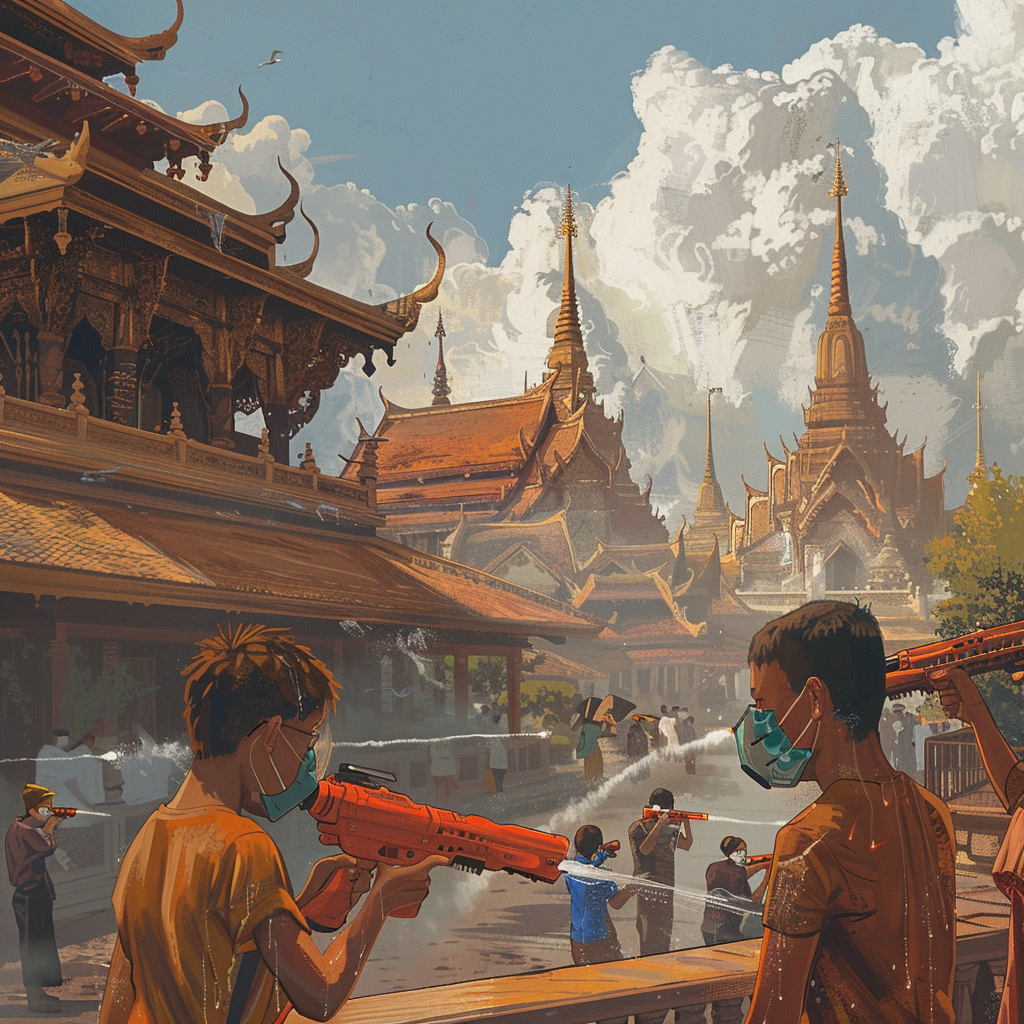
Welcome to Chiang Mai, the city where tradition meets a modern paradox, and where, as they gear up for the Songkran water festival, a much less festive cloud hangs over—the cloud of smog. Early Tuesday morning, the beautiful city of Chiang Mai soared to undesirable heights, earning the title of the most polluted place on the globe. This wasn't a trophy anyone wanted to display on their mantle, but according to IQAir rankings, with fine dust levels peeking at 203 microgrammes per cubic meter around 9.20 am, Chiang Mai was labeled "very unhealthy."
In an ironic twist, as the city prepares to welcome the cleansing splashes of Songkran, which runs from Thursday through to next Monday, it’s also grappling with this atmospheric grime. Songkran, known for its water-fights and festive spirit, sees Chiang Mai transformed into a playground for locals and tourists alike. However, this year, it's not just about dodging water balloons but also the perilous air quality.
To combat the creeping smog, Chiang Mai governor Nirat Pongsitthithavorn, in a strategic move akin to a game of chess, declared seven districts as disaster zones—excluding the Muang district, amid the most afflicted by pollution. This maneuver, while sparking debate, opens the gates for emergency aid to flow into Fang, Phrao, Chiang Dao, Mae Taeng, Chaiprakarn, Mae Ai, and Wieng Haeng districts like a well-needed deluge.
With the smoggy shroud showing no signs of lifting, a temporary shift to remote working until Thursday was declared. The advice for locals and visitors was clear: minimize outdoor activities and don a mask if stepping outside—turning Chiang Mai into a ghost town just before its biggest party of the year.
At a press conference that felt more like a scene from a political drama, Governor Nirat faced pointed questions about playing down the severity of Chiang Mai's air quality and its impact on respiratory health. He vehemently denied such accusations, asserting that transparency was the order of the day. All the while, Pita Limjaroenrat, a prominent political figure, openly criticized the response as being selective, hinting at a cloud of discontent brewing over the city’s management of the crisis.
The grim shadow of pollution wasn't just looming over Chiang Mai. Nearby northern provinces like Lamphun, Lampang, Phayao, Nan, Chiang Mai (again, for emphasis), and Mae Hong Son found themselves riding the coattails of their infamous neighbor on the list of high PM2.5 dust levels. However, they have, so far, managed to avoid the worst of it.
With Songkran at the doorstep and the air thick with more than just anticipation, weather forecasters joined the chorus of concern. They issued an alert signaling possible summer storms sweeping through the northern, northeastern, and central regions, including Chiang Mai, up until Thursday. These expected storms, while a glimmer of hope, could offer a brief respite from the pollution, cleansing the air just in time for the water festival.
Chiang Mai sits at a crossroads, with its vibrant Songkran festivities shadowed by environmental concerns. As the city braces for potential summer storms that promise to clear the air, both literally and metaphorically, it’s a stark reminder of the balance between preserving traditions and nurturing our planet. Let’s hope Chiang Mai can rise above the smog, making this Songkran one where the only masks worn are those of revelry, not of necessity.



Comment verification
Step 1 of 3
Verify your email once to publish your comment. Your email is never shown publicly.
Enter the 6-digit code sent to .
Choose the display name shown next to your comments.