Chiang Rai's Riverside Revival: Buayloei Srichot's Battle Against Contamination Fears in 2025
The serene allure of Chiang Rai's riverside has always been a beacon for tourists seeking a slice of tranquility coupled with delectable Thai cuisine. Yet, as of late, the area once vibrant with laughter and the…
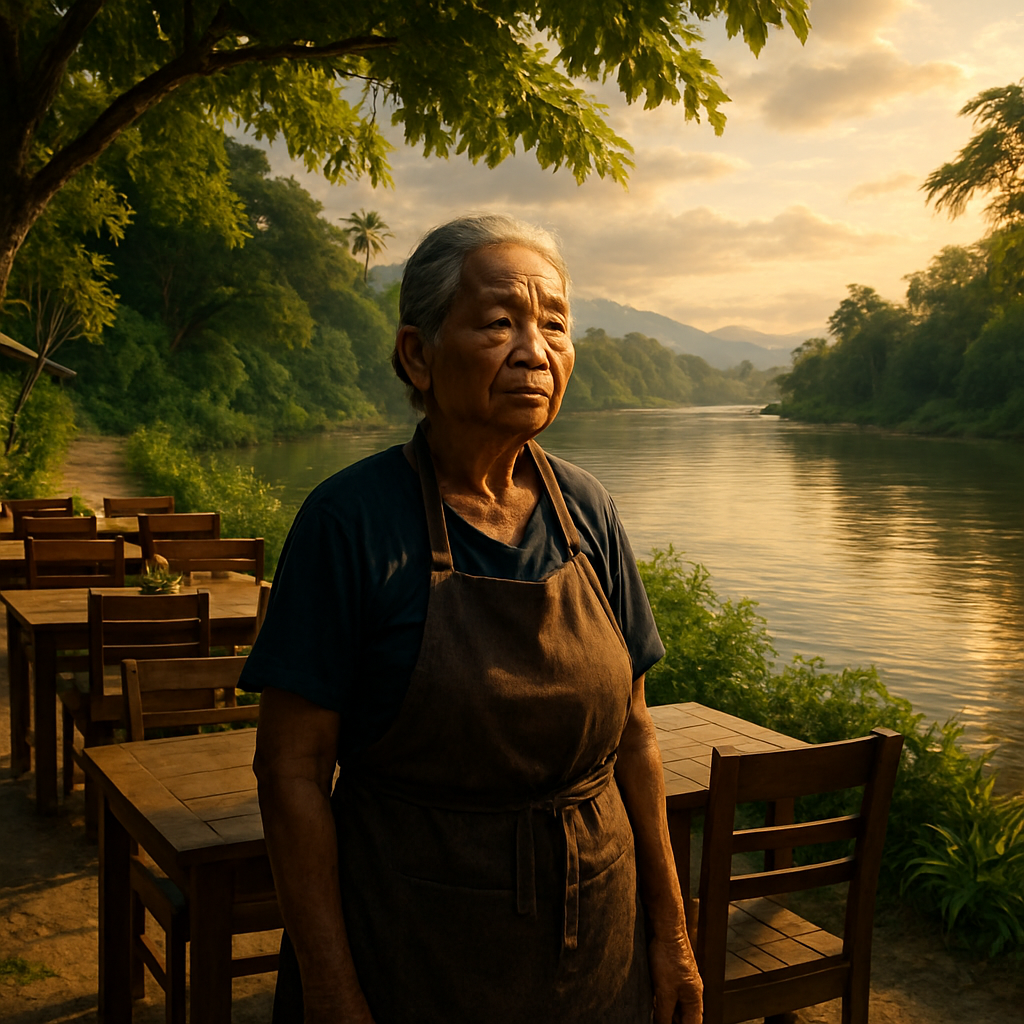
The serene allure of Chiang Rai's riverside has always been a beacon for tourists seeking a slice of tranquility coupled with delectable Thai cuisine. Yet, as of late, the area once vibrant with laughter and the clinking of glasses has met with an eerie quietude that hangs over its picturesque landscape as if time has pressed pause.
At Ban Pang Ngiu in the Mueang district, the familiar clatter of cutlery and the fragrant aromas wafting along the Kok River have all but disappeared. A feared contagion seems to plague the water itself, though not by any biological means—it's arsenic. Concerns over contamination have erased the bustling crowds, leaving behind only echoes of better days.
For Buayloei Srichot, a stalwart in the riverside dining scene since 1992, these changes have been nothing short of a personal tempest. At the age of 72, she has weathered many a storm, but the aftermath of recent scares has proven uniquely challenging. Despite her best efforts to spruce up her beloved eatery, skimming away overgrown weeds and dusting off forgotten seats, patrons remain elusive.
"Back in the day," she reminisces, "Songkran was the highlight—the crowds, the joy, the winds carrying the scent of sizzling spices. We thrived by these waters, making thousands of baht daily." Indeed, the river was the lifeblood of her establishment, bringing with it the hope and prosperity which are now but memories on the breeze.
Reports of arsenic levels marching higher like an indomitable army since April have scared tourists away from these banks, leaving the Chiang Rai Beach area, once under the watchful care of the Rob Wiang subdistrict's administrative body, as barren as a forgotten relic. Most vendors have shuttered their doors, their hopes dimmed, and their debts mounting—a residual testament to a bustling season that never came.
The personal toll has been steep. Depression settles over the riverside like a cloud that refuses to dissipate. Vendors, though untouched by the river's chemical woes on their land perches, are unfairly burdened with public perceptions. Money borrowed with visions of Songkran largesse can't be repaid, and the once-lively riverside strolls are now unheard echoes on the wind.
Yet, in defiance of despair, Buayloei makes a heartfelt plea. "Come to Chiang Rai Beach," she urges potential visitors. Her voice is a blend of earnest hope and stubborn resilience—the mix that has kept her standing through three decades of flux. "Our restaurants are on solid land, far from any danger. The food, it's delicious; the view, unparalleled! And on a good day, the breeze is a river's own song." Her call to patrons is as dire as it is humble: help us live, help us pay the rent.
Reflecting on her years, Buayloei sees a future fraught with uncertainty—the kind that tests the mettle of one's spirit. With every table set and every dish prepared, she offers comfort to the Kok River, standing as proof that community and not contamination should define this serene slice of Thailand.
As Chiang Rai stands at this crossroads, balancing its beautiful vistas against unseen pressures, Buayloei’s restaurant remains a bastion of hope—a place where locals and soon, perhaps tourists, can again bask in the natural beauty and community spirit that aren’t just the heart of a place, but the soul of those who call it home.



Comment verification
Step 1 of 3
Verify your email once to publish your comment. Your email is never shown publicly.
Enter the 6-digit code sent to .
Choose the display name shown next to your comments.