Chontaros Sukdayotin's Brave Exposure of Police Training Hardships Sparks Royal Thai Police Action for Mental Health
In a world where toughness is often equated with physical strength and resilience, the story of Pol L/Cpl Chontaros Sukdayotin, a 25-year-old newly recruited policewoman, unfolds - reminding us that the path to becoming…
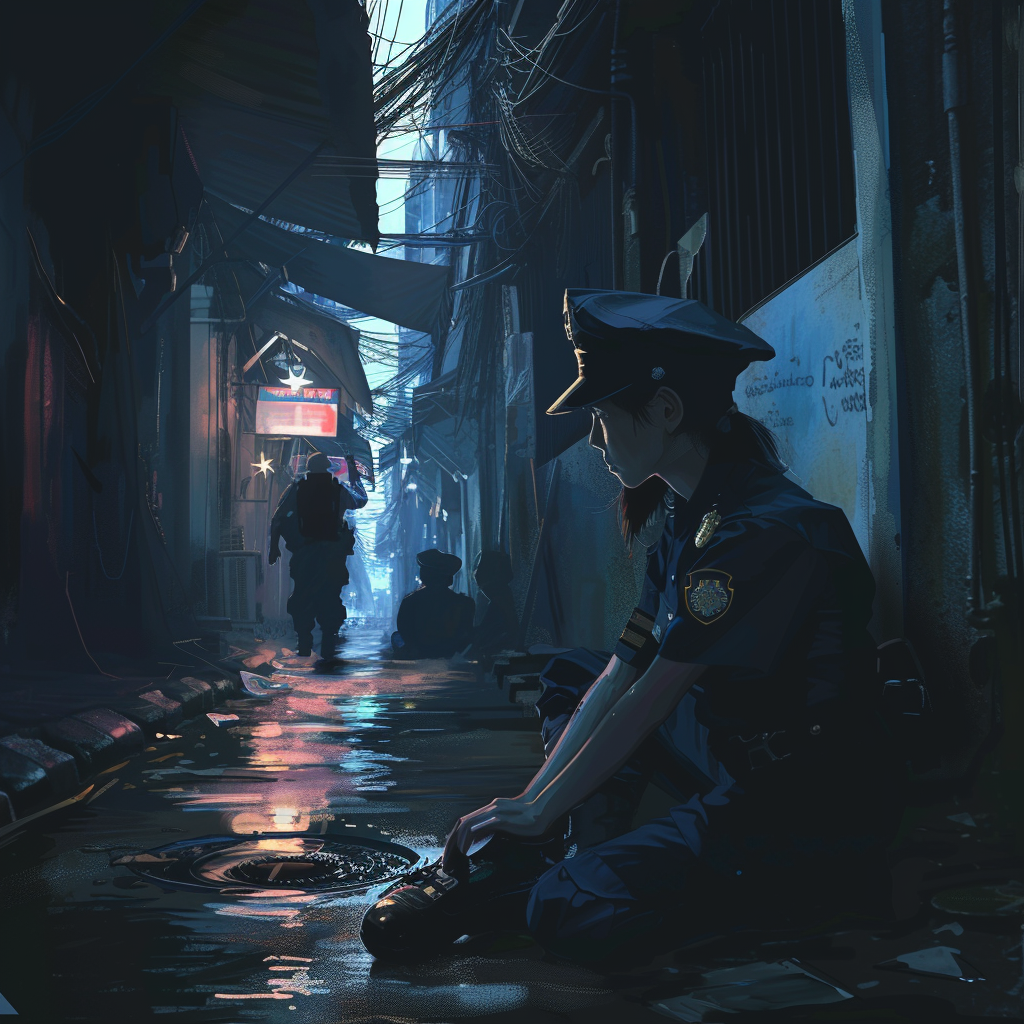
In a world where toughness is often equated with physical strength and resilience, the story of Pol L/Cpl Chontaros Sukdayotin, a 25-year-old newly recruited policewoman, unfolds - reminding us that the path to becoming a protector of peace can sometimes veer into unforeseen darkness. Late one Sunday night, against the backdrop of the digital cosmos, Chontaros shared her harrowing journey through the labyrinth of police training on her Facebook page. It wasn’t just any post; it carried the weight of despair, painting a picture of a soul teetering on the edge of oblivion.
The Metropolitan Police Bureau, upon catching wind of this distress signal in the virtual realm, sprung into action. Spearheaded by the compassionate Pol Lt Gen Archayon Kraithong, the Royal Thai Police Office set the wheels of justice and empathy in motion. Their aim? To tread carefully into the storm that had engulfed one of their own. Pol Lt Gen Archayon, with a voice laden with solemnity, announced that Chontaros was not battling her demons alone. Her cry for help had been heard, an investigation promised, and a beacon of support lit amidst the shadow of her struggles.
Chontaros' narrative was not just a distress call but an expose of the trials she faced in the crucible of police training. An accidental kick to the head by a colleague at Camp Naresuan in Phetchaburi province was merely the prelude to a series of punishing trials. Those charged with moulding her into a guardian of the law chose a path lined with physical and mental torment. Ropes became instruments of pain, headstands a test of endurance, and sleepless nights a norm - all in the name of discipline.
The toll on Chontaros was profound. In her poignant confession, she spoke of her battle with depression, a formidable foe that emerged from the shadows of her training. Despite her valiant efforts, the badge of honor she aspired to wear was replaced with the heavy cloak of mental illness. She had dreamt of serving and protecting, yet found herself grappling with a reality where her aspiration and wellbeing were in conflict.
In a heart-wrenching revelation, Chontaros expressed a desire to bequeath her earthly possessions to her mother and offer her body to the realm of medical study – a testament to her pain and a final act of service to humanity.
Yet, amidst the darkness of her narrative, there lies a glimmer of hope. The Royal Thai Police’s response, underlined by an empathetic investigation and the provision of mental health support, signals a readiness to confront the specter of depression that haunts many within its ranks. Programs like "Depress We Care" and the 24/7 hotline manifest the institution’s acknowledgment that the strength of the force is measured not just by physical prowess but by the mental health and unity of its members.
As Chontaros’ story ripples across the digital ether, it serves as a beacon for change, illuminating the oft-overlooked aspect of law enforcement training. Her courage to share opens the dialogue on the necessity of nurturing not just the body but also the mind. In the end, Chontaros’ journey may very well be the catalyst for a paradigm shift, where the badge of a police officer is synonymous with resilience, compassion, and an indomitable spirit that thrives in the face of adversity.



Comment verification
Step 1 of 3
Verify your email once to publish your comment. Your email is never shown publicly.
Enter the 6-digit code sent to .
Choose the display name shown next to your comments.