Chousak Sirinil Proposes Unity for Charter Rewrite: Thailand's Constitutional Court Role
As the sun sets and the night sky envelops Bangkok, the Democracy Monument stands resplendent, bathed in lights that draw the eye and the heart to its towering elegance. This iconic structure has witnessed countless…
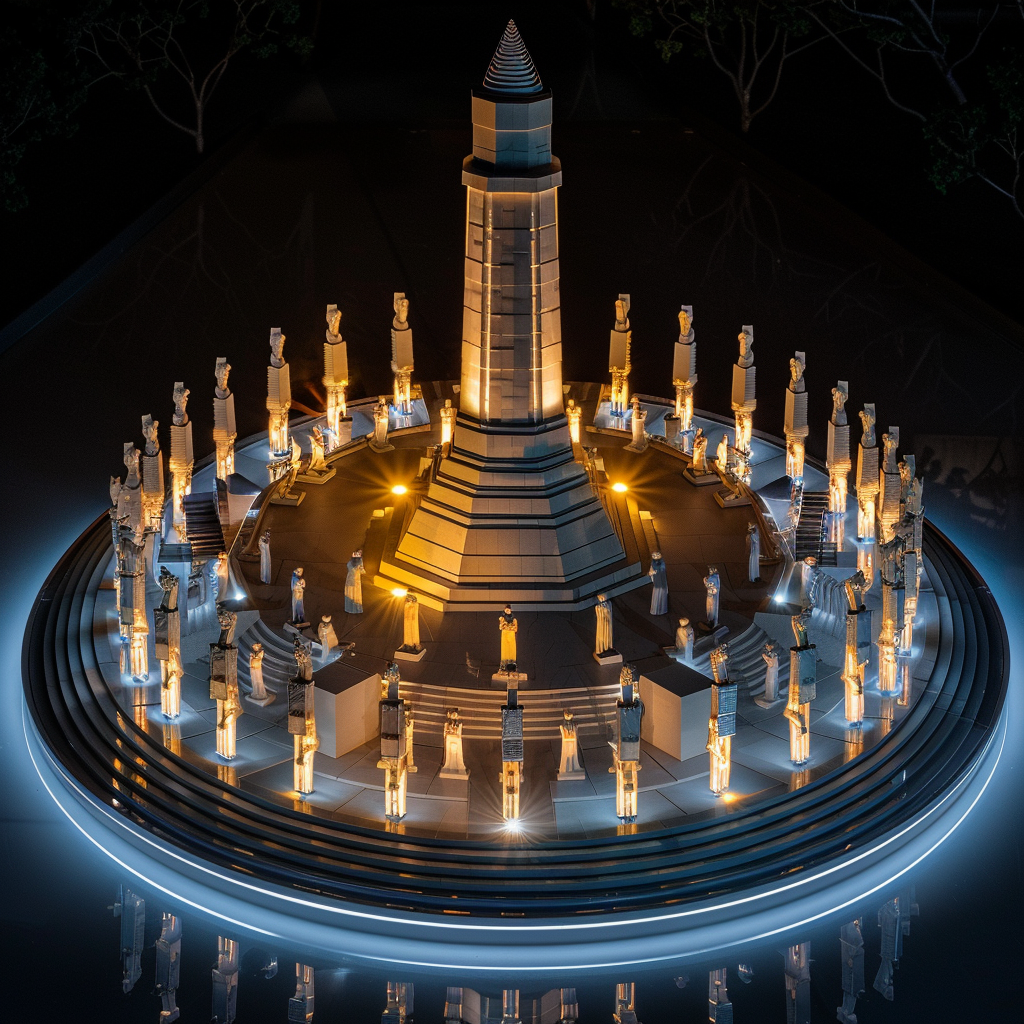
As the sun sets and the night sky envelops Bangkok, the Democracy Monument stands resplendent, bathed in lights that draw the eye and the heart to its towering elegance. This iconic structure has witnessed countless historical debates, and today, its glow serves as the backdrop for yet another pivotal chapter in Thailand's political saga.
In an interesting twist, on Thursday, Pheu Thai Party's deputy leader, Chousak Sirinil, rolled out a fresh proposal aimed at harmonizing various political factions. His radical idea? Uniting the government, opposition, and Senate whips to jointly approach the Constitutional Court. Their quest? To unearth the elusive answer to a burning question — just how many referendums are required for a comprehensive charter rewrite. A timely intervention, this suggestion precedes the parliamentary showdown set to unfold on February 13-14, when over a dozen charter amendment bills will face their inaugural reading on the floor.
These debates are far from mundane, with a backdrop painted in shades of political drama. Most bills advocate for section-by-section tweaks, but two audacious proposals — one from the ruling party and another from the main opposition, the People's Party (or PP, if you're into brevity) — audaciously aim to overhaul the entire charter. And yes, such daring moves inevitably call for referendums to validate their democratic essence.
The grand conundrum, however, is how many referendums must be orchestrated for these all-encompassing amendments to earn their lawful benediction. Enter the Constitutional Court, stage left. According to Mr. Chousak, a ruling is not just a suggestion; it's pretty much a legislative lifeline. Citing Section 210 of the charter, he pointed out that either MPs or senators could march right up to the court with a petition seeking clarity. Whether this petition should precede or follow the mega-debate remains a trivial detail, according to him, especially since these amendment bills have already landed on the parliament's agenda with the gentle urging of its president, Wan Muhamad Noor Matha.
The bills in question owe their 'referendum-necessary' status to a 2021 Constitutional Court decision that shook the political landscape. The court's wisdom declared that the people — those formidable figures who wield the power to birth a new constitution — must first opine on whether they even want a new charter in the form of a referendum. A smattering of historical context: a bill intended to pave the way for a charter drafting assembly (affectionately known as CDA) had a rather melancholic ending. Failing to gather sufficient cheerleaders in both the House and Senate, it was given a teary farewell during its third and final reading.
Still, that landmark 2021 ruling left a gaping vagueness — exactly how many rounds of joyful (or not) public proclamations were necessary? Two camps emerged: the ‘two-rounders,’ who argue that a pair of referendums would suffice; and the ‘three-rounders,’ who, perhaps subscribing to the adage of ‘better safe than sorry,’ insist on a trio of these civic exercises.
The advocates of two-rounds have a streamlined vision: Round one asks if folks fancy a charter revamp, and should love be in the air, round two locks in their stamp of approval on the newly minted version. The more meticulous three-round supporters propose an additional step: gauging opinions on whether Section 256 should usher in a CDA, before progressing to the final approval stage.
Mr. Chousak firmly believes that a conclusive ruling from the Constitutional Court would dispel the fog of ambiguity, providing reassuring clarity to MPs and senators teetering on the brink of political indecision. The fear of entangling themselves in legal snares may keep some lawmakers away from the charter amendment discussion table, but a definitive court verdict could act as a reassessment of their stance.
Still, amidst this haze of political maneuvering, a little suspense lingers. Which draft will ultimately ascend the political throne? Will it be the brainchild of Pheu Thai's vision, or will the PP-sponsored script steal the show? Only time and parliamentary debates under the watchful eyes of Democracy Monument will tell.



Comment verification
Step 1 of 3
Verify your email once to publish your comment. Your email is never shown publicly.
Enter the 6-digit code sent to .
Choose the display name shown next to your comments.