Commerce Minister Pichai Naripthaphan Proposes Bananas as Profitable Alternative for Thai Rice Farmers in 2025
In an interesting twist of governmental agricultural strategy, Commerce Minister Pichai Naripthaphan has thrown his hat into the ring with an intriguing suggestion: rice farmers should consider bananas as a viable…
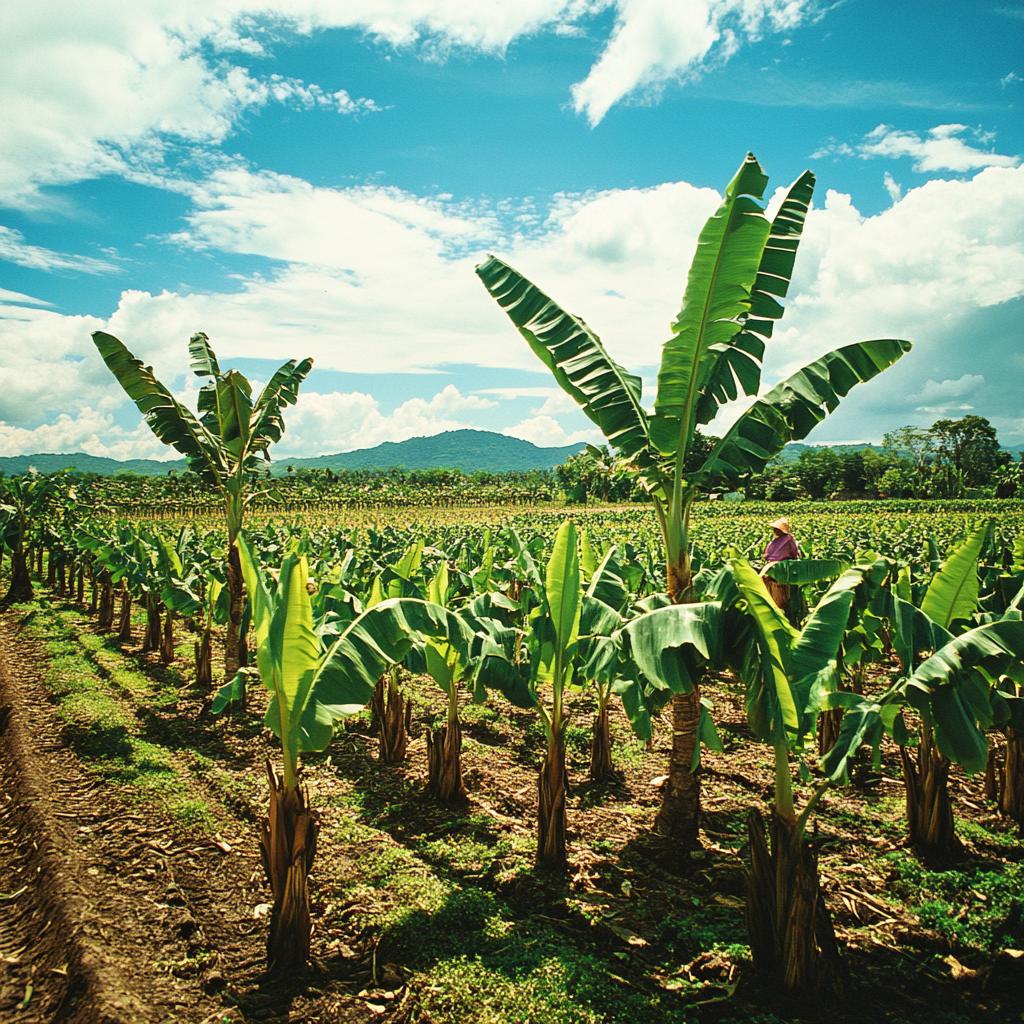
In an interesting twist of governmental agricultural strategy, Commerce Minister Pichai Naripthaphan has thrown his hat into the ring with an intriguing suggestion: rice farmers should consider bananas as a viable income booster. Amidst a challenging landscape where rice prices seem to be trapped in a downward spiral, Minister Pichai, on a recent Thursday, laid out a somewhat unconventional plan in response to a query by People's Party MP Narongdech Ularnkul regarding the protection of rice market prices.
"Rice prices are trending downward due to an unfortunate oversupply," Minister Pichai acknowledged candidly, before launching into his practical proposal, "We are actively exploring other high-value crops that farmers could cultivate for profit." Among these lucrative alternatives, bananas have emerged as a top contender. Why bananas, you might ask? Well, it turns out that these tropical delights not only yield abundantly but also enjoy formidable demand overseas, including Japan's voracious market, which, rumor has it, craves nearly a million tonnes annually!
Currently, Thailand's banana yield stands at a modest 8,000 tonnes per year, with approximately 2,000 tonnes earmarked for export. Minister Pichai visioned this as a "substantial opportunity" for Thai farmers to cash in on the global banana fanfare. However, as with many government-backed endeavors, there's a flicker of doubt from the opposition desk. Mr. Narongdech, wielding a healthy dose of skepticism, urged consultation with the Agriculture and Cooperatives Ministry before nudging those hardworking rice farmers to trade paddy fields for banana groves.
His critique didn't end there. He expressed concern that Minister Pichai’s banana brainstorm seemed to sidestep the central issue — showing tangible support for rice farmers. To muddy the waters further, he pointedly commented on Finance Minister Pichai Chunhavajira's appointment as the orchestrator of the National Rice Policy and Management Committee, a prestigious post traditionally held by the country's premier. "Doesn't our Generation-Y prime minister care about the backbone farmers of our country?" he pondered rhetorically, stirring the pot of political intrigue.
Meanwhile, Minister Pichai reassured that the government had not entirely unhitched its wagon from rice. Efforts to release rice stockpiles through strategic sales agreements with countries across Africa and juggernauts like China were underway. Furthermore, the commerce ministry plans dialogues with India and Vietnam, aiming to pump the brakes on rice's price descent.
On the chalkboard, too, is a draft proposal delivering an encouraging pat on the back to off-season rice cultivators with an additional 1,000 baht per tonne incentive. This assistant in subsidy apparel is scheduled for cabinet presentation in mere weeks.
It's a delicate balancing act, no doubt. Presently, the Internal Trade Department foresees farmers pocketing approximately 9,500 baht per tonne, a figure that's far from satisfying. In this multifaceted tapestry of rice and bananas, we await the ensuing chapters — whether bananas can truly supplement, or indeed replace, the staple grains that have long been the heart of Thailand’s agrarian economy.



Comment verification
Step 1 of 3
Verify your email once to publish your comment. Your email is never shown publicly.
Enter the 6-digit code sent to .
Choose the display name shown next to your comments.