Election Commission's Bold Move: Exclusive Jurisdiction Over Senate Election Collusion Case
In the intricate tapestry of political dynamics, there's a riveting saga unfolding that promises to stir intrigue and debate across the nation. Today's buzz surrounds the Election Commission (EC) and its bold move in…
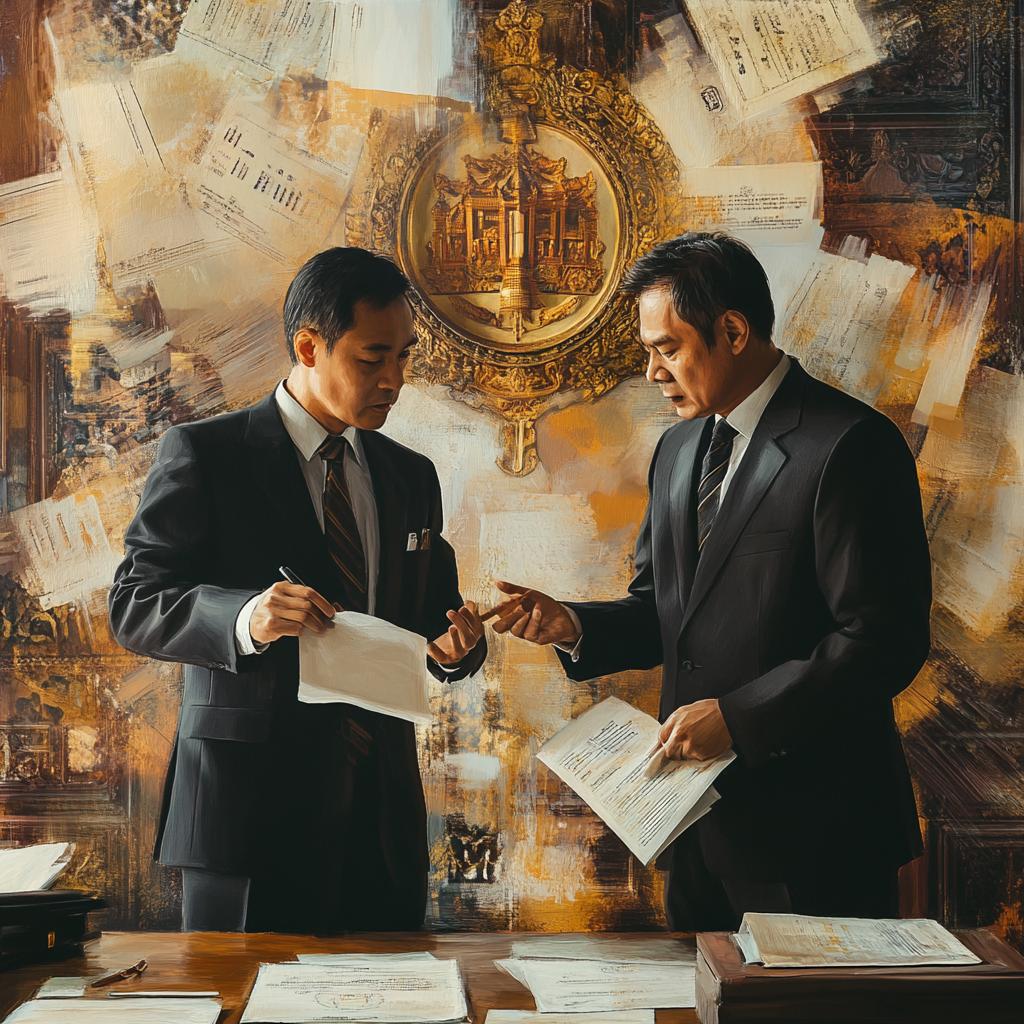
In the intricate tapestry of political dynamics, there's a riveting saga unfolding that promises to stir intrigue and debate across the nation. Today's buzz surrounds the Election Commission (EC) and its bold move in declining to attend the Department of Special Investigation's (DSI) special cases board meeting. This isn't just any meeting—it's the highly anticipated gathering meant to deliberate on potential collusion in last year's Senate election. As of yesterday, whispers from within suggest the EC is playing its cards strategically, opting instead to send a firm letter to the board asserting its exclusive jurisdiction over the case.
This development comes on the heels of a Tuesday meeting where the EC flexed its institutional muscle, reminding all parties involved that it retains the authority to probe such allegations under the organic law on the Election Commission. This revelation throws quite a spin on the ongoing narrative, as the board, under the capable stewardship of Deputy Prime Minister Phumtham Wechayachai, was previously expected to deliver a verdict on February 25. Alas, the timeline was deferred, granting space to dissect the intricate legalities involved.
Deputy Prime Minister Phumtham has chosen to keep his comments close to his chest for now. In a cryptic yet strategic silence, he noted he'd rather reserve his insights until the gears of the meeting are fully in motion. It's the classic case of strategic diplomacy, waiting for the curtains to rise before the next act of this political theatre begins.
Diving into the core of the allegations, the drama stems from grievances voiced by a cohort of unsuccessful Senate hopefuls. Amongst them are individuals from the reserve list, calling foul play, lamenting the EC's purported inertia. Their ire is largely directed towards "blue bloc" senators—a faction supportive of the Bhumjaithai Party, known for its coalition government ties. The air is thick with insinuations of vote-fixing and backdoor maneuvers, painting a colorful, albeit contentious, political landscape.
Senator Chattrawat Saengphet, who initially hurled pointed criticisms in parliament, suggesting the DSI board might be overreaching its mandate, has since backpedaled. In what can only be described as a classic political pivot, he emphasized he wasn't leveling accusations just yet, merely expressing hypothetical concerns about the democratic equilibrium potentially being disrupted.
Meanwhile, the political cauldron simmers further with red-shirt leader Jatuporn Prompan stirring the pot. He implied that a board decision against handing the case to the DSI could be symptomatic of waning government influence—a provocative statement that underscores the high stakes in these proceedings.
In the grand theatre of governance and power, today's developments add yet another layer of complexity and speculation, leaving citizens and political observers eagerly awaiting the next act. As the EC and DSI navigate this maze, the nation watches closely, knowing the decisions made could significantly tip the scales of political fortune.



Comment verification
Step 1 of 3
Verify your email once to publish your comment. Your email is never shown publicly.
Enter the 6-digit code sent to .
Choose the display name shown next to your comments.