Ethnic Uyghurs Detention in Thailand: Urgent Calls Against Deportation and Human Rights Advocacy
Picture this: A quiet yet tense scene unfolds near the Thai-Malaysian border, like a moment suspended in time, where hopes of a new beginning clash with an unresolved past. In a photograph taken in March 2014, we see a…
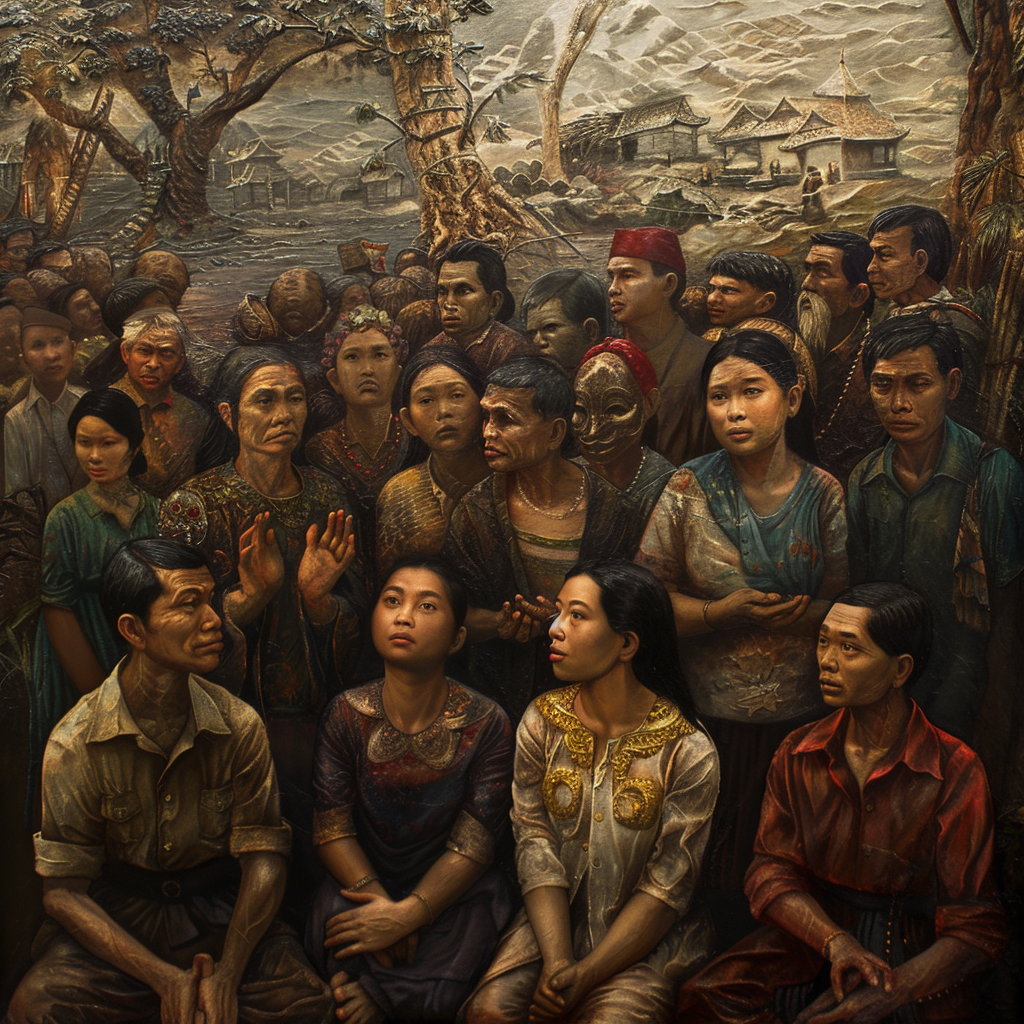
Picture this: A quiet yet tense scene unfolds near the Thai-Malaysian border, like a moment suspended in time, where hopes of a new beginning clash with an unresolved past. In a photograph taken in March 2014, we see a group of over 200 ethnic Uyghur asylum seekers. Among them, some have been arrested, as if captured in the sepia-toned memories of an era defined by struggles and unfulfilled aspirations.
The Royal Thai Police (RTP), wrapped in the cloak of authority, has rigidly refuted claims of deporting a group of 48 Uyghur men to China, accusations echoing loudly from the halls of human rights advocates. These men, ghostly figures in a narrative of displacement, have reportedly been incarcerated since 2014 after seeking refuge by fleeing China's Xinjiang province—a land painted with both the beauty of its rich culture and the shadows of its political landscape.
Amidst the echoing corridors of justice and human rights, the International Immigration Bureau (IB) headquarters stands as the custodian of 43 of these seekers, while the remaining five are held in the solemn isolation of Thai prisons. It is a scene begging for resolution, a modern-day chiaroscuro where Human Rights Watch has stepped forth, issuing an urgent statement: let not these souls be returned to a perilous embrace where their safety is but a flickering candle in a stormy night.
National Police Chief, Pol Gen Kittharath Punpetch—a name as complex as the issue at hand—calmly reassures that no whispers have reached his ears regarding a plot to deport the Uyghurs. The delicate dance of diplomacy and security is a performance that will involve a meeting of minds with the National Security Council (NSC). "Thailand," says Kittharath, "is not a mediator in any legal wrangling; nonetheless, we stand ready to offer assistance should embassies or agencies beckon." A statement crafted with the precision of a diplomat carefully treading the waters of international relations.
Enter Senator Angkhana Neelapaijit, clasping a petition tightly in her hands, a beacon of empathy and justice. It is not her plea, but that of Chalida Thacharoensak, chairman of the People's Empowerment Foundation, demanding enlightenment on the Uyghurs' confinement—a demand for light to pierce through the murky veils of uncertainty.
The Senate committee had previously sought to visit the detained Uyghurs, to glimpse their world and hear their stories. Yet, the committee found itself adjourned instead to a meeting orchestrated by the bureau—an invitation that seems both an offering and a slight evasion of the spotlight.
With a cautionary warning, Sen Angkhana directs a gaze toward the government, reminding it of the fine line it treads. Human rights violations can ignite a fury wildfire, one that could consume diplomatic relations. She vows that the committee will reiterate its request to see the detained individuals, a commitment echoing the urgency of a humanitarian symphony.
As the plot thickens, Rushan Abbas, president of the World Uyghur Congress, enters the scene alongside Fair Party list Member of Parliament Kannavee Suebsang. Their mission: to present a heartfelt plea against any semblance of deportation plans. Kannavee articulates the importance of crafting a considered and humane government response, suggesting that diplomatic ramifications could ripple across borders where human rights are a currency of moral integrity.
"We want to see our country take a stand," Mr. Kannavee insists, envisioning a future where Thailand is remembered as a compassionate player on the world stage. With all eyes watching, the world waits with bated breath to see how this intricate tapestry of human lives, political chess moves, and compassionate advocacy will unfold, each stitch holding the hopes of many and the honor of nations.



Comment verification
Step 1 of 3
Verify your email once to publish your comment. Your email is never shown publicly.
Enter the 6-digit code sent to .
Choose the display name shown next to your comments.