Heavy Metals Contamination in Chiang Mai and Chiang Rai Rivers Raises Environmental Concerns
In a disconcerting turn of events, the pristine beauty of Chiang Mai and Chiang Rai now masks an alarming environmental issue as unsafe levels of heavy metals have insidiously seeped into the Kok, Mekong, and Sai…
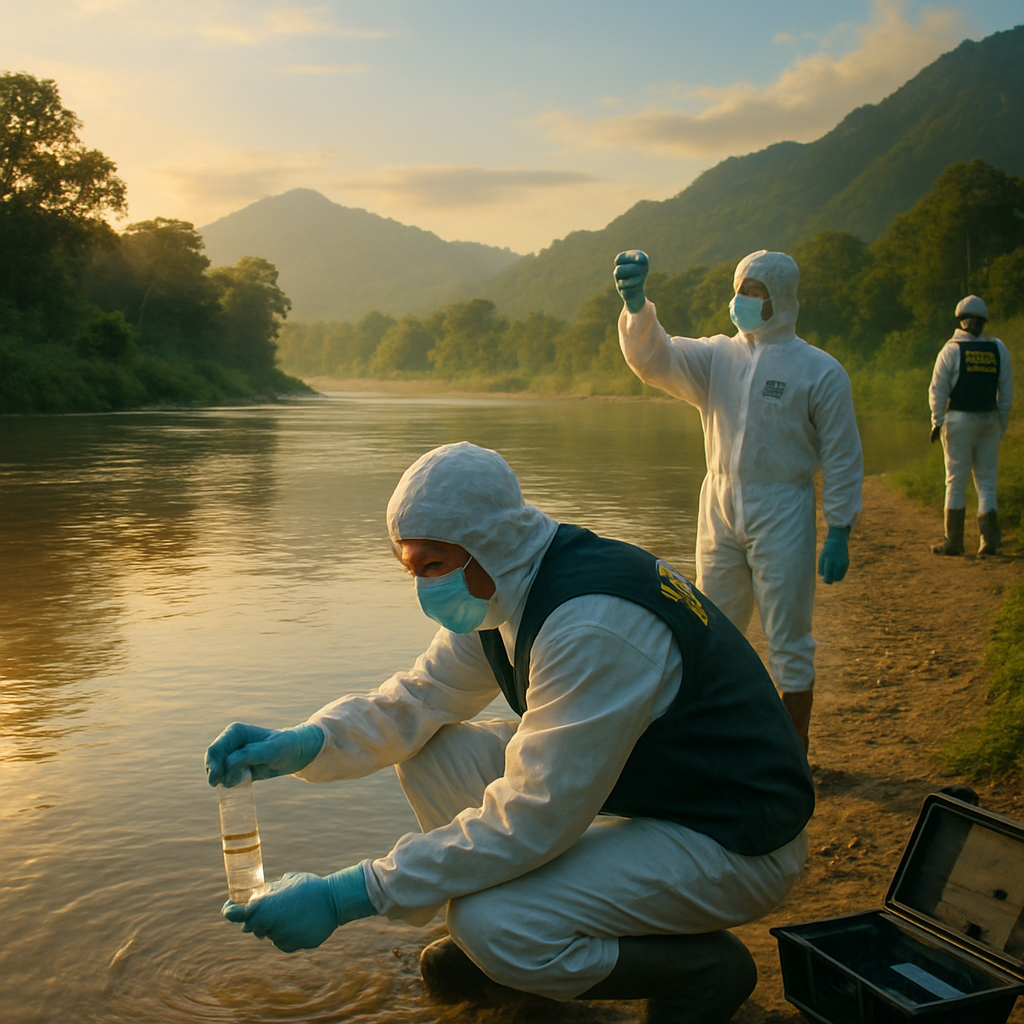

In a disconcerting turn of events, the pristine beauty of Chiang Mai and Chiang Rai now masks an alarming environmental issue as unsafe levels of heavy metals have insidiously seeped into the Kok, Mekong, and Sai rivers. It’s like a whodunit mystery, but the potential culprit resides outside Thailand's borders – environmental pollution whisking its way like an uninvited guest, leaving a toxic calling card. These findings surfaced after a dedicated team of environmental officials, led by Health Deputy Permanent Secretary Dr. Weerawut Imsamran, embarked on a mission to uncover what was lurking beneath the otherwise tranquil waters.
It all unraveled on that fateful first two days of May, when the team dived into an aquatic inquiry, probing the waters with their sophisticated equipment. At every point they examined, arsenic and lead were hiding in plain sight, particularly rampant in spots spread across both the northern provinces. If you were planning on casting out a fishing line for dinner, you might want to think twice. Consuming fish from these contaminated areas could lead to nerve disorders, eerily numb hands and feet, vanishing waistlines as skin thickens and darkens, and even an irregular heartbeat. Yes, it's as menacing as it sounds.
Bringing this home, Dr. Weerawut advised that while their team races against time to investigate arsenic's sneaky infiltration into the food chain over the coming months, residents should scrupulously wash vegetables and fruits. This piece of wisdom might well be the line of defense you didn’t realize you needed.
Aweera Pamat, the captain at the Environmental and Pollution Control Office 1, marshaled his team to meticulously collect surface samples over a journey of 157 kilometers along the Kok River, meandering its way from Myanmar through Chiang Mai and Chiang Rai. The days between April 21-24 were pivotal, as nine out of twelve spots tested brimmed with arsenic. Three of these hot spots were nestled in Chiang Mai's Mae Ai district, while the rest were in Chiang Rai’s buzzing Muang district. Despite the formidable findings, the finger-pointing within Thailand has yielded no likely suspects among the domestic factories, mines, or even the labyrinthine wastewater treatment setups and expansive farms.
Mr. Aweera assures residents that tap water, despite the grim undercurrent, remains a safe oasis for consumers. The saga echoes a deeper, often hushed truth about heavy-metals; their ominous dance often originates from mining waste, a fact even Agatha Christie might consider a plot twist too real.
Thus, carries on the tail of an elemental manhunt to determine how these pollutants have swum their way to our doorstep. Under the vigilant eyes of the Department of Disease Control and Health, the coming months may finally unravel this web of environmental intrigue, bringing clearer waters and peace of mind back to Thailand’s enchanting north.



Comment verification
Step 1 of 3
Verify your email once to publish your comment. Your email is never shown publicly.
Enter the 6-digit code sent to .
Choose the display name shown next to your comments.