Heroic Lifeguard Arm Saves French Tourists from Rip Currents at Phuket's Kata Beach
Kata Beach, nestled along the stunning shores of Phuket, recently became the backdrop for a harrowing lifeguard rescue that tinged a picturesque holiday scene with danger. It was just another sun-drenched Friday…
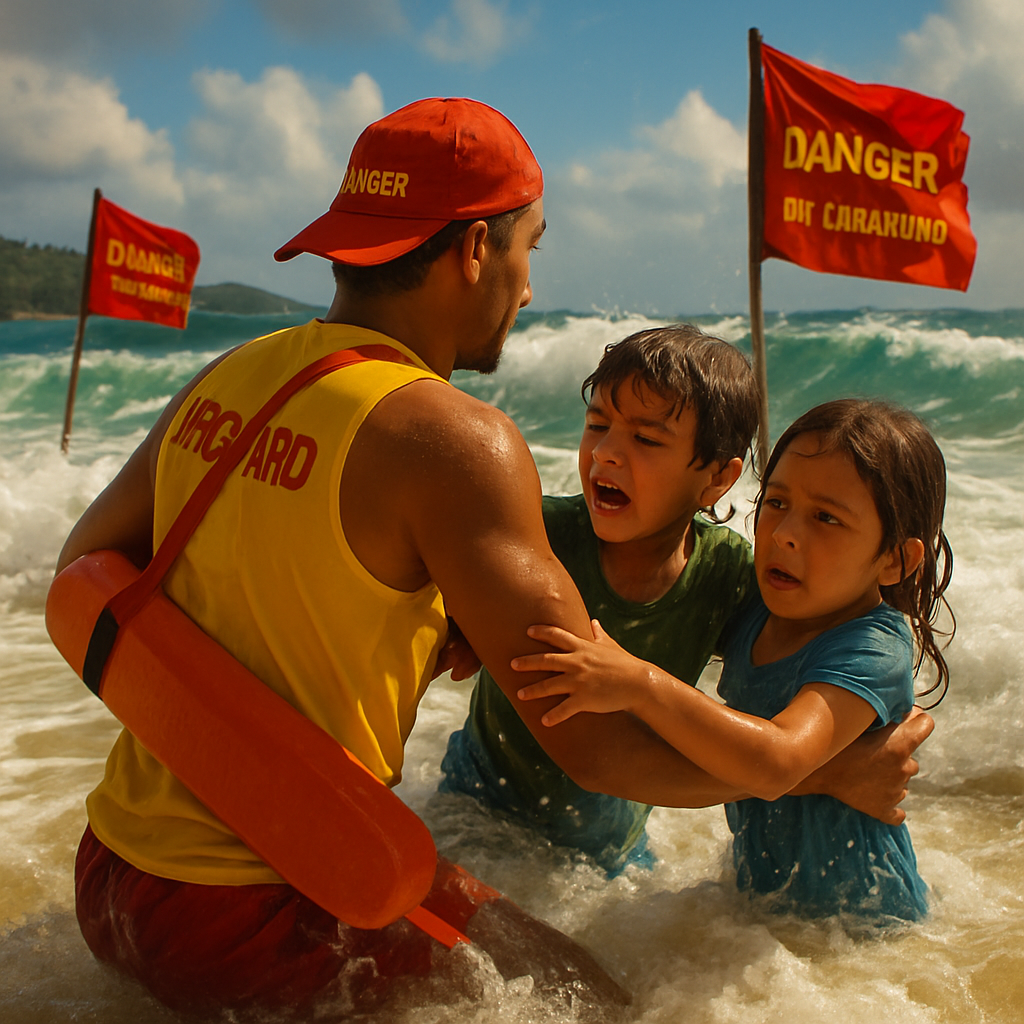
Kata Beach, nestled along the stunning shores of Phuket, recently became the backdrop for a harrowing lifeguard rescue that tinged a picturesque holiday scene with danger. It was just another sun-drenched Friday afternoon on July 11th, when two young French tourists found themselves caught in a terrifying dance with the ocean's invisible menace—rip currents.
Amidst a serene tableau of sunbathers dotting the beach like specks on a canvas, a vigilant lifeguard named Arm was scanning the waters with an eagle eye. Suddenly, his gaze snagged on two figures—a boy and a girl—floundering against the strong pull of the current. The situation was dire; the red flags lined along the beach, fluttering like frantic sentinels, warned of perilous conditions that day.
The children, a 12-year-old boy and his younger sister, were oblivious to the unfolding drama, giggling as they were pulled farther away from the safety of the shore. Their parents, blissfully unaware, reclined under the sun, probably dreaming of the perfect getaway.
It wasn’t long before Arm, with the prowess of a seasoned lifeguard, sprang into action. Grabbing a rescue surfboard, he dashed into the foamy embrace of the waves. The water churned like a beast awakened, but Arm, alongside his quick-thinking team, maneuvered through the tumult with an expertise born from countless drills.
Finally, the lifeguards reached the children, who were clutching onto fear as much as to each other. With firm assurance, Arm helped them onto the board, steering them back to terra firma, away from the ocean's sly grasp. Ashamed yet overwhelmed with gratitude, the parents quickly doused their discomfort with a 1,000-baht gesture of thanks.
The incident, captured in a video now weaving its way across social media, highlights an urgent need for enhanced awareness among tourists about beach safety. While the sea often masks its treachery with a serene shimmer, the red flags serve as more than decoration; they are crucial indicators of potential danger. Understanding this flag system became an impromptu lesson for the visitors who had brushed too closely with disaster.
Phuket’s lifeguards like Arm have been tirelessly darting between shores and the deep blue, saving holidaymakers from the heedlessness that vacation bravado often breeds. Last month alone, at Patong Beach, they pulled 86 individuals from the clutches of rip currents that can yank the unwary out to sea with a mere flick of Neptune’s wrist. A handful of these rescues even ended with the rescued being whisked away to hospitals for further care.
The incidents in Phuket are not just isolated splashes on the map of Thailand’s beach safety concerns. Marine stings from jellyfish and occasional meetings with sharp sea creatures add a unique thrill to the island experience—a thrill nobody truly hopes for. Moreover, spontaneous water sports and a dash of intoxicated whims have compiled an extensive log of near-miss experiences that might as well be entries in a daring explorer's diary.
As the sun sets over Kata Beach, painting the sky in hues of gold and vermillion, lifeguards continue their vigilant watch. Through carefree laughter floating across the sand, their eyes remain trained on the surf, ready to defy tides and turmoil. These unsung heroes carry the credo that vacation safety is a joint venture between their skillful diligence and the tourists’ cautious awareness.
So, the next time the stirring allure of Phuket’s beaches beckons with a siren song of leisure, remember: the sea's mood can change with the wind. Respect those humble fluttering flags, foil the ocean’s sneaky snares, and let your holiday stories be of sunlit joys rather than unscheduled ocean adventures.



Comment verification
Step 1 of 3
Verify your email once to publish your comment. Your email is never shown publicly.
Enter the 6-digit code sent to .
Choose the display name shown next to your comments.