Imperial Journey to Mongolia: Emperor Naruhito's Cultural Tribute and Historical Reflection
Their Imperial Majesties recently returned from an enchanting journey to the Heart of Asia, where the vibrant culture and historical ties of Mongolia beckoned them. The Emperor and the Empress embarked on their visit to…
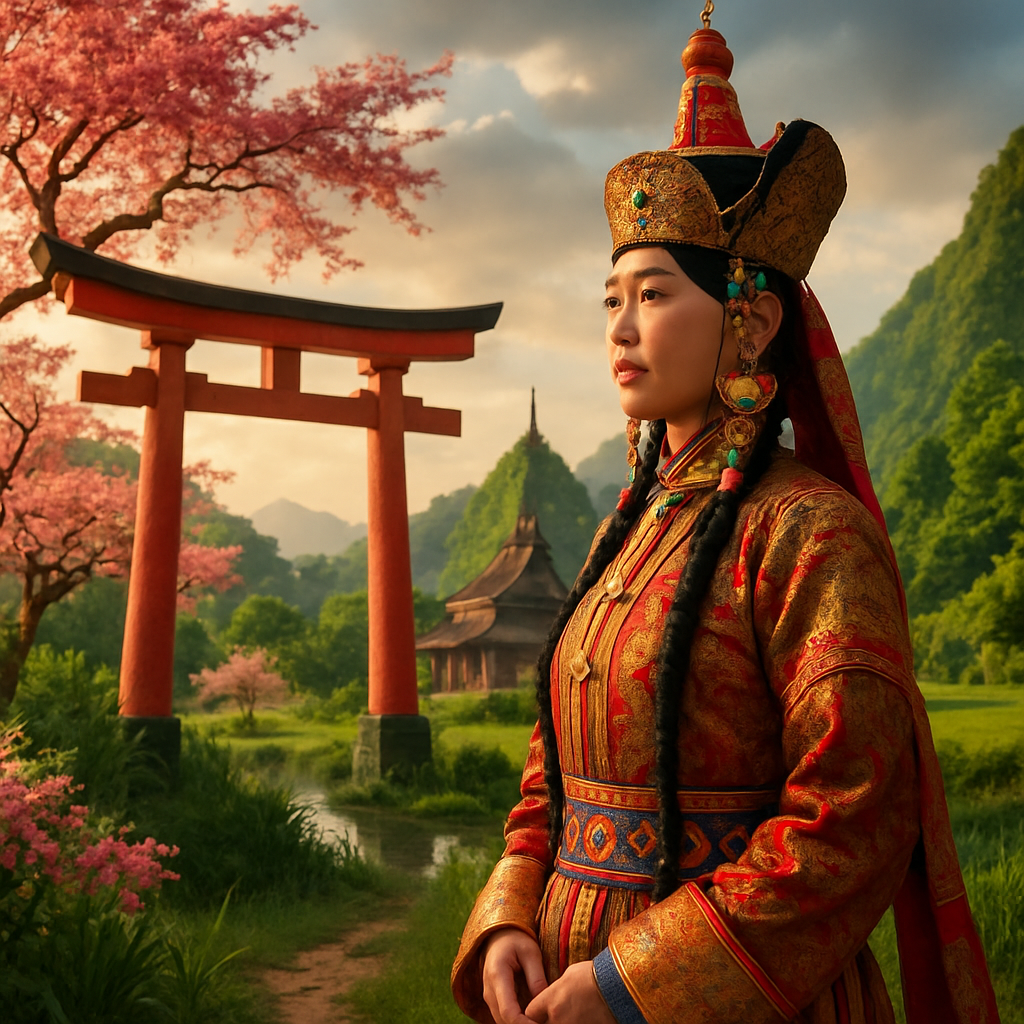
Their Imperial Majesties recently returned from an enchanting journey to the Heart of Asia, where the vibrant culture and historical ties of Mongolia beckoned them. The Emperor and the Empress embarked on their visit to commemorate an essential chapter in the intertwining stories of Japan and Mongolia. Upon their arrival on July 6th at Ulaanbaatar, they were greeted with grace and tradition. A regal Mongolian lady, draped in her traditional garb, graciously offered them aaruul—a savory morsel revered in the local culinary tapestry. The Emperor, in a gesture of appreciation, eagerly partook of the offering, showcasing his genuine respect and affection for Mongolian tradition.
This visit was not merely an exchange of pleasantries. It was a convergence of worlds, as demonstrated by their participation in the opening ceremony of Naadam—a festival where the spirit of Mongolia dances in jubilant celebration. Here, the Emperor crossed paths with President Ukhnaa Khurelsukh and his spouse, strengthening the enduring bridge of friendship between the two nations. Adding a soulful note to the festivities, Emperor Naruhito enchanted audiences by performing on the viola alongside the Mongolian State Morin Khuur Ensemble. His melody, interspersed with his address partially delivered in Mongolian, brought heartfelt applause, indicating the harmonious future awaiting both countries.
Summer showers blessed their visit, weaving a silver lining across the cloud-kissed landscapes of Mongolia. Locals believe rain during such occasions to be a sign of prosperity—a sentiment that parallelled their experiences as they visited the Gandantegchinlen Monastery and the technologically enriched Mongol Kosen College. Here, cultural reverence met educational engagement, underscoring the delegation's intent to foster continuous growth and understanding.
The memory of history, however, weighed heavily on certain moments of their visit. An encounter profound and somber found the Imperial couple standing bowing in unity before the cenotaph erected for Japanese detainees who had perished under the unforgiving skies of Mongolia post-World War II. This marked an emperor's first offering of tribute at such a poignant site, amplifying the once-muted voices of those who never returned. Ms. Fusae Suzuki, a radiant individual of 88 years, stood with them, her presence a living bridge to the past. She was there to honor her father, who never emerged from the shadows of detention. Her words resonated alongside the raindrops, "Their souls can now rest in peace,” she expressed, as the rain mirrored her tears of gratitude.
This visit not only breathed life into historical acknowledgements but also sparked new dialogues. Ulziitogtokh, the visionary behind a museum dedicated to these Japanese souls, reflected on this shared memory. Meeting the Emperor and Empress at Japan’s ambassadorial residence, he noted how the visit illuminated this chapter of history for Mongolian youth, writing new lines in the shared narrative between the nations.
As Their Imperial Majesties concluded their journey, leaving imprints of their visit etched into the cultural tapestry of Mongolia, the significance of their endeavor lingered. It was a testament to bonds that transcend time and tides, weaving colorful threads of hope, respect, and mutual understanding in the rich fabric of our shared humanity.



Comment verification
Step 1 of 3
Verify your email once to publish your comment. Your email is never shown publicly.
Enter the 6-digit code sent to .
Choose the display name shown next to your comments.