Thailand

Judicial Transformation: Sarawut Songsivilai and Pol Capt Sutham Cheurprakobkit Nominated for Thailand's Constitutional Court

In a new chapter for Thailand’s judicial system, the task of filling two vacant seats on the Constitutional Court has turned the spotlight onto two standout figures, each bringing their unique tapestry of experience to…
Judicial Transformation: Sarawut Songsivilai and Pol Capt Sutham Cheurprakobkit Nominated for Thailand's Constitutional Court

In a new chapter for Thailand’s judicial system, the task of filling two vacant seats on the Constitutional Court has turned the spotlight onto two standout figures, each bringing their unique tapestry of experience to the fore. As the drums of decision echo through the corridors of power, the anticipation is palpable among those watching, waiting to see who will step into these pivotal roles.

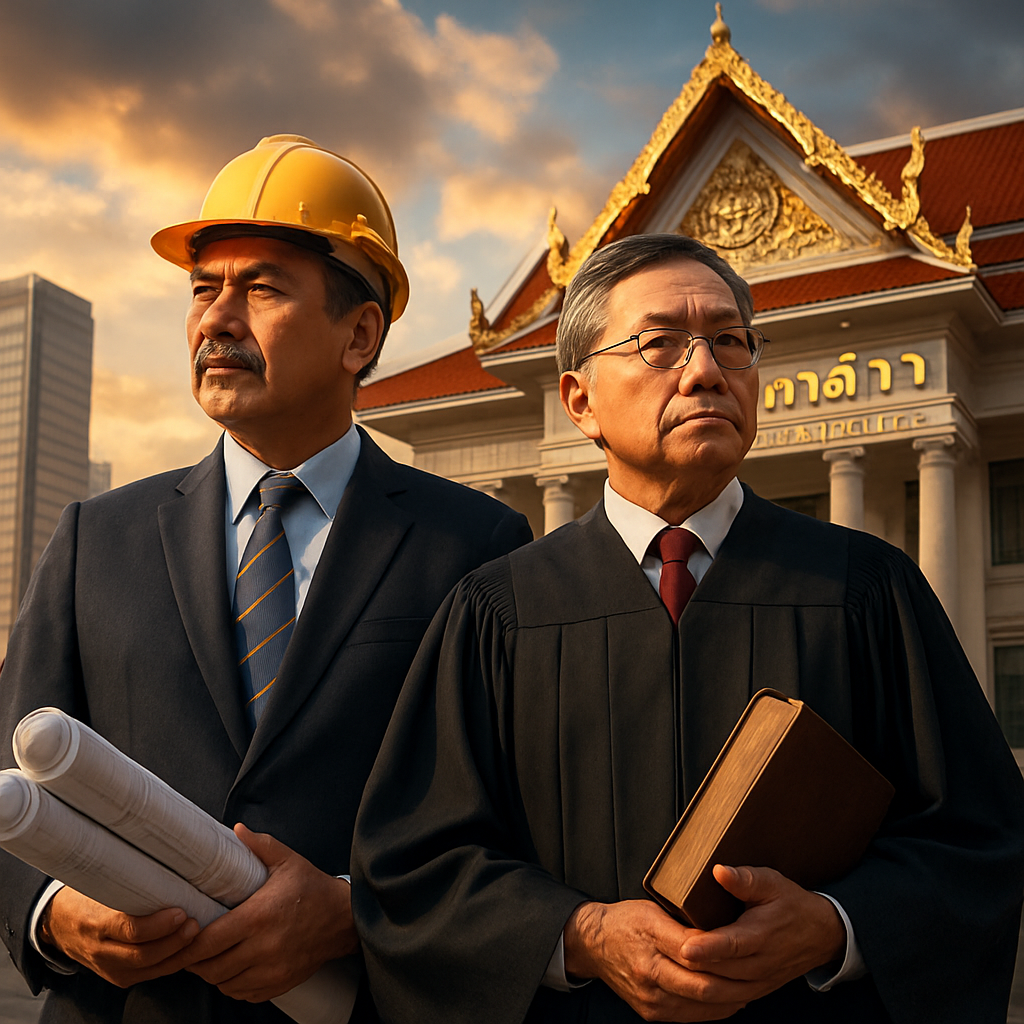
One of the nominees is Sarawut Songsivilai, a distinguished figure with a storied career, most notably as the former director-general of both the Department of Rail Transport and the Department of Highways. His career has been a testament to his steadfast leadership in steering some of Thailand's most critical transportation sectors. With a blend of engineering prowess and public policy savvy, Sarawut is poised to bridge his technical expertise with judicial oversight—a unique crossover in the intricate world of constitutional law.

The selection process, meticulously orchestrated by a committee chaired by Supreme Court president Chanakarn Theeravechpolkul, concluded with not just Sarawut but also Pol Capt Sutham Cheurprakobkit stepping into the limelight. At 62, Sutham is celebrated as a public administration professor at Mahidol University, bringing a wealth of academic wisdom and governmental insight to the role. These selections mark a significant moment as the Constitutional Court undergoes its leadership refresh, following the end of terms for Nakharin Mektrairat and Punya Udchachon, who served diligently for seven years.

In a race that saw seven applicants vying for the honor of serving on this prestigious bench, another notable contender was Chaiyan Chaiyaporn. At 65, this political science maverick from Chulalongkorn University became something of a folk hero for his bold protest during the controversial 2006 elections. His dramatic act of tearing up his ballot signaled broader frustrations with the then-practices of prime minister Thaksin Shinawatra. Despite the thorny path marked by a past suspended jail sentence and a temporary political ban, Chaiyan emerged as a passionate proponent of democratic engagement, buoyed by the restoration of his political rights in 2019.

Now, as Sarawut and Sutham head for rigorous background and ethical scrutiny by a Senate committee, the process underscores the gravity of their future responsibilities. If they clear these checks, the final hurdle will be the Senate’s approval—a decisive step that could reshape the Constitutional Court’s direction.

Interestingly, this isn't the first time nominees have faced rigorous assessment. Earlier in the year, candidates chosen by the selection committee could not garner the necessary support from senators in a confidential vote, casting a pall of mystery over the proceedings. No official reasons were provided for this outcome, leaving the public to speculate on the complexities of such high-stakes decisions.

As the nation tunes in to this unfolding drama, these judicial appointments remind us that the law's guardians hold more than titles—they hold the key to balanced governance and the protection of citizens' rights. The new appointees will carry the torch forward, and their ascent to the court symbolizes renewed hope and a new era in Thailand’s constitutional journey.


30Comments
Sort by:
TCTommy Can··1 pts · 4 replies
TC
Tommy Can
Sarawut's background in transportation is impressive, but does it really qualify him to interpret constitutional law?
1
LLegalEagle87··1 pts
L
LegalEagle87
Don't underestimate the value of diverse expertise! His engineering background can bring a fresh perspective to the court.
1
TCTommy Can·1 pts
TC
Tommy Can
I see your point, but I'm skeptical. Engineers and lawyers think in such different ways.
1
TThinker106·1 pts
T
Thinker106
Variety in perspective is actually what helps evolve a judiciary effectively.
1
CCuriousCarol··1 pts
C
CuriousCarol
Why not give him a chance? He could innovate in ways we can't predict.
1
TTimothyJ··1 pts · 3 replies
T
TimothyJ
Interesting point about Sutham's academic background. Theoretical knowledge is always useful but practical experience counts more in judicial decisions.
1
SSkepticalSam··1 pts
S
SkepticalSam
Academics often bring forward-thinking changes. Practical experience isn't the only thing that matters here.
1
TTimothyJ·1 pts
T
TimothyJ
True, but too much theory without reality can lead to disconnect from societal needs.
1
EEmily_R·1 pts
E
Emily_R
I agree. Academics need to ensure their insights reflect practical realities too.
1
LDLucy D··1 pts · 3 replies
LD
Lucy D
It's good to rotate members of the court, but how do we ensure these selections are truly impartial and just?
1
RRadicalRaf··1 pts
R
RadicalRaf
Impartiality is a myth in politics. Everyone has biases, explicit or covert.
1
LDLucy D·1 pts
LD
Lucy D
Sad but probably true. Transparency would help though, wouldn't it?
1
PPracticalPat··1 pts
P
PracticalPat
I think this is precisely why there are multiple stages of scrutiny in the nomination process. No system is perfect.
1
AAnna_Observer··1 pts · 2 replies
A
Anna_Observer
No official reasons for rejecting earlier candidates? That screams lack of accountability. What's going on behind closed doors?
1
MMatthew3··1 pts
M
Matthew3
Some things need confidentiality for national security or diplomatic reasons, but I see your point.
1
WWiredWill·1 pts
W
WiredWill
Agreed, accountability shouldn't be sacrificed at the altar of confidentiality.
1
JJollyJ··1 pts · 2 replies
J
JollyJ
I miss the drama of Chaiyan Chaiyaporn. Would he bring too much flair to the constitutional court or just enough?
1
SSeriousSally··1 pts
S
SeriousSally
Flair isn't exactly what we need in judicial processes. We need steady hands and rationality.
1
JJollyJ··1 pts
J
JollyJ
Even steady hands need to consider all sides. Sometimes flair means being open-minded.
1
NTNicola T··1 pts
NT
Nicola T
Do you think such appointments will actually make a real difference in Thailand's governance?
1
HHistoryBuff123··1 pts · 2 replies
H
HistoryBuff123
Remember, judiciary changes historically influence significant shifts in governance, even if it's not immediate.
1
RRealPolitik··1 pts
R
RealPolitik
That's true, but let's not romanticize the process. Politics will always taint judicial impartiality.
1
AAnna_Observer·1 pts
A
Anna_Observer
Certainly, but hope for positive change should never be ruled out.
1
GGary_G··1 pts
G
Gary_G
Wouldn't be surprised if senators vote based on personal alliances rather than merit. Politics is a dirty game.
1
ZZoe··1 pts
Z
Zoe
I'm excited to see some new faces with fresh ideas. Sometimes change is all you need to reignite a stale system.
1
PPaul1990··1 pts · 1 reply
P
Paul1990
It’s concerning that one candidate protested an election by tearing up a ballot. Such actions question a person’s temperament for the judiciary.
1
HHaileyW··1 pts
H
HaileyW
I see your point, but it also shows passion and a fight for democratic processes.
1
RRationalVoice··1 pts · 2 replies
R
RationalVoice
With the scrutiny candidates will face, we can only trust that the best decision will be made by the Senate.
1
PPessimistPete··1 pts
P
PessimistPete
Trusting political bodies is a risky bet. They've let us down before.
1
RRationalVoice··1 pts
R
RationalVoice
True, but remaining cynical won’t improve the process.
1
