Mass Exodus at Thailand-Cambodia Border: The Urgent Return Home of 500 Workers
The scene was one of organized chaos at the Ban Khlong Luek permanent border crossing in Aranyaprathet district, Sa Kaeo province. Scores of Cambodian workers—about 500 to be exact—were lined up, eager to make their way…
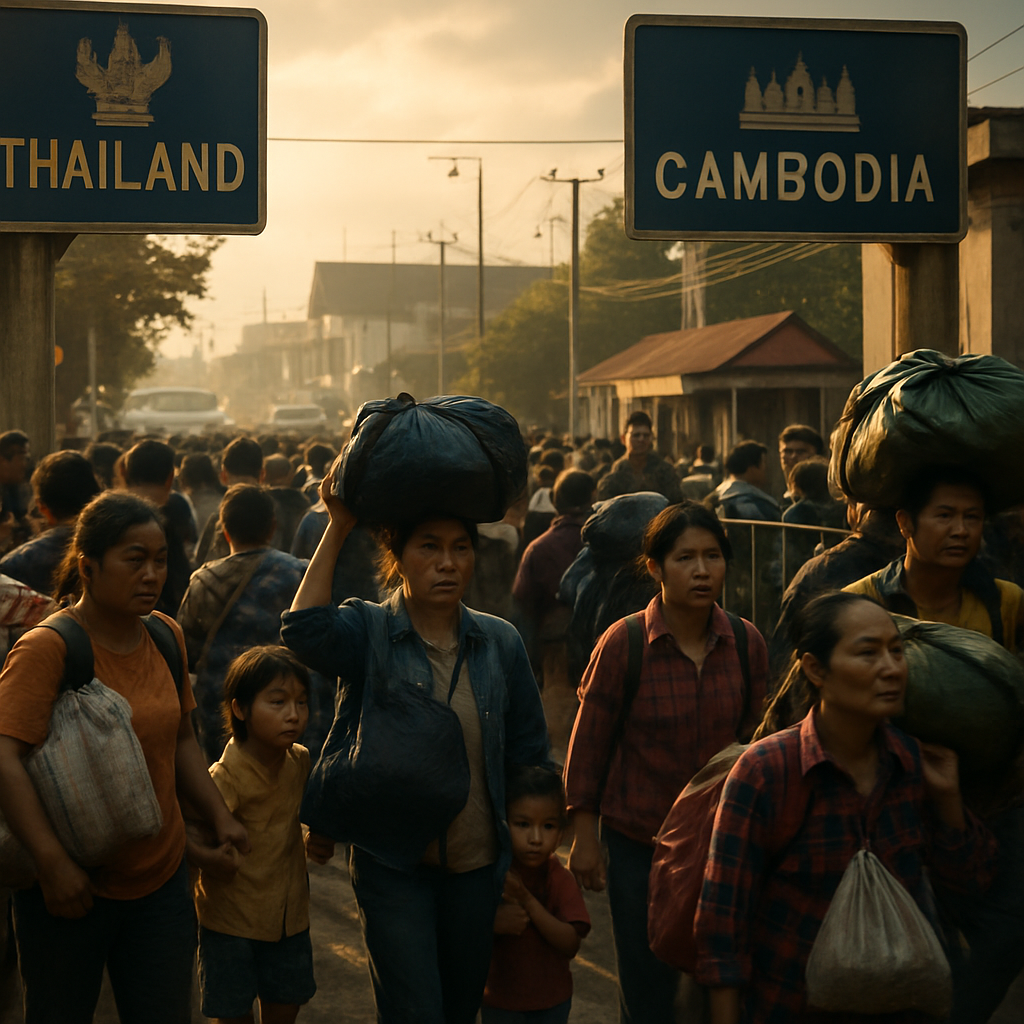
The scene was one of organized chaos at the Ban Khlong Luek permanent border crossing in Aranyaprathet district, Sa Kaeo province. Scores of Cambodian workers—about 500 to be exact—were lined up, eager to make their way back into Cambodia. It was a heartwarming and tumultuous day, a blend of emotions swirling amidst the crowd, as many were accompanied by young children and held onto possessions they deemed necessary for their journey home.
The impetus for this unexpected mass exodus? Family phone calls. Voices from across the border insisting on immediate returns. While some travelers were simply looking to reconnect with loved ones, whispers of potential threats to family properties had begun to circulate. These rumors, suggesting possible seizure of assets or loss of benefits if expatriates didn’t return, left many bewildered. "Is it true?" asked many, their faces painted with concern, unsure of what awaited them across the border. Yet, they did not let this uncertainty taint their resolve.
Despite the current whirlwind, numerous workers expressed a steadfast determination to return to Thailand when things settle down. With Cambodia's job market presenting fewer opportunities, the allure of employment in Thailand remained strong, according to the report by KhaoSod.
In a synchronized move to ensure the smooth transition of scores of returning citizens, Cambodia's Prime Minister, Hun Manet, has unveiled a comprehensive support plan. Speaking through a Facebook post on June 14, he rallied the nation to lend a hand to these migrants. Encouraging financial institutions to assist, he emphasized the government's commitment to manage such a large-scale return effectively.
The Cambodian infrastructure along with relevant ministries, military components, and regional authorities have all mobilized to provide the essentials—border assistance, shelter, food, and basic healthcare services. To facilitate the repatriation effort, transport logistics are being handled by the Ministry of National Defence and the Army, with Lakhon Luang School in Phnom Penh stepping in to cover the transit needs from border areas back to various Cambodian hometowns.
The Ministry of Labour and Vocational Training stands ready to absorb these returning workers into the workforce—a much-needed infusion given the national labour shortage that persists. Tens of thousands of roles await to be filled, presenting an opportunity for citizens to contribute to the national economy upon their return.
This unfolding spectacle at Cambodia's border is a testament to the enduring bonds of family, the prevailing sense of duty, and the relentless quest for stability. As these workers navigate their uncertain futures, one thing becomes clear—community and government alike are poised to support them every step of the way.
In other noteworthy developments, Cambodia’s economic conditions and governmental readiness have been echoed across various platforms. Cambodia's proactive stance during times of uncertainty signals a commitment not just to its returning citizens, but also to a broader framework of regional cooperation and national resilience. As these tales weave into the fabric of their culture, the Cambodian spirit remains undeterred—ready to rise above challenges like never before.



Comment verification
Step 1 of 3
Verify your email once to publish your comment. Your email is never shown publicly.
Enter the 6-digit code sent to .
Choose the display name shown next to your comments.