Monsoon Woes in Thailand: Understanding Pityriasis Rosea Rash Risks
As the monsoon rains sweep across Thailand, they're not just a prelude to vibrant greenery and replenished reservoirs. Surprisingly, they also bring a sneaky, uninvited guest to the health scene: Pityriasis Rosea. This…
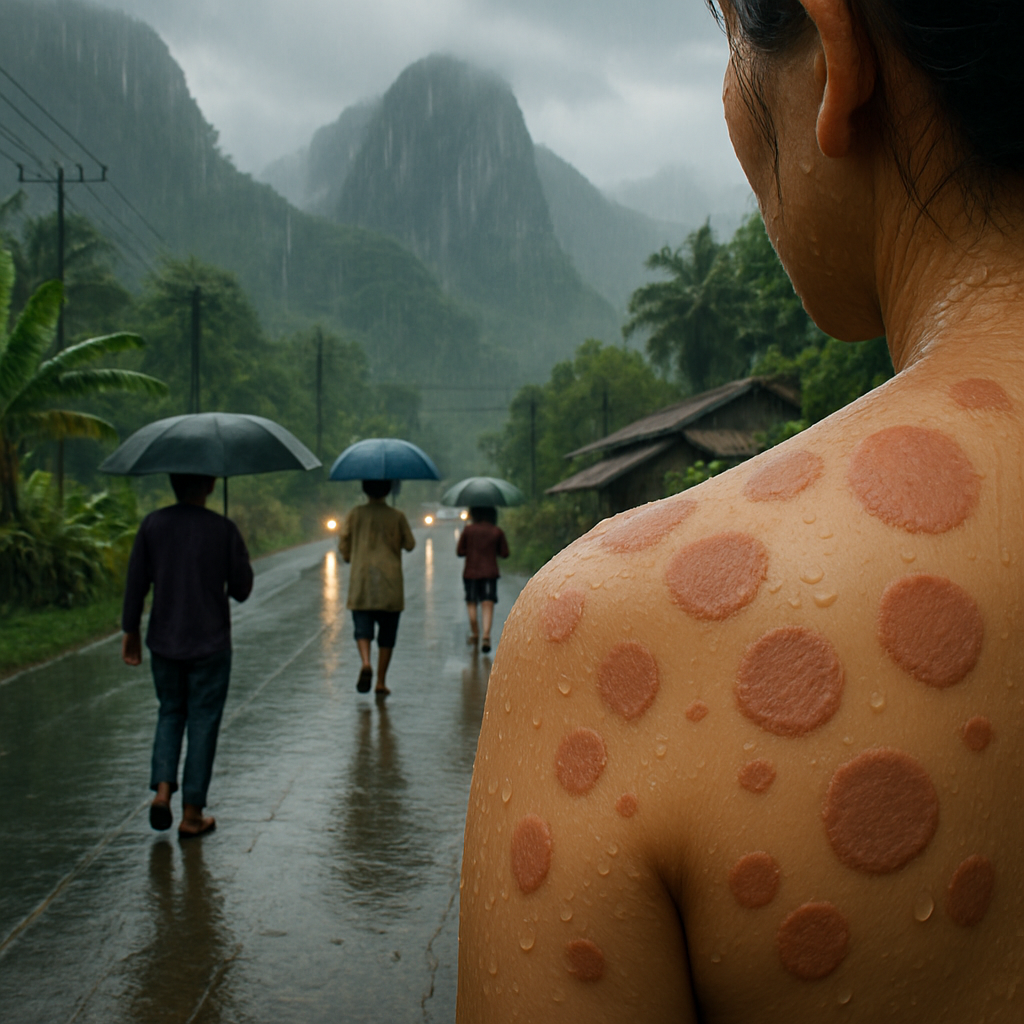
As the monsoon rains sweep across Thailand, they're not just a prelude to vibrant greenery and replenished reservoirs. Surprisingly, they also bring a sneaky, uninvited guest to the health scene: Pityriasis Rosea. This peculiar-sounding rash has health officials buzzing with advisories, nudging citizens to stay alert for what might look like an artist’s mishap on your skin during these humid months.
The Department of Medical Services has sent out a clarion call, emphasizing vigilance against this pesky intruder. Deputy government spokesperson Sasikarn Wattanachan has been quite the harbinger of this news, alerting that the rash generally makes a pronounced entrance with distinct circular or oval patches. Usually trailing the skin's natural lines, they often appear as if they had taken inspiration from a lush pine forest.
This rash, quite the diva when it comes to maintaining its exclusivity, primarily targets those aged 10 to 35, with a particular soft spot for women. True to its fleeting nature, Pityriasis Rosea often bids adieu within six to eight weeks, but its stay can extend into enduring months. Sasikarn particularly underscored a cautionary note for pregnant women, especially those in their first 15 weeks, as the rash has been linked with an unfortunate increase in miscarriage risks. Starting from the torso, this unwelcome visitor can journey upwards, making stops at the neck and other upper limbs.
Typically, it all begins with a grand "herald patch," a foretelling of smaller satellites following its lead, painted in pink, salmon, or gentle shades of brown, with their raised edges and a delicate scaling. The rash does, however, maintain some modicum of respect, steering clear of the face, hands, or feet, although about 25% of cases might find itchiness tagging along. Those experiencing the rash may also greet unwelcome companions like headaches, fever, joint pain, or muscle aches. And for a rare few, it might spice things up with tiny pustules.
Thankfully, Pityriasis Rosea is no social butterfly and doesn’t mingle—it's not contagious. It’s a solo act that typically resolves itself without leaving a trace on its canvas. However, before you toast to its eventual departure, a medical check-up is a good call to ensure it isn't pretending to be something more sinister. The Pattaya Mail further reports that proactive healthcare is a wise deterrent against misdiagnosing this elusive rash with other skin ailments.
On the treatment front, the focus is all about comfort. Moisturisers can make things less irritable, while topical corticosteroids and oral antihistamines might help you forget the urge to scratch. For those whose rashes have chosen to be particularly dramatic, a short regime of oral corticosteroids or a bout of UVB phototherapy might be necessary. But hold your horses—it’s always best to let a healthcare professional choreograph your treatment plan.
As the rains continue their nurturing yet mischievous deluge, the clarion call is clear: keep an eye out for symptoms, and don’t hesitate to seek guidance if Pityriasis Rosea makes an appearance. Swift action and early detection are your best allies against any potential skin woes escalating.



Comment verification
Step 1 of 3
Verify your email once to publish your comment. Your email is never shown publicly.
Enter the 6-digit code sent to .
Choose the display name shown next to your comments.