Pattaya Baywalk Scam: Tourist Mudasir Ashraf Says He Was Overcharged
It was the kind of morning many tourists remember fondly — warm sea breeze, the bright bustle of Second Road — but for 32-year-old Indian visitor Mudasir Ashraf the stroll near Pattaya’s Baywalk project on September 5…
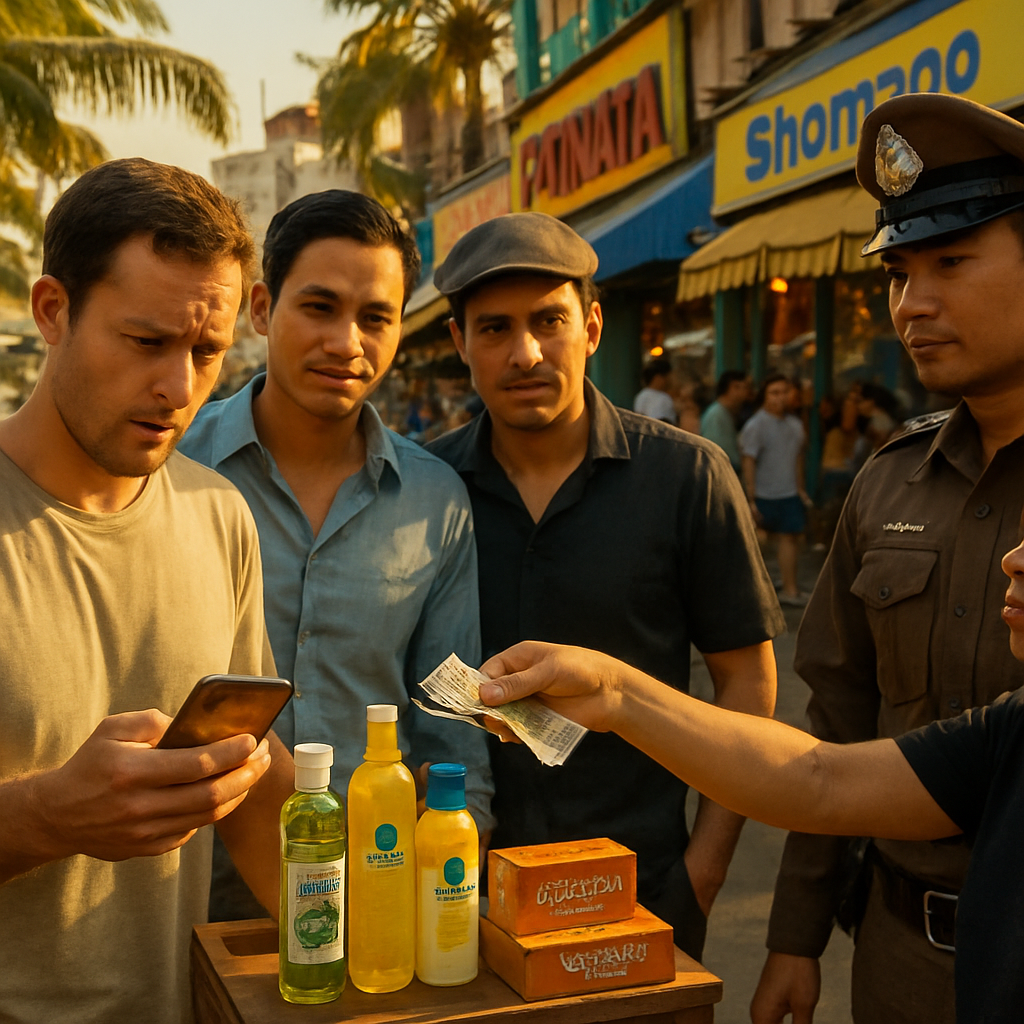
It was the kind of morning many tourists remember fondly — warm sea breeze, the bright bustle of Second Road — but for 32-year-old Indian visitor Mudasir Ashraf the stroll near Pattaya’s Baywalk project on September 5 turned into a stark reminder that not every friendly face on the street has honest intentions.
According to a complaint he filed at Pattaya Police Station in Chon Buri province, Ashraf was stopped by two men who appeared to be foreign nationals and struck up a casual conversation. The chat quickly shifted to a sales pitch: "miracle" hair-growth and beauty products they guaranteed would work wonders. Trusting the recommendation, Ashraf followed the men into a shop inside the Baywalk complex where staff presented him with a bundle of items — two bottles of herb-infused coconut oil, two bottles of shampoo, and two boxes of ginseng soap.
What followed was all too familiar in tourist hotspots: the price demanded felt shockingly high. The men insisted on payment by bank transfer and Ashraf, perhaps embarrassed or simply wanting to avoid a scene, complied. The total came to 24,175 baht — roughly £550 — and after the transaction he says he felt misled and decided to seek police help.
Pattaya police documented Ashraf’s account and escorted him back to the shop. Staff maintained that their prices had been clearly displayed and transparent. Ashraf countered that the figures were wildly inflated and that he had been pressured into the purchase. After a tense exchange the shop agreed to a partial refund: 22,800 baht — a figure The Pattaya News reported as about US$710 — while warning that they might pursue legal action if their reputation was damaged by the incident.
The case exposes a couple of unnerving truths about scams that prey on visitors in resort towns: first, disputes often hinge on what one side calls “clearly displayed” pricing and the other calls “hidden” or “misleading” tactics; second, partial refunds are a common compromise that leaves some tourists satisfied and others out of pocket. The Pattaya News noted that while some tourists have managed to recover part of their money in similar incidents, many are not so fortunate.
Pattaya, long known as a lively tourist hub with beaches, nightlife and a robust street-market scene, has battled a recurrent image problem: alongside legitimate businesses, some enterprises operating in the area have been accused of deceptive sales practices. Despite previous police crackdowns, these operations seem to persist, prompting calls from local voices to step up enforcement and crack down harder to protect the city’s reputation and visitors’ wallets.
Local officials are now being urged to carry out a full investigation into Ashraf’s complaint and similar reports — not only to bring individual wrongdoers to account, but to reassure future visitors that Pattaya is safe for honest commerce. For a city that depends on tourism, even one high-profile consumer complaint can echo widely on social media and travel review sites.
Meanwhile, the broader pattern of tourist-related scams continues to pop up around Thailand. In a separate incident, a clothing store owner in Phuket recently offered a 6,000 baht reward for information after catching a foreign woman allegedly swapping price tags to pay less. These episodes underscore the variety of small-scale frauds that can spoil a holiday and the need for vigilance from both travelers and local authorities.
What can visitors do to lower their risk?
- Be wary of unsolicited offers from strangers, even if they seem friendly or well-spoken.
- Ask to see prices in writing before agreeing to any purchase; if something is only quoted orally, treat it with suspicion.
- Avoid bank transfers or unfamiliar payment methods when making purchases from small street vendors or pop-up shops.
- Keep receipts and take photos of price tags or product labels; these can be invaluable if a dispute arises.
- If you feel pressured, walk away — most scammers want to keep you isolated and hurried.
For Ashraf, the experience was an unwelcome addition to what should have been a relaxing trip. For Pattaya, it’s another reminder that policing tourism-related scams is not just about making arrests — it’s about preserving trust. As officials investigate and local businesses weigh the reputational cost of aggressive sales techniques, travelers should remember that a healthy dose of caution goes a long way. If nothing else, let this be a prompt to enjoy the beach, the food, and the culture — but keep an eye on your wallet.
Reporters on the ground noted that The Pattaya News is following developments. If you’re planning a visit, arm yourself with common-sense precautions and — when in doubt — seek a second opinion before handing over your cash or tapping "send" on a transfer.



Comment verification
Step 1 of 3
Verify your email once to publish your comment. Your email is never shown publicly.
Enter the 6-digit code sent to .
Choose the display name shown next to your comments.