Pattaya Immigration Crackdown: Cambodian Nationals Arrested in Child Begging Operation
As the sun began its descent over the vibrant cityscape of Pattaya, an immigration officer stood watch, observing the scene unfold as a group of Cambodian nationals were escorted into custody. This unfolding drama,…
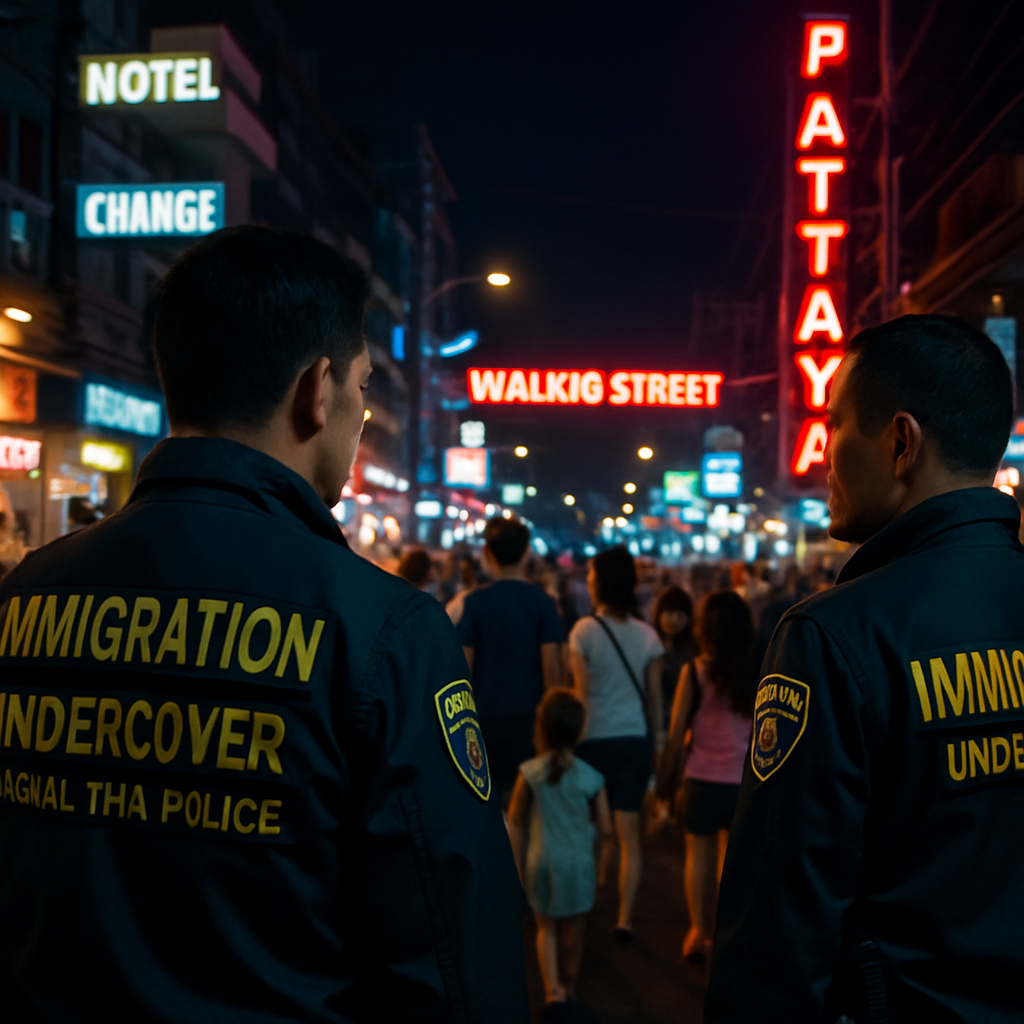
As the sun began its descent over the vibrant cityscape of Pattaya, an immigration officer stood watch, observing the scene unfold as a group of Cambodian nationals were escorted into custody. This unfolding drama, staged against the backdrop of bustling streets and crowded tourist attractions, highlighted a concerning trend that had gripped this bustling resort city.
Immigration police in Pattaya recently conducted a strategic operation aimed at clamping down on a disconcerting scheme: foreign nationals exploiting the sympathy of tourists by using children and individuals with disabilities to solicit money. This was not just any routine raid; it was a response to a chorus of complaints resonating from both local residents and travelers alike, who feared for the city's reputable image as a vibrant tourist destination.
The operation, orchestrated with precision, saw plainclothes officers blending seamlessly into the throngs of tourists. These undercover operatives roamed through popular areas and tourist hotspots, their eyes peeled for the telltale signs they had come to recognize. Amidst the crowd, they soon spotted several individuals accompanied by young children or those with visible physical disabilities, all engaged in the act of pleading for alms from compassionate passersby.
The undercover operation came to fruition when seven adults — five women and two men, all hailing from Cambodia — found themselves on the wrong side of the law. Accompanying them were eight young girls, their ages spanning from a tender three to a mere ten years old. Authorities believed these innocent youngsters were tragically used as pawns, their presence intended to tug at the heartstrings of tourists and locals alike.
During the subsequent police interviews, the suspects laid bare their daily grind: a life of subsistence hinging on the generosity of strangers. They candidly admitted that their average earnings from begging in these high-footfall areas fluctuated between 300 to 500 baht per day. It was a modest income, barely enough to sustain their group, which had made a temporary home in rented accommodations situated in the Si Racha district of Chon Buri. Each day, like clockwork, they would embark on their journey to Pattaya, traversing the city via local transport in pursuit of their day's wages.
Among their stories, shards of a more complicated life emerged. Several claimed long-standing ties to Thailand, with over a decade spent living within its borders, their children having become a part of the local tapestry by attending nearby schools. Yet, despite any roots they may have inadvertently laid, the grip of the law was unforgiving. All suspects found their fates tied to procedural paperwork at the bustling Pattaya police station, where they faced the stark reality of impending legal action before their eventual deportation.
This operation underlines a deeper issue within bustling tourist havens like Pattaya, where the line between thriving business and disrepute can often blur. It serves as a stark reminder to both tourists and locals alike of the diverse tapestry of lives intersecting in these bustling confluences of culture and commerce.
As the Cambodian nationals await their fate, Pattaya continues to hum with life, its streets teeming with travelers oblivious to the day's events, yet momentarily and tangibly safer for it. The question that lingers, though, is how many more such tales remain woven into the vibrant fabric of this tropical paradise, waiting to unravel?



Comment verification
Step 1 of 3
Verify your email once to publish your comment. Your email is never shown publicly.
Enter the 6-digit code sent to .
Choose the display name shown next to your comments.