Pheu Thai Party's Revolutionary Defense Reform: A New Era for Thailand's Military
The winds of change are sweeping through Thailand's political landscape, with the Pheu Thai Party taking bold strides toward reform. In an audacious move, they have tabled a bill proposing pivotal amendments to the…
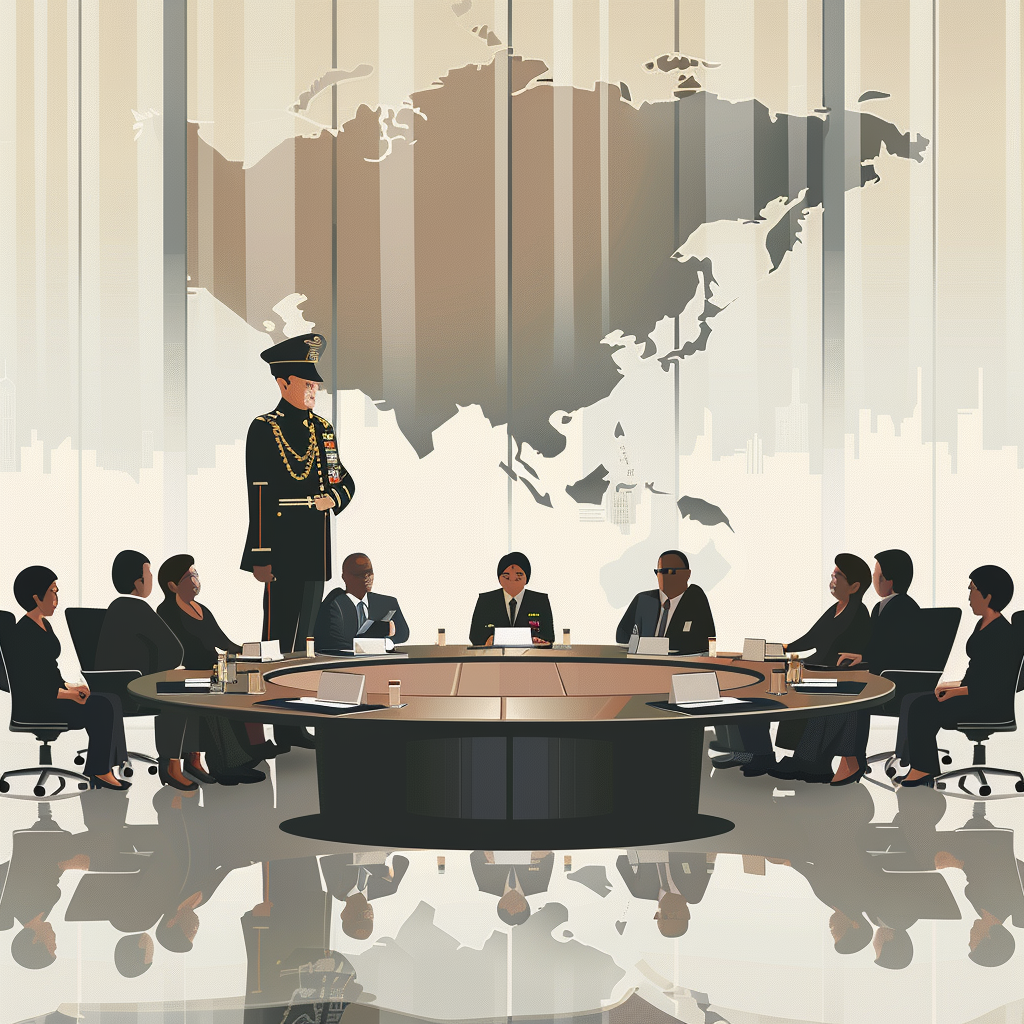
The winds of change are sweeping through Thailand's political landscape, with the Pheu Thai Party taking bold strides toward reform. In an audacious move, they have tabled a bill proposing pivotal amendments to the Defence Ministry Administration Act, aspiring to curtail the military’s historically unchecked power and its consequential penchant for coups d'état.
At the heart of this proposal is a transformative shift in the appointment process of military generals. Traditionally, armed force commanders handpicked their trusted associates for these prestigious ranks. However, under the new bill, this prerogative would pivot to a cabinet-appointed committee. "This change is essential," a source close to the party stated. "It promises to foster transparency and create equitable career advancement opportunities for military personnel who have long felt marginalized."
An interesting twist to the power dynamics would be the designation of the Prime Minister as the chairman of the Defence Council, supplanting the customary role of the Defence Minister. Alongside this realignment, the bill outlines rigorous criteria under Section 25 for aspirants to the rank of general. Prospective candidates must boast a record unblemished by undue influence, free of ties to illicit drugs, human trafficking, or environmental degradation.
Moreover, candidates must not be under disciplinary probes or facing criminal charges except for minor offenses like negligence or defamation. Crucially, they mustn't maintain any contractual dealings with the Defence Ministry or engage in activities that pose a potential conflict of interest.
But perhaps the cornerstone of the proposed amendments lies within the overhauled Section 35. Here, an unequivocal prohibition is laid against wielding military force for seizing governmental power or hindering governmental duties. The provision is meticulous in outlawing the exploitation of military resources for personal gain or extracurricular misdeeds by commanding officers. It extends a lifeline to officers, granting them the authority to refuse orders that breach these stipulations without legal reprisal.
The preventative measures culminate in stringent repercussions for violators, emphasizing the suspension of military officers pending investigation if they are found to be plotting against the tenets of Section 35. "This amendment is pivotal," explained an insider, “it acts as a bulwark against the military’s abuse of power and upholds our democratic values, with the monarchy as its sacred cornerstone.”
This legislative push, spearheaded by Pheu Thai MP Prayut Siripanich, is one of a triplet of reform bills targeting the Defence Ministry Administration Act, poised to stimulate public debate. The bill is currently available for public commentary on Parliament's website until January 1st, with rival proposals emerging from the People's Party and former Defence Minister Sutin Klungsaeng.
The crux of this legislative ambition is not just about altering laws but reshaping the intricate relationship between Thai governance and its military—which has often been likened to a dance of uneasy allies. As these proposed changes permeate public discourse, they invite a spirited discussion on the future of Thailand’s democracy and civil-military relations.



Comment verification
Step 1 of 3
Verify your email once to publish your comment. Your email is never shown publicly.
Enter the 6-digit code sent to .
Choose the display name shown next to your comments.