Pheu Thai's Casino Bill Faces Crucial Test: Public Opinion and Political Maneuvering in Thailand 2025
On a humid March day in 2025, a spirited crowd gathered near the iconic Government House, their voices raised in unison against a proposal that has stirred debate across the nation. The issue at hand? A controversial…
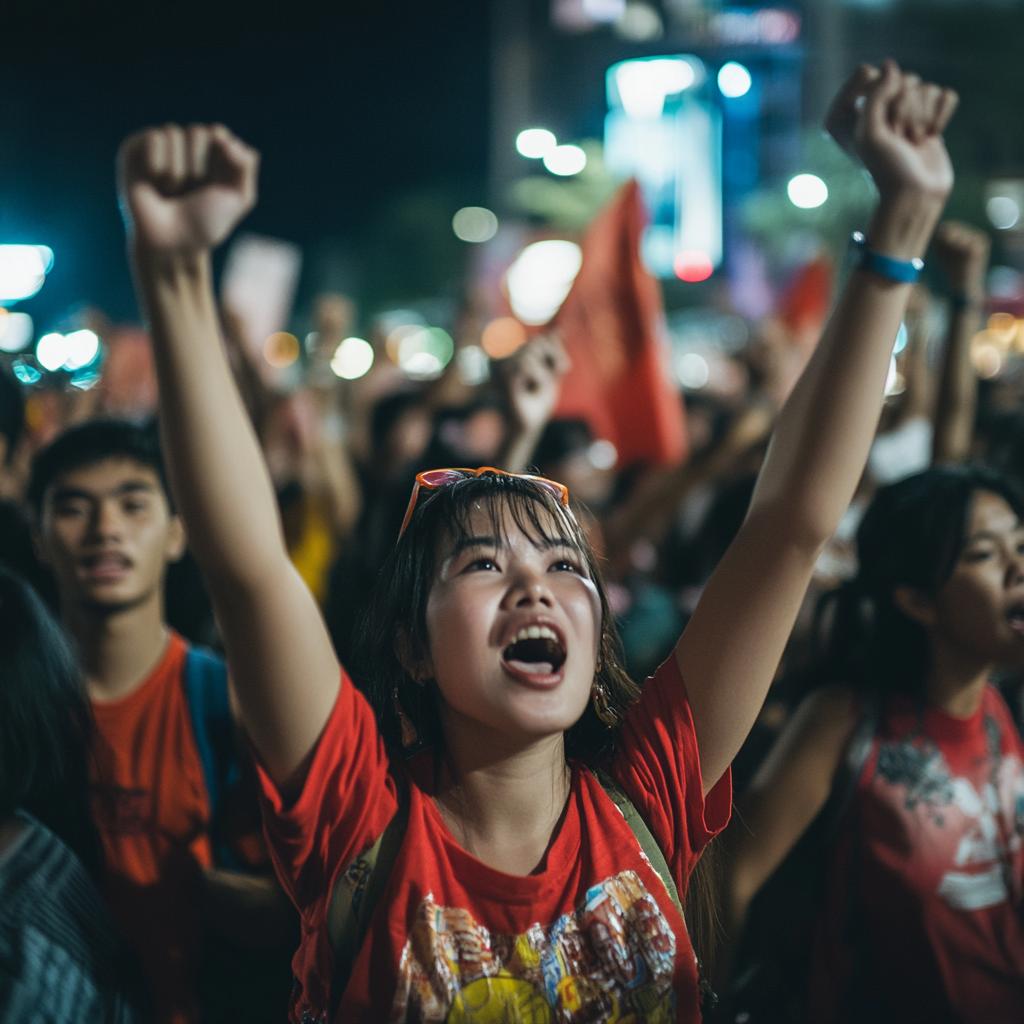
On a humid March day in 2025, a spirited crowd gathered near the iconic Government House, their voices raised in unison against a proposal that has stirred debate across the nation. The issue at hand? A controversial government drive to push forward a casino-entertainment complex. Capturing the moment was photographer Apichart Jinakul, whose lens framed the tangible tension that permeated the scene.
In the bustling world of Thai politics, maneuvering through contentious issues requires strategic nimbleness, and Pheu Thai lawmakers have been instructed to do just that. Their mission: to vigorously promote the much-debated casino-entertainment complex bill, alongside a political amnesty bill, within their constituencies during the parliamentary recess. This, in the hopes that such groundwork will facilitate the smooth passage of these bills when Parliament is back in session.
Pheu Thai's spokesperson and Member of Parliament, Danuporn Punnakanta, articulated the marching orders handed down by Prime Minister Paetongtarn Shinawatra. MPs have been tasked with gauging their constituencies' sentiments on the question of legalizing gambling—a notion that has already sewn discord within the governing coalition. Downtown, cabinet ministers have been called to action on the ground alongside these MPs, charged with the mission to listen, to mediate, and ultimately, to shape a cohesive response to the public's varied concerns.
On the topic of the amnesty bill, Mr. Danuporn emphasized the crucial need for clarity in defining its scope. Such clarity, he noted, is vital to avoid igniting future political friction. In addressing both bills, he expressed a sincere desire to navigate these legislative waters without sparking the kind of massive protests that might put the structural integrity of Thailand at risk.
Originally slated for discussion during the current parliamentary session, the casino-entertainment complex bill has seen its deliberation deferred to the session beginning July 2. Political analysts express skepticism regarding its potential passage, chiefly due to internal opposition from the Bhumjaithai Party—Thailand's second-largest political force in the coalition government. While Chaichanok Chidchob, the party's secretary-general, has publicly criticized the bill, party leader Anutin Charnvirakul has been quick to clarify that Mr. Chaichanok's opinions are personal, not reflective of an official party position. Mr. Anutin reiterated the party's steadfast commitment to standing behind the prime minister’s broader policy agenda.
Elsewhere in the political sphere, Wisut Chainarun, the chief government whip, provided a more optimistic take. Public opinion, he claimed, is gradually warming to the concept of a casino-entertainment complex, particularly as citizens become more informed about its potential economic upshots. Mr. Wisut remains hopeful that armed with a greater understanding of the bill, public support will crystallize, enabling the proposal to gather momentum in the upcoming session.
The unfolding dialogue around these legislation efforts underscores a pivotal moment for Thailand—a chapter where public discourse, political strategy, and societal values intertwine. As the July session looms, all eyes will be on how deftly Pheu Thai navigates the intricate web of public opinion and coalition politics. Will the voices of protest amplify, or will understanding pave the way for new economic vistas?



Comment verification
Step 1 of 3
Verify your email once to publish your comment. Your email is never shown publicly.
Enter the 6-digit code sent to .
Choose the display name shown next to your comments.