Pheu Thai's Proposed Constitutional Amendments: Why Critics Say Ethics Are Non-Negotiable
Opposition is rapidly mounting against a bid by the ruling Pheu Thai Party and the main opposition People's Party (PP) to amend parts of the 2017 constitution, particularly those related to the ethical standards for…
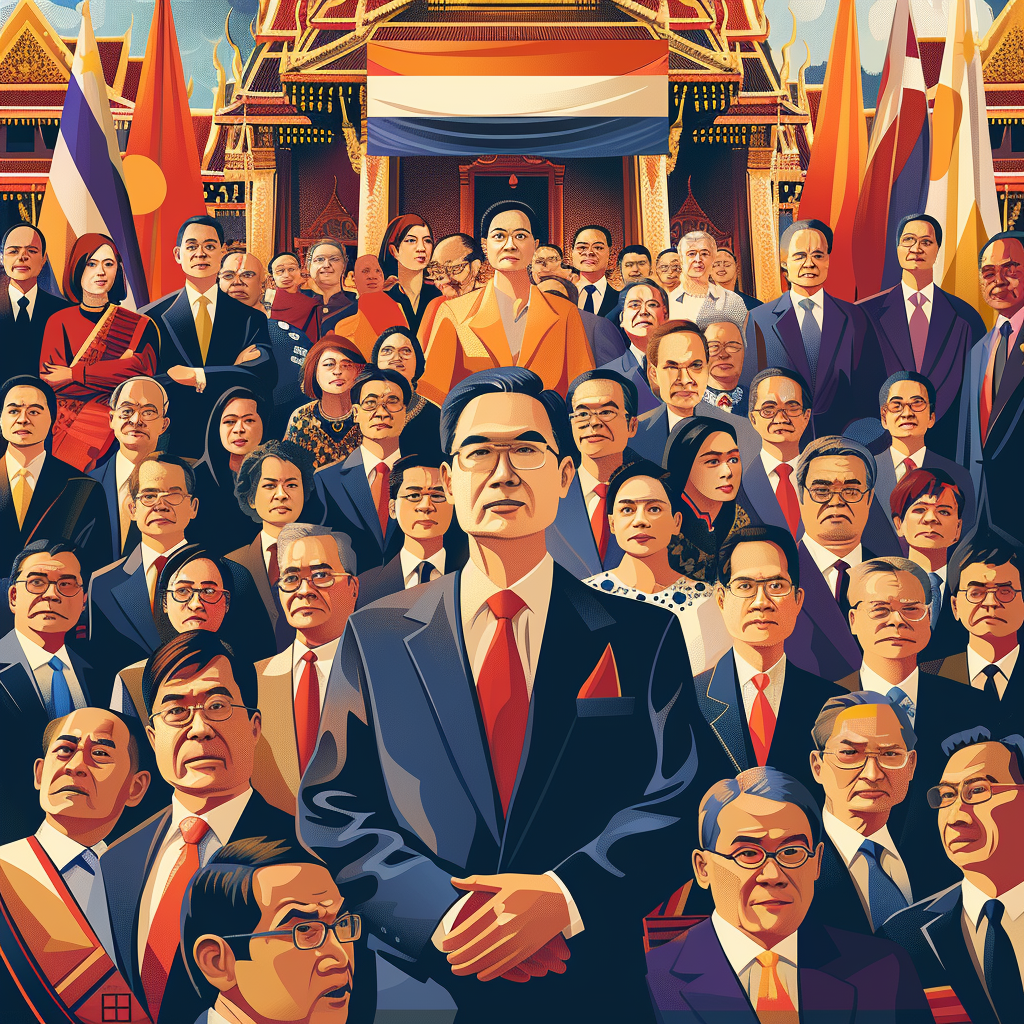
Opposition is rapidly mounting against a bid by the ruling Pheu Thai Party and the main opposition People's Party (PP) to amend parts of the 2017 constitution, particularly those related to the ethical standards for political office-holders. The Bhumjaithai Party, a coalition partner, and a prominent senator have joined these growing calls to halt any changes to these key charter provisions.
Last Wednesday, Pheu Thai submitted its partial charter amendment bill to the House, following a similar submission by the PP the week before. House Speaker Wan Muhamad Noor Matha announced that the deliberation on these bills in the Lower House is likely to commence around mid-October, potentially even earlier, but definitely not later than the end of this month.
The contentious charter provisions include Section 160, which establishes the prerequisites for aspiring cabinet ministers. It mandates that they must be demonstrably honest and free of any severe ethical violations as political office-holders.
Pol Col Kob Atchanakitti, a senator linked with the "blue" camp, referencing Bhumjaithai, staunchly opposed the plan to amend charter provisions regarding ethics for political office-holders. "Ethics are paramount for politicians. If they lack ethics, they should step away from politics and stay home. Parliament is not a place for personal whims," he asserted.
He further emphasized that politicians should prioritize addressing issues affecting the populace rather than meddling with the constitution. "Political crises arise because some politicians fail to uphold the law," Pol Col Kob added.
Deputy House Speaker and Bhumjaithai MP Paradorn Prissananantakul echoed similar sentiments, insisting that the charter should not be amended for politicians' benefit and any change must serve the people's best interests. "Will the proposed charter amendment benefit politicians? People do not listen to politicians who have a vested interest in such changes. The public must have the final say," Paradorn stated.
Chaichana Detdecho, deputy leader of the coalition partner Democrat Party, also voiced his disagreement with revising the ethical standards for political office-holders. He maintains that individuals in government positions must be prepared to be scrutinized under the charter's ethical standards.
Paiboon Nititawan, secretary-general of the Palang Pracharath Party, cautioned that any attempt by politicians to revise the charter's ethical standards for personal gain could lead to a conflict of interest. Meanwhile, Thanakorn Wangboonkongchana, deputy leader of the United Thai Nation Party (UTN), another coalition partner, has also previously opposed such amendments. He pointed out that Sections 160 (4) and (5) are designed to prevent individuals lacking moral standards from gaining power in public office, and any effort to undermine these provisions could facilitate unscrupulous individuals rising to power.
Despite the previous support for amendments by Justice Minister Pol Col Tawee Sodsong, he appeared to shift his stance on Saturday. Tawee, who leads the Prachachart Party, acknowledged the need for maintaining ethical standards but emphasized that the ethical code must be clearly defined and articulated to serve as an effective reference.
Somchai Srisutthiyakorn, a former election commissioner, warned that attempts to rewrite the charter—especially those concerning ethics for politicians and the power scope of independent agencies—might backfire. He recalled the Pheu Thai Party's earlier effort during the Yingluck Shinawatra administration, which sparked mass street protests and culminated in the 2014 coup that ousted the Pheu Thai-led government. The blanket amnesty bill at that time was perceived as an attempt to legally exonerate her older brother, former prime minister Thaksin Shinawatra.



Comment verification
Step 1 of 3
Verify your email once to publish your comment. Your email is never shown publicly.
Enter the 6-digit code sent to .
Choose the display name shown next to your comments.