Phuket Boat Taxi Pilot: 40-Minute Airport-to-Patong Route
Phuket is steering toward a splashy new chapter in island travel. On 12 September, a long-discussed boat taxi service for the west coast moved from idea to ink when senior officials signed a Memorandum of Understanding…
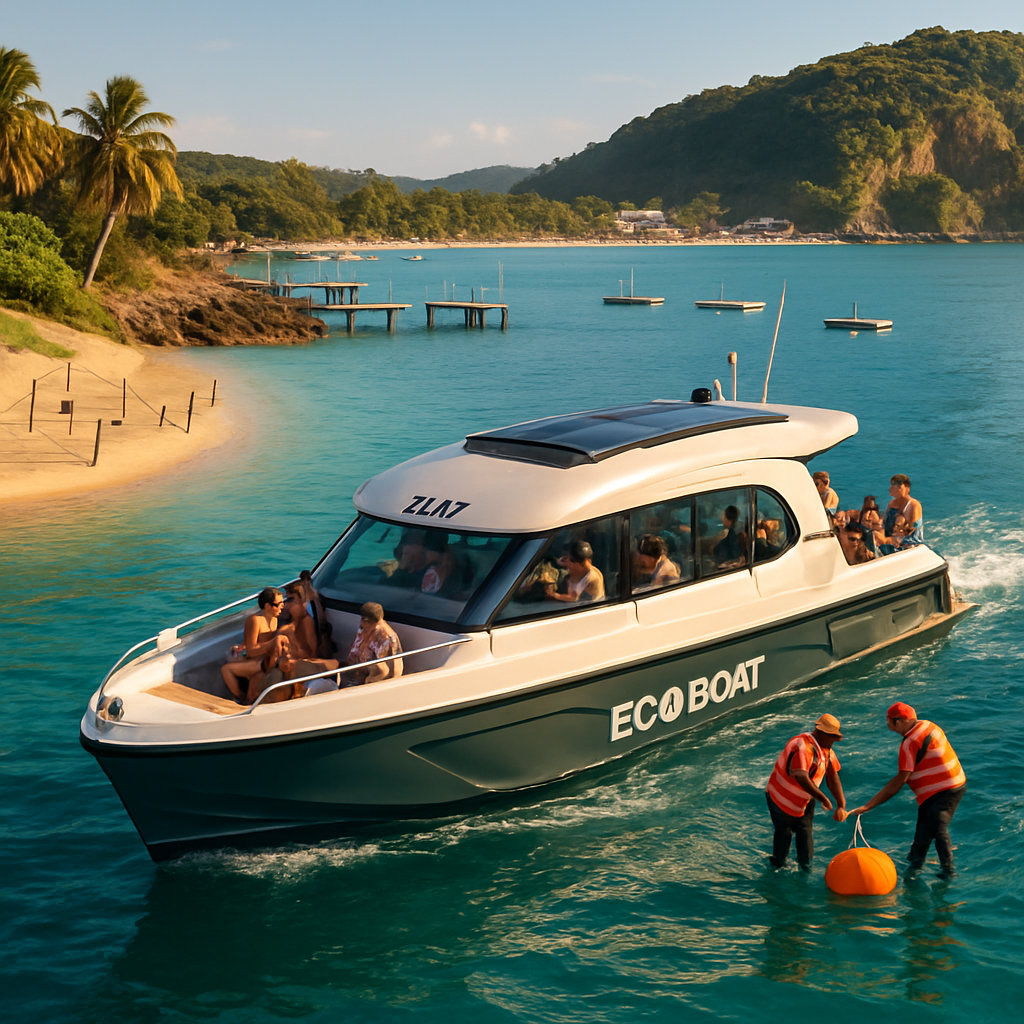
Phuket is steering toward a splashy new chapter in island travel. On 12 September, a long-discussed boat taxi service for the west coast moved from idea to ink when senior officials signed a Memorandum of Understanding at Phuket Provincial Hall — a practical step that could make commuting across Phuket as breezy as a sea breeze.
The MoU was signed by Atthaphon Charoenchansa, director-general of the Department of National Parks, Wildlife and Plant Conservation (DNP), alongside Phuket Governor Sophon Suwannarat. Also on hand were Therdthai Kwanthong, director of the DNP’s Protected Area Management Office 5, Natchapong Pranit, director of the Phuket Marine Office, plus representatives from other government agencies and private-sector partners. The message was clear: this project aims to broaden transport choices, ease gridlock and give visitors — and locals — a faster, greener option for getting around.
A 40-minute shortcut across paradise
The pilot run is ambitious and sensible. The inaugural route will link Sirinat National Park at Nai Yang Beach (close to Phuket International Airport) with Patong Beach, covering roughly 16.7 nautical miles in about 40 minutes. That’s a dramatic improvement on the current land journey, which can take anywhere from 1.5 to 3 hours when traffic is at its worst. For anyone who’s ever timed their airport transfer and lost, this promises major relief.
Beyond the headline route, planners envision a network of 14 port locations dotting the west coast — well-placed stops at Nai Thon, Bang Tao, Kamala, Karon, Kata and Nai Harn among them. Think of it as a hop-on, hop-off for sun-seekers: quicker transfers between beaches, more relaxed itineraries and fewer cars clogging the coastal roads.
Seasonal, safe and (deliberately) sea-turtle-friendly
Officials stressed the service will be safe, convenient and environmentally conscious. The scheme will operate only in the High Season — November through April — to avoid the rough seas of the southwest monsoon. That seasonal approach keeps the service reliable and predictable, and helps protect crews and passengers when conditions turn choppy.
Environmentally, project leaders say they are prioritising careful assessments of ecological impacts — with particular attention paid to sea turtle nesting grounds along the coast. Sirinat National Park has already applied for the necessary permits, and the Phuket Marine Office will take the matter to the Provincial Waterways Encroachment Review Committee on 16 September, a meeting chaired by the governor. Plans also include legal mooring buoys and proper piers to reduce shoreline damage — a welcome detail for conservationists who have watched development nibble at Phuket’s fragile coastal habitats.
A decade in the making
This is not a new dream. The concept has simmered for more than ten years. In 2014 the Thai Cabinet approved a 240 million baht budget earmarked for a passenger jetty at the airport, but the project stalled for various reasons. More recently, the idea resurfaced in the national conversation when former Prime Minister Paetongtarn Shinawatra highlighted the boat taxi as part of a broader plan to pivot Phuket toward “premium tourism” during a January visit.
Now, with an MoU signed and a pilot route charted, Phuket looks poised to finally put the plan into motion. If all goes well, the boat taxi could become a defining feature of the island’s transport landscape: faster transfers from the airport to the beaches, fewer car emissions on the main coastal arteries, and more time for what really matters on Phuket — sun, sand and a chilled coconut in hand.
What to watch next
Keep an eye on the committee meeting on 16 September and subsequent permit approvals. If permits are granted and environmental safeguards are confirmed, stakeholders will move into operational planning: vessel procurement, crew training, pier construction and a timetable tuned to peak-season demand. The plan to run the service only in calmer months shows an intent to balance convenience with safety and sustainability — a pragmatic step that could help the boat taxi gain public trust fast.
For residents and tourists fed up with slow road journeys, the promise of a 40-minute coastal taxi is enticing. For conservationists, the project’s success will hinge on how seriously authorities implement protections for marine life and nesting beaches. And for Phuket’s tourism industry, it’s a potential game-changer: faster connections between beaches, less land traffic, and another reason for visitors to choose Phuket as their next seaside escape.
In short: Phuket’s boat taxi isn’t just a new mode of transport — it’s an attempt to reimagine how the island moves. If it sails smoothly through approvals and into service, the west coast commute might finally feel like it belongs in a travel brochure rather than a traffic update.



Comment verification
Step 1 of 3
Verify your email once to publish your comment. Your email is never shown publicly.
Enter the 6-digit code sent to .
Choose the display name shown next to your comments.