Phumtham Wechayachai Discusses the Future of Thailand's Democracy Amidst Coup Anniversary
Thailand finds itself reflecting on its tumultuous past while cautiously eyeing the future. It's a hot and humid day in May 2025, an appropriate setting to delve into the tangled vines of history as Defence Minister…
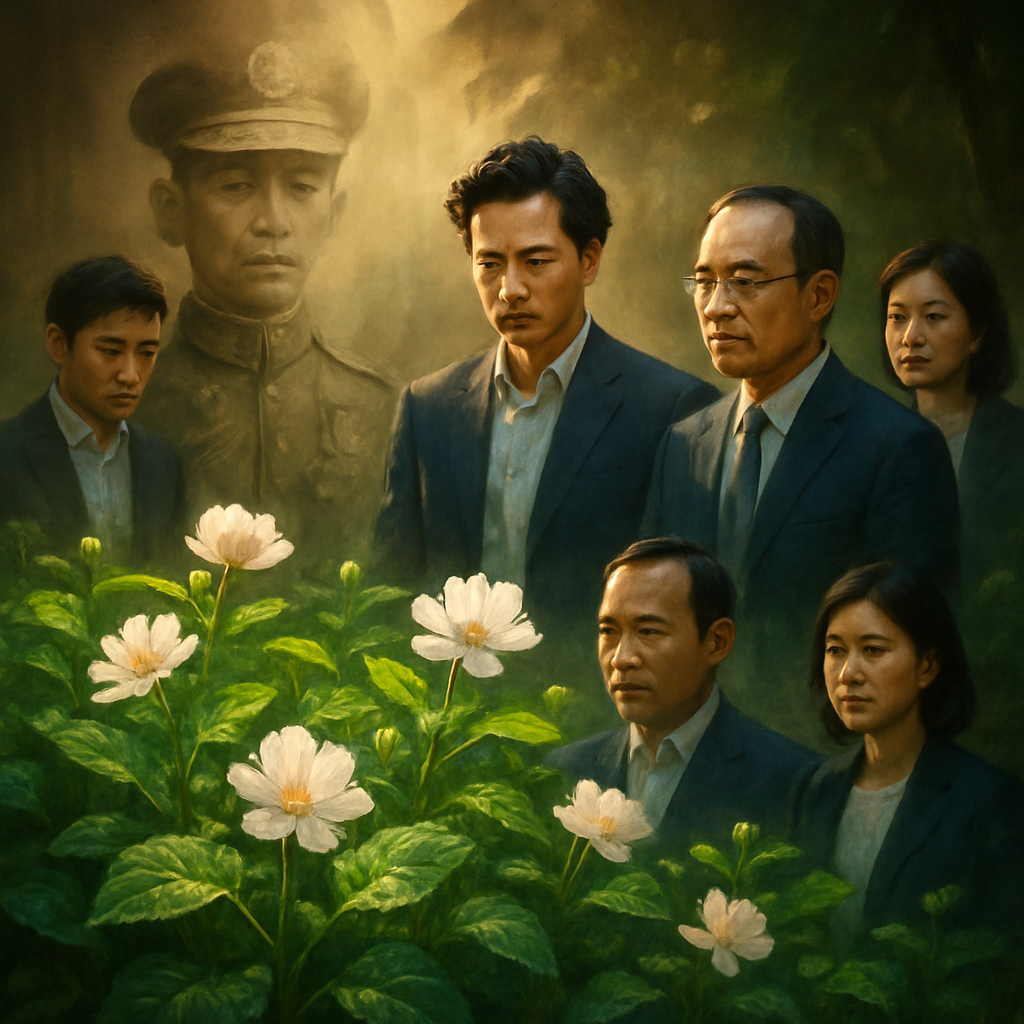
 Thailand finds itself reflecting on its tumultuous past while cautiously eyeing the future. It's a hot and humid day in May 2025, an appropriate setting to delve into the tangled vines of history as Defence Minister Phumtham Wechayachai addresses a room full of eager reporters. The subject that captures everyone's attention is the delicate topic of military coups in Thailand. Responding with the wisdom of a seasoned statesman, Mr. Phumtham talks about the 11th anniversary of the 2014 coup orchestrated by the now-defunct National Council for Peace and Order (NCPO), a shadow still looming in the collective Thai memory. Yet, despite the heavy history, there is a shimmer of hope in his words—a seed of progress within the heart of democracy.
Mr. Phumtham, with the poise of a mindful philosopher, adeptly weaves historical insights with the present day, urging the nation to cultivate patience. Strengthening Thailand’s democratic institutions isn't an overnight affair, after all. It’s a slow dance that cannot afford to stumble over the dangerous temptation of shortcuts. Reinventing democracy requires adherence to a process, he insists, where each step protects the integrity and harmony of the people.
When quizzed about the likelihood of another coup—specifically, whether 2014 marked the last of its kind—Mr. Phumtham delicately sidesteps absolute certainties. Life, after all, offers no guarantees. Nevertheless, with a glimmer of optimism, he shares his experience with contemporary military leaders. Gone are the days of purely authoritarian mindsets, he reflects. Today’s military brass are progressive thinkers, conversant with global dynamics and the profound impact of wielding power. Though it seems a coup is a relic of history, the door to possibility remains ajar—a tantalizing whisper of uncertainty.
"Democracy is in the gentle blossoming phase," Mr. Phumtham describes it with a hopeful sparkle in his eyes. "It’s a patient gardener’s job to nurture this plant with respect and an unyielding belief in the democratic process." Encouraging all parties to uphold checks and balances and maintain a well-rounded viewpoint, he echoes once more the crucial need for democratic fidelity.
It's a reality that Thai society is slowly pivoting towards embracing democratic values, as evidenced by the increasing appreciation of rights and freedoms among its people. Mr. Phumtham believes that this cultural shift holds a compelling promise—a natural barricade against the specter of military coups.
With his voice carrying the hope of a diplomat and the caution of an old guard, Mr. Phumtham emphasizes, "Problems need to be solved with a consistent lens of understanding and vigilance, ensuring peace and sustainability." His conviction leaves the air humming with a sense of possibility—democracy, after all, does not flourish in haste, but in mindful deliberation and time.
As if on cue, Parit Wacharasindhu from the People's Party paints a direct line to challenges that could stifle this democratic growth. Listing 11 hurdles, including contention over the Senate's election procedures tangled in election fraud allegations, Parit throws down the gauntlet. The 2017 Constitution stands accused as the root holding back democracy’s full potential.
With these thoughtfully articulated concerns, Thailand continues its journey—balancing on the tightrope between a stormy past and a future promising change and accountability. As they say, Rome wasn’t built in a day, and neither is a strong democracy. In Thailand, a nation characterized by resilience and complexity, the stage is set for a future where patience and persistent nurture of democratic principles will hopefully overshadow the ghostly memories of past coups.



Comment verification
Step 1 of 3
Verify your email once to publish your comment. Your email is never shown publicly.
Enter the 6-digit code sent to .
Choose the display name shown next to your comments.