Phumtham Wechayachai in Diplomatic Drama: The Uyghur Crisis & US Visa Controversy
In a world where diplomatic relations often navigate turbulent waters, stories of international diplomacy can be as gripping as a spy novel. This tale unfolds as Deputy Prime Minister Phumtham Wechayachai and Justice…
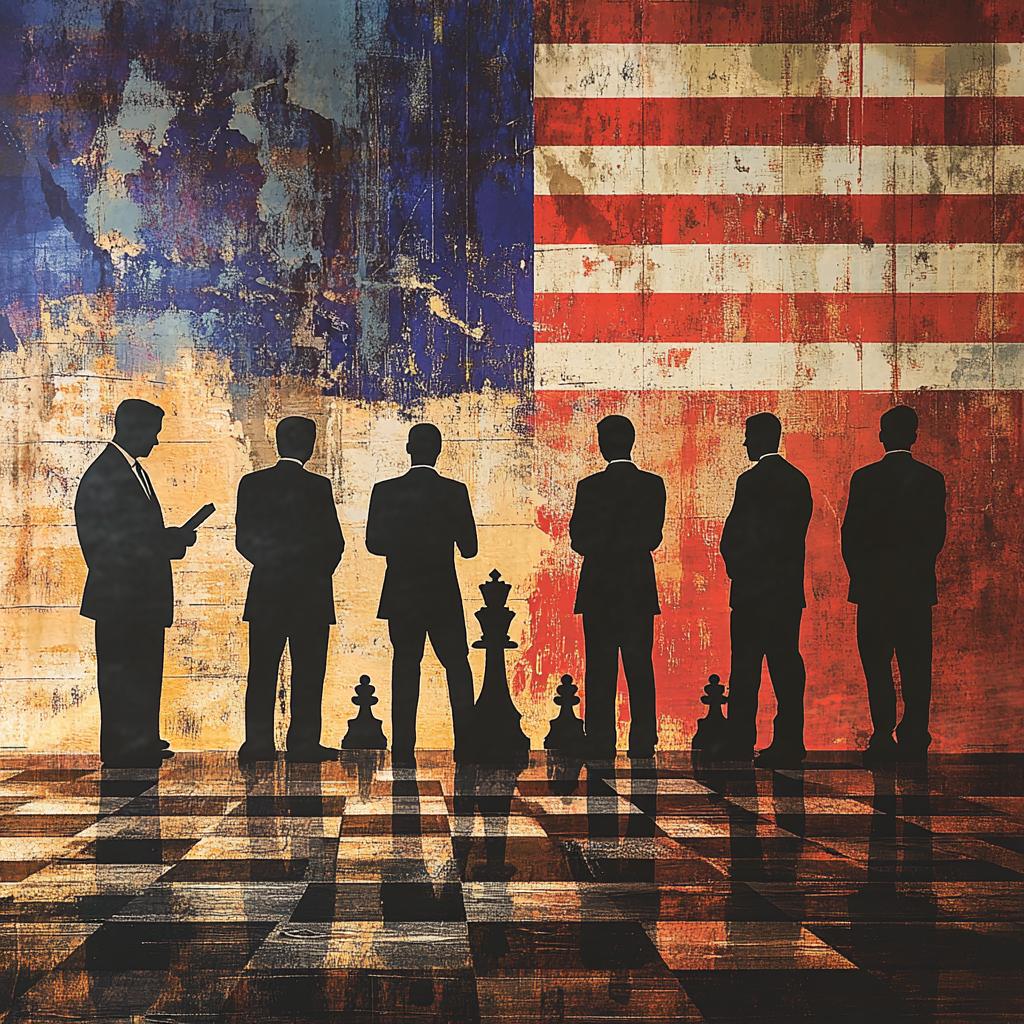
In a world where diplomatic relations often navigate turbulent waters, stories of international diplomacy can be as gripping as a spy novel. This tale unfolds as Deputy Prime Minister Phumtham Wechayachai and Justice Minister Tawee Sodsong journeyed to the Xinjiang region of China, aiming to visit the renowned Id Kah Mosque in Kashgar. Their mission was of significant concern: monitoring the status of Uyghur returnees, reportedly compelled to leave Thailand and return to China on a rather tense day marked as February 27.
However, the plot thickens as Defence Minister Phumtham Wechayachai finds himself at the heart of swirling speculation. It was rumored that the United States has been playing hard to get—refusing him a visa. This alleged slight followed Thailand’s contentious decision to send 40 Uyghurs back to China, causing global heads to turn and wag fingers with disapproval.
Amid mounting pressure, Minister Phumtham faced the media on a rather intense Wednesday. Journalists huddled with curiosity: Why were key ministers missing from the Thai delegation heading to the US for pivotal trade talks? Led by Finance Minister Pichai Chunhavajira, the delegation was expected to flaunt a charm offensive to win over American officials. Yet, alas, the talks were postponed, a delay ushered in by Prime Minister Paetongtarn Shinawatra, who cryptically cited 'issues' the US threw onto Thailand's plate.
In an intricate dance of diplomacy, Mr. Phumtham deftly acknowledged that Thai security faces were noticeably absent from the American-bound delegation. Still, he assured all that "where there’s a will, there’s a proxy," stating that if any proposals for security discussions required his attention, they would make the transcontinental journey to land squarely in his inbox.
The Ministry of Defence, ever diligent, had bravely tackled the looming specter of a potential US tariff hike, peering into the abyss of a 36% import tariff ominously hovering over Thai exports. Their findings were safely delivered to the Thai delegation, backed by a swell of government officials prepared to engage in intellectual dueling matches over these prospective changes.
Speculation buzzed like the drone of eager journalists. Did this exclusion from the delegation tie back to the controversial Uyghur deportation? Minister Phumtham coolly parried, asserting no direct notification from the US regarding travel embargoes, as whispers continued among the press.
International stages resonated with condemnation over Thailand's handling of the Uyghurs, as reports of alleged persecution on Chinese soil flared up globally. The US Department of State, in a bold move akin to a swift checkmate, announced sanctions targeting Thai officials. Interestingly, the officials' identities remained shrouded in secrecy, as if scripted by a master cop thriller.
Despite the unfolding drama, Mr. Phumtham was unflappable, downplaying the postponed trade chatter by emphasizing Thailand’s preparedness to spring back to negotiation tables at a moment's notice. After all, the curtains had not yet fallen on the final act of this saga.
In a subplot, Natthaphong Ruengpanyawut, leader of the ever-watchful opposition People’s Party, called on the government like a cinematic hero fighting for fairness. He urged transparency over measures supporting businesses bracing against stormy trade tariffs.
Meanwhile, the plot thickened with the arrest of Paul Chambers, an American academic on lese-majeste charges. The State Department, casting a concerned sidelong glance from afar, cautioned that this could spell doom for academic freedom. Chambers' plight—bound by bail, yet shackled to Thai soil—now intertwined with trade narratives, as his family waved protest signs inked with demands for justice.
In a personal stake that echoed through The Oklahoman newspaper, Kit Chambers, the academic’s brother, penned an ultimatum: no trade talks without justice for his sibling—positioning his brother’s freedom as the linchpin to advancing negotiations.
As this tale unfolds, Thailand weaves through diplomatic, economic, and human rights entanglements, its narrative becoming more intricate in this real-life drama of global relations.



Comment verification
Step 1 of 3
Verify your email once to publish your comment. Your email is never shown publicly.
Enter the 6-digit code sent to .
Choose the display name shown next to your comments.