Phumtham Wechayachai's Controversial Check Dam Proposal Sparks Debate in Northern Thailand
In the serene and stunning landscapes of northern Thailand, a heated debate simmers beneath the surface, centering around a proposal that has stirred passions and aroused concerns in equal measure. Defence Minister…
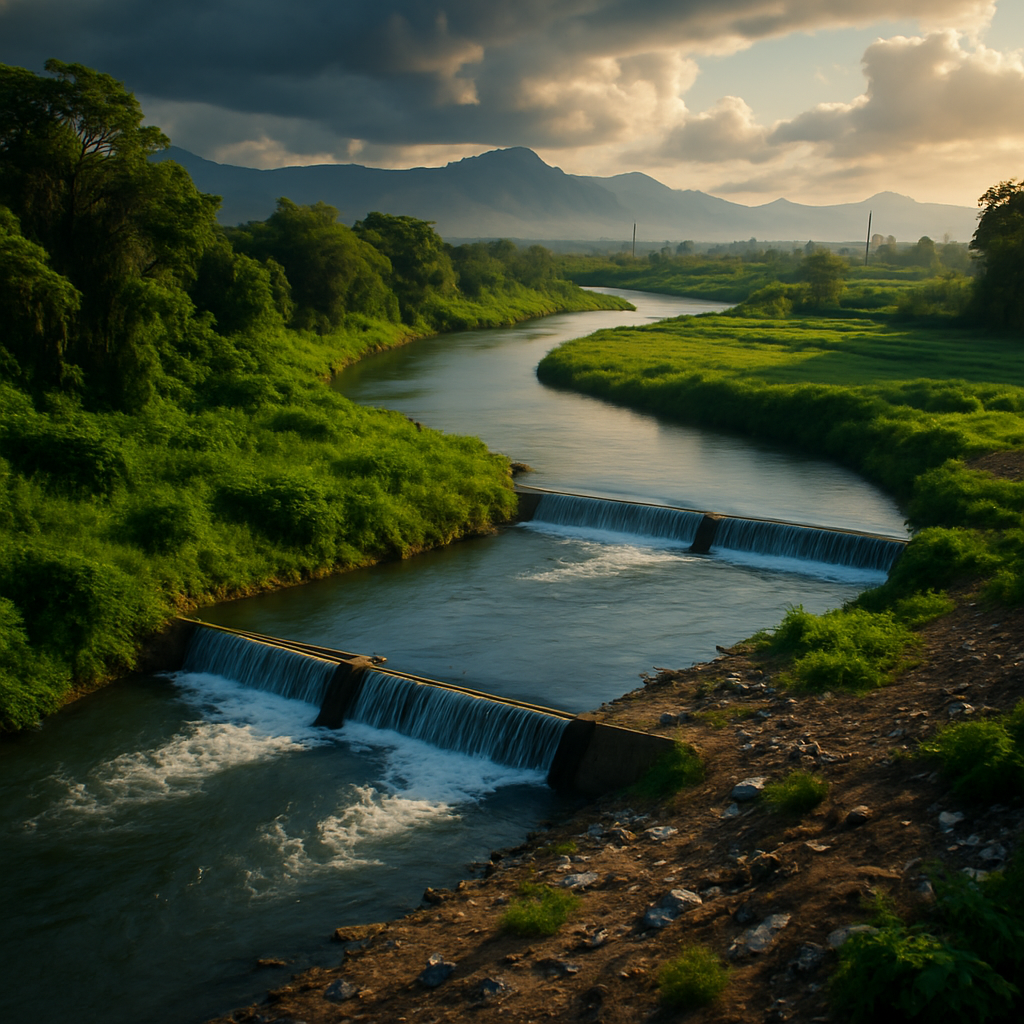
In the serene and stunning landscapes of northern Thailand, a heated debate simmers beneath the surface, centering around a proposal that has stirred passions and aroused concerns in equal measure. Defence Minister Phumtham Wechayachai has planted the seeds of contention by proposing the construction of check dams aimed at cleansing the rivers choked with heavy metals. It's a vision that aspires to silence the whispers of pollution, but one that has ignited a storm of dissent among civil groups who argue it's a smokescreen that sidesteps the heart of the matter.
Mr. Phumtham, with his dual hats as Defence Minister and Deputy Prime Minister, has amplified the urgency of the issue, especially during a pivotal meeting at the Flood, Storm, and Landslide Disaster Relief Operations Center. His directive is as clear as the rivers he wishes to purify; the Kok, Sai, and Mekong rivers must be freed from the toxic grip of upstream mining in Myanmar. Yet, while the intention is noble, the execution, as critics argue, may be flawed.
The proposal casts the dams as a bulwark against pollution—a reverse bastion to deflect hazardous sludge flowing from Myanmar's mineral-rich veins. Yet, it's a measure umbrellaed under scrutiny, as highlighted by elected voices like Chiang Mai MP Phattharaphong Leelaphat, who gently but firmly bursts the bubble. "A dam doesn't filter contaminants from water," he chimes in, skilled in his understanding of riverine craftsmanship.
In his opinion, while dykes might cradle some sediments, they are as fit for the Sai's turbulent waters as a sieve for soup. The Kok River may flirt with feasibility due to its forested foreshadowing, but even there, the benefits whisper rather than roar. His conclusion? A story of water that demands more conversation than construction.
"This must be a diplomatic dance," Mr. Phattharaphong insists, underscoring the orchestration required on the ministerial stage. He urges Thailand to spotlight this pressing narrative on the regional platform—be it Asean or the currently hibernating Mekong-Lancang Cooperation—galvanizing collective action.
As the voices of dissent gain decibels, we hear from Penchom Saetang, the eagle-eyed executive director of Ecological Alert and Recovery–Thailand (Earth). With a sharpness that matches her wit, she calls out the dam’s price tag and practical value as mere ripples in an ocean of ineffectiveness. "This is not merely a clash with the environment; it's an escalating public health conundrum," she laments, laying bare a tense tapestry of ecological and security risks.
Her eyes turn towards Malaysia, the current Asean helmsman, urging them to pivot priorities. And China, bearing the brunt of scrutiny, is called upon to rewrite its role, ensuring regional welfare doesn't crumble beneath the weight of distant profits.
The saga takes a gripping turn with revelations from the Senate Natural Resources and Environment Committee, finger-pointing at Myanmar's Shan State, a gold haven absent of accountability, where mining sites swirl with secrets rather than impact assessments. Heavy rains only compound the menace, as toxic torrents slither into Thailand's rivers, leaving arsenic and lead in their wake.
Yet amidst this diplomatic dance, Mr. Phumtham finds Myanmar's stance murkier than the rivers in question. The military absolves itself from the mines' footprint, casting the culpability towards zones controlled by the United Wa State Army (UWSA).
Adding layers to this intricate drama is Pianporn Deetes, River's Regional Campaigns Director. A resident amid the strife, she voices a somber warning—the Kok and Sai rivers now breach the borders of safety, earning a title as titans of transboundary torment. Her words are painted with satellite-sworn truths: an expose of more than 40 illegal revelries of earth disruption, clandestinely criminal and covertly Chinese-backed.
Thus, as the waters of the north tremble with tales of toxicity, the narrative is far from over. And so, this complex chorus of environmental endurance, political providence, and regional recovery continues to unfold, urging us to listen not just to the flow of rivers, but to the stories they bear.



Comment verification
Step 1 of 3
Verify your email once to publish your comment. Your email is never shown publicly.
Enter the 6-digit code sent to .
Choose the display name shown next to your comments.