Pichet Kunadhamraks Leads Transformative Railway Project in Chiang Rai
The excitement buzzing around the hills of Chiang Rai is as palpable as a steaming cup of local Thai coffee, and it's all thanks to an ambitious railway project that's barreling down the tracks, eagerly chugging towards…
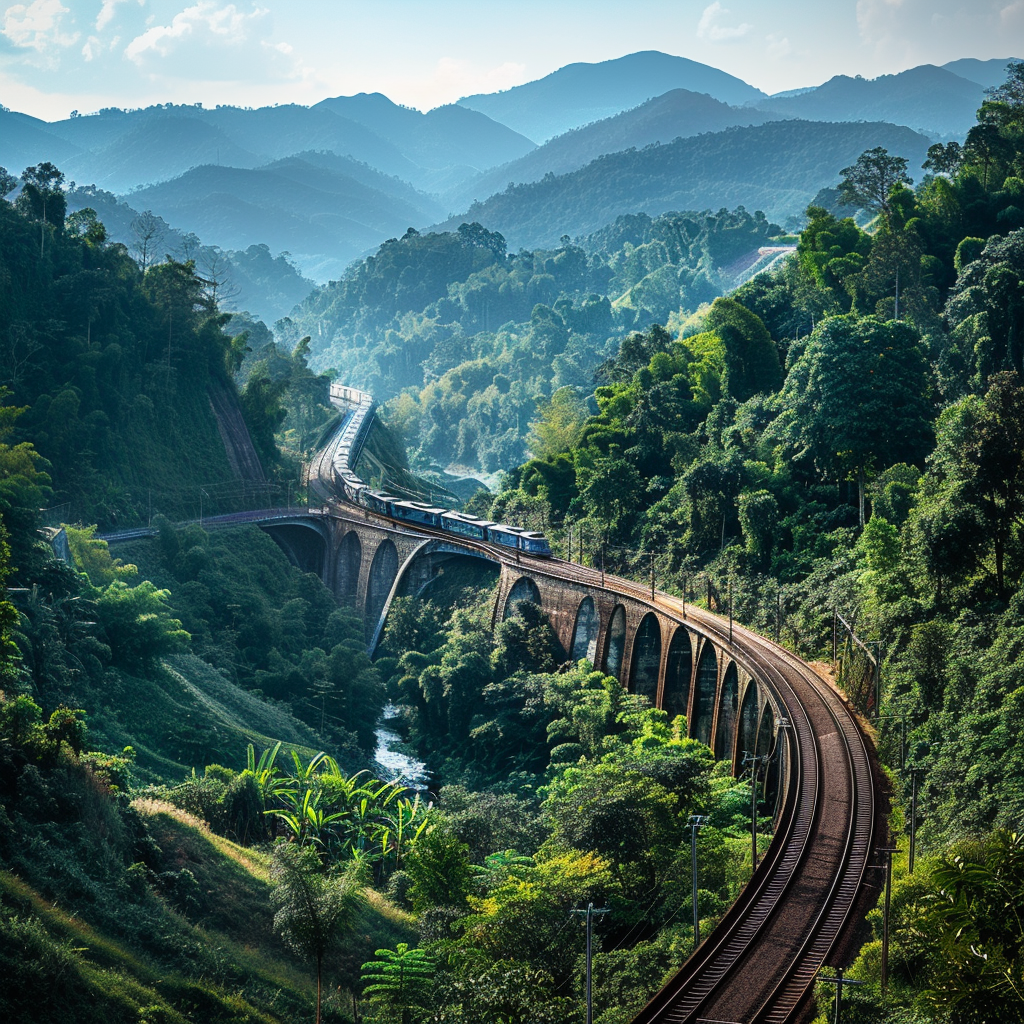
The excitement buzzing around the hills of Chiang Rai is as palpable as a steaming cup of local Thai coffee, and it's all thanks to an ambitious railway project that's barreling down the tracks, eagerly chugging towards completion. With the steady determination of a seasoned train conductor, the Department of Rail Transport (DRT) is steering this innovative development forward, as described by none other than their director-general, Mr. Pichet Kunadhamraks.
Spanning a spectacular 323 kilometers, this venture traces an alluring path from Den Chai district in Phrae, serenely cutting through the lush landscapes of Lampang and Phayao before reaching its anticipated crescendo in the picturesque Chiang Khong district. Now, imagine this: a double-track railway system meticulously woven across this route, promising to gift the region with not just convenience but also resilience against Mother Nature's fiercer moods.
The project, wrapped like a precious gift in three parts — Den Chai to Ngao, Ngao to Chiang Rai, and Chiang Rai to Chiang Khong — comes complete with 26 stations, poised to spring to life with passengers and possibilities. The epicenter of innovation here? A robust design including ground-level tracks, elegantly elevated tracks, and four gravity-defying single-track tunnels carved out beneath the earth. Add to that a tapestry of railway bridges, overpasses, and underpasses, and you have the makings of a marvel.
Cue the alarm about monsoon troughs and potential flooding — particularly around the Yom River. But fear not, for our heroes at the DRT have turned to a solid research base, both domestic and international, to ensure that nothing rains on their parade. They've established comprehensive drainage standards that ensure both prevention and mitigation, bolstering the railway's defenses against furies unleashed by nature.
The crux of this meticulous endeavor lies in its three-pronged strategy: imposing new drainage system standards for areas with disaster risks, setting benchmark standards for future railway structures, and developing alert systems that keep a vigilant eye on emerging threats. Ten critically vulnerable zones have been earmarked to undergo this rigorous design process, turning potential worry into abundant caution.
Even beyond the immediate gains, this thoughtfully executed framework offers a template for other railway ventures across Thailand, including sophisticated double-track and high-speed rail systems. It's a move that doesn't just elevate safety and reliability but fosters sustainable development that moves in harmony with climatic evolutions.
Just last Thursday, Mr. Pichet and his team donned their hard hats and visited the Doi Luang and Ngao tunnels, where the drainage system construction is roaring ahead with a 20% completion rate, positively overtaking the original timeline. The smartly installed ventilation and drainage systems ensure rainwater makes a prompt, orderly journey into nature's capable arms, while strategic landslide barriers offer further reassurance along the route.
To top it off, these tunnel structures are sturdier than a wise elephant, boastfully claimed to withstand the turbulence of minor earthquakes too. Indeed, this railway project may soon redefine travel across Northern Thailand, melding modernity with Mother Earth's unpredictable beauty. And as this engineering feat unfolds, one can't help but feel a surge of excitement for the future and the journey that lies ahead.



Comment verification
Step 1 of 3
Verify your email once to publish your comment. Your email is never shown publicly.
Enter the 6-digit code sent to .
Choose the display name shown next to your comments.