Prime Minister Paetongtarn Shinawatra Faces Critical No-Confidence Motion Amidst Political Tensions
In the whirlwind of political maneuvers and parliamentary whispers, the spotlight recently beamed down upon Prime Minister Paetongtarn Shinawatra as she graced the halls of parliament last Thursday, donning an air of…
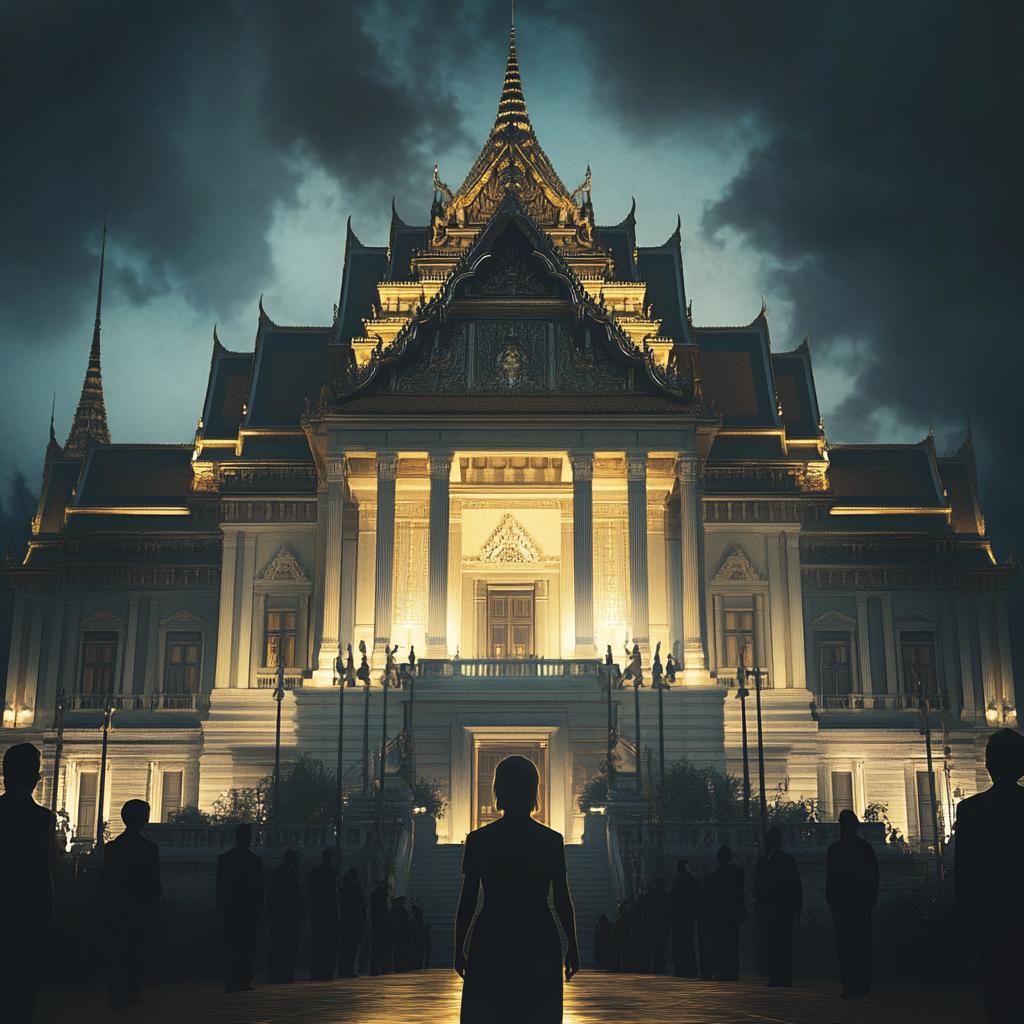
In the whirlwind of political maneuvers and parliamentary whispers, the spotlight recently beamed down upon Prime Minister Paetongtarn Shinawatra as she graced the halls of parliament last Thursday, donning an air of composed determination. Captured by the lens of Pornprom Satrabhaya, this image of leadership was, however, juxtaposed with the rumblings of political strategy brewing behind closed doors.
A no-confidence motion—an intriguing tool in the political arsenal—has been set in motion against Prime Minister Paetongtarn. It promises to unfurl the drama within the walls of the House of Representatives. The stage is set by Pol Sub Lt Arpath Sukhanunth, the seasoned secretary-general, who confirmed on Sunday the completion of the verification process. A probing odyssey into signatures and the motion's content has paved the way for this motion to make its ceremonial march towards the desk of House Speaker Wan Muhamad Noor Matha.
As the strategic plates shift, whispers from the past—specifically the phantom of former prime minister Thaksin Shinawatra—linger. Bearing the hallmark of political mystique, Thaksin's omnipresent influence stirs speculation. Yet, as Pol Sub Lt Arpath reinforced, the weight of such deliberations rests solely upon the shoulders of the House Speaker and his deputies. Their collective wisdom shall guide the discourse, artfully dissecting these shadows of yesteryears.
The narrative twists with Anusorn Eiamsaard, a vocal Pheu Thai Party-list MP, stepping onto the scene. With a plea resonating with parliamentary decorum, Mr. Anusorn calls upon the opposition to brandish their rights with constructive purpose, instead of wielding them as weapons of disdain. His words dance through the corridors of parliament, urging utilization of this esteemed platform for the enrichment of the nation—a call to steer clear of the destructive clutches of partisan fray.
At the heart of this riveting tale sits Thaksin Shinawatra, a figure wrapped in tales as vibrant as his daughter's ascent to power. Despite the unfathomable tapestry of rumors, Mr. Anusorn, with unwavering conviction, declares Thaksin's absence from the cabinet's decision-making hub. Thaksin dwells not in the lists of parliamentary debate subjects. The focus remains, undeterred, on the trajectory of the country's future, leaving behind the echoes of personal vendettas.
Amid the whirl of parliamentary discourse, Pheu Thai spokesman Danuporn Punakanta adds a layer of legal finesse to the ongoing narrative. The party braces itself for a meticulous discussion on legal semantics, aiming to clear the fog that clings to this political saga. Mr. Danuporn reaffirms the political reality—Thaksin's non-inclusion in the cabinet roster renders him unable to partake in direct clarifications.
As the political debate threatens to swell to an unwieldy five-day fulcrum centered on a single individual, Mr. Danuporn strives for equilibrium. A call for moderation rings forth—government and opposition whips urged to bind together in consensus, preventing the pendulum of debate from swinging into the realm of excess.
To color this intricate painting further, rumors had swirled—a clandestine war room allegedly orchestrated by Thaksin within the heart of parliament. Yet, as Mr. Danuporn promptly refutes, this narrative flows into the abyss of fiction. Even if a chamber was conceived, it would serve as a citadel against misinformation, a rallying point of clarity amidst chaos.
And thus, the tapestry continues to weave—a curious blend of power, heritage, and resolve—with Prime Minister Paetongtarn Shinawatra at its helm. As the proceedings unfold, the eyes of the nation watch closely, entranced by the theater of high-stakes politics, where every word spoken and every silence held can alter the course of history.



Comment verification
Step 1 of 3
Verify your email once to publish your comment. Your email is never shown publicly.
Enter the 6-digit code sent to .
Choose the display name shown next to your comments.