Saraburi Construction Scandal: Chinese Workforce Probe Reveals Legal Breaches
In the bustling Thai province of Saraburi, an intriguing investigation was set in motion. The spotlight was on a construction company teetering under the scrutiny of the Thai authorities. This drama unfolded amidst…
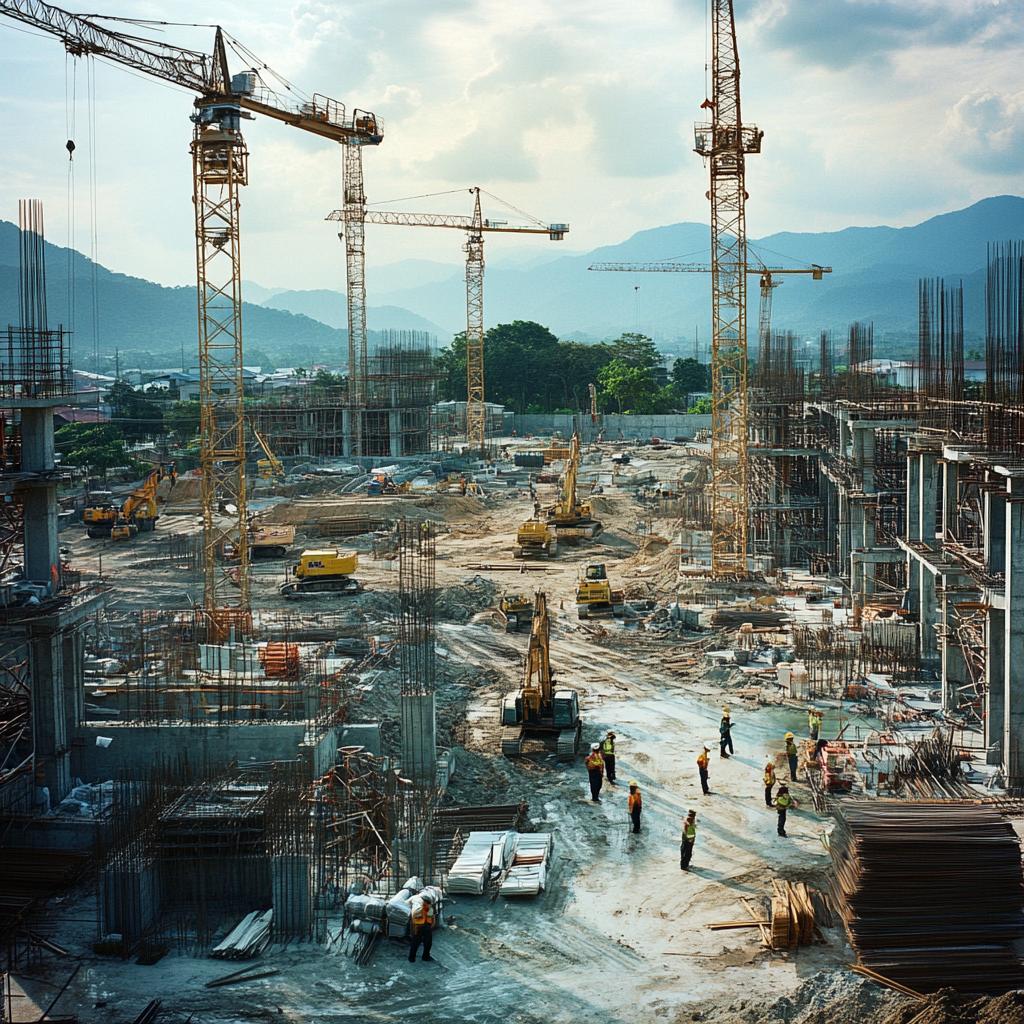
In the bustling Thai province of Saraburi, an intriguing investigation was set in motion. The spotlight was on a construction company teetering under the scrutiny of the Thai authorities. This drama unfolded amidst swirling rumors that the company employed an entirely Chinese workforce, which would have been an eyebrow-raising deviation from normal labor practices.
The stage was set on April 22. The plot saw Police Lieutenant General Phanumas Boonyaluck teaming up with a formidable lineup including Police Major Generals Phanthana Nuchanarot and Chairit On-orat. Together, they dispatched a search team spearheaded by the indefatigable Acting Police Lieutenant Colonel Thiwaporn Rungroj, the Saraburi Immigration Inspector. Side-by-side with Saraburi Immigration Police, the team coordinated with local law enforcement actors including the Saraburi Provincial Employment Office, Saraburi Provincial Police, Region 1 Police, and local administrative bodies in Saraburi’s Kaeng Khoi district.
Their mission? To unravel the mysteries surrounding this enigmatic company that allegedly pushed legal boundaries by employing foreign workers, unchecked. The site they descended upon was linked to TPIPP, a heavy-hitting player in the cement production and power generation arena. As the officers stepped onto the scene, the buzz of machinery met their ears, a testament to the company's industrious activities.
Amongst the cacophony of cranes and cement mixers, a grand total of 250 Chinese nationals came under inspection. Each individual possessed a special visa, stamped with the approval of Thailand’s Board of Investment (BOI). It seemed the company had, at least in one respect, played by the rules. Yet, not everyone emerged from the scrutiny unscathed. Thirteen workers strayed into legal gray areas by flouting regulations concerning their residence status. Consequently, they faced the music in the form of fines dictated by the ubiquitous, but unforgiving, Immigration Act.
Each wrongdoer was penalized to the tune of 4,000 baht (equivalent to US$120) under Section 37, while those caught in milder transgressions were fined 1,600 baht (equivalent to US$50) under Section 38. When the financial dust settled, these penalties stacked up to a hefty 40,000 baht (US$1,195).
In response to the dramatic turn of events, the construction company’s manager, Worawit, whose surname was respectfully withheld, made his case known. He assured all that the workforce was equipped with every last necessary permit. In his clear-cut statement, he explained that all imported materials for the power plant, prepped and ready to go, were fully authorized by the relevant Thai officials.
While the initial investigation by the Immigration Bureau ensured no misuse of visa waivers had occurred, the ripple effect was inevitable. With public interest piqued by the initial allegations, a deeper delve is expected. The power plant's saga, including the contentious imports, will be thoroughly examined by bodies such as the Saraburi Provincial Industry Office, as reported by KhaoSod.
It's a tale of policy, economics, and international labor unfolded in the heart of Thailand. Yet, amidst the legal jargon and enforcement action, what remains certain is the need for transparency and steadfast adherence to regulations, ensuring industry growth keeps stride with ethical standards in this vibrant land. It's a classic saga where human oversight and international collaboration dance to the timeless rhythm of legal scrutiny.



Comment verification
Step 1 of 3
Verify your email once to publish your comment. Your email is never shown publicly.
Enter the 6-digit code sent to .
Choose the display name shown next to your comments.