SEA Games RoV: Napat "Tokyogurl" Warasin Removed for Unauthorized Software
Drama, disappointment and a dash of digital suspicion: Thailand’s women’s Arena of Valor (RoV) squad found themselves at the centre of an unexpected SEA Games storyline on December 15 that left fans buzzing long after…
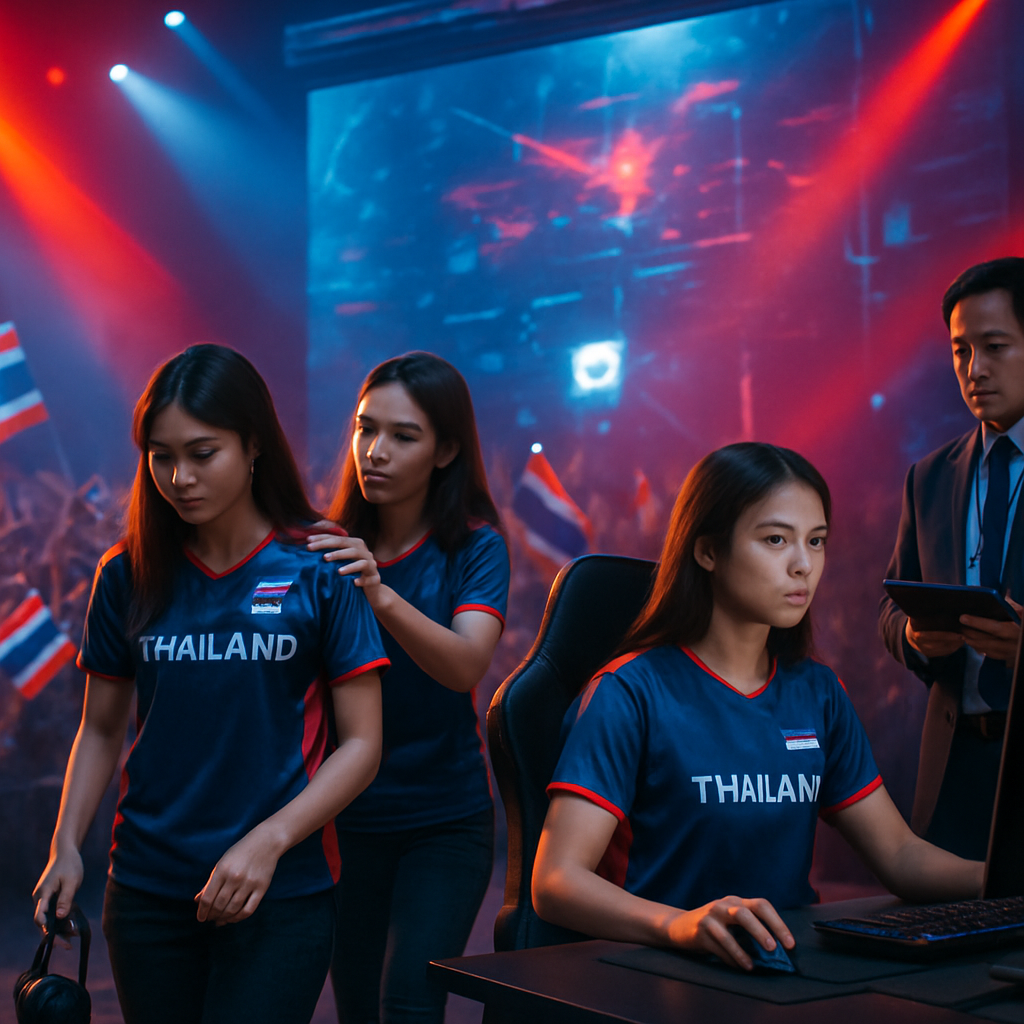
Drama, disappointment and a dash of digital suspicion: Thailand’s women’s Arena of Valor (RoV) squad found themselves at the centre of an unexpected SEA Games storyline on December 15 that left fans buzzing long after the servers cooled.
After a decisive 0–3 defeat to Vietnam in the upper bracket final, Team Thailand was relegated to the lower bracket — where they must now topple Laos to earn a rematch with Vietnam for the gold. But it wasn’t the game scoreline alone that dominated chatter; an internal issue that surfaced during the broadcast saw one player removed from the tournament, and social media quickly turned the situation into a thriller worthy of its own highlight reel.
Late yesterday, Jomkhon “Givemeakiss” Phumsinin posted a terse, emotional line on Facebook: “Knowing the truth broke my heart, but I’ll do my best.” The quote captured the mood around the Thai roster — part shock, part steely resolve — and sent fans scouring streams and comment threads for clues.
Eye-witness clips from the match showed Napat “Tokyogurl” Warasin giving an offensive gesture on a live broadcast, after which she was substituted. That incident quickly snowballed into speculation. Online sleuths and esports forums picked up on rumours that unauthorised software had been found on a competition device — a serious allegation in the locker-room-quiet world of competitive integrity.
The Thailand Esports Federation (TESF) stepped in on December 16 with clarity that cut through the rumour mill: Tokyogurl was officially removed from the national team following a breach of section 9.4.3 of the SEA Games esports technical handbook. TESF said the violation involved the use of unauthorised third-party software or hardware modifications during the December 15 match.
That confirmation shifted the narrative from “maybe” to “definitive” and raised immediate questions about consequences and process. In high-stakes esports, tournament integrity rules are strict for good reason — they preserve a level playing field and protect athletes and fans from unfair play. A finding of unauthorised software use can carry severe penalties, from match forfeits to wider bans, depending on the governing body’s assessment.
Amid the organisational statements and social media speculation, other teammates shared their own public responses. Jenniex posted on the morning of December 16: “Today I want to focus on the match and my duties first. I’ll respond to everyone’s questions later. Everything happened so fast. I’ve read all the comments, both good and bad. I’ll speak out soon. Thank you to everyone for your support. I’ll do my best.” The message struck a chord — a mixture of focus, gratitude and the pressure cooker feeling of competing on home soil.
For Thai fans, the story is twofold: there’s the immediate sporting drama of redemption and rematch, and there’s the reputational hit of a scandal playing out under the floodlights of the 33rd SEA Games. The games themselves have been under intense scrutiny this season; even the opening ceremony at Bangkok’s Rajamangala National Stadium attracted widespread criticism after a series of organizational errors. That backdrop makes any controversy feel larger, as if every headline is magnified through an already tense public lens.
Still, the competitive calendar waits for no controversy. Thailand’s RoV squad faces Laos in the lower bracket final, a do-or-die showdown that will determine whether the team earns another shot at Vietnam for gold. On paper, the Thai side still has all the pieces to mount a comeback — but the dynamics of a roster change, emotional turbulence and the spotlight of an ongoing investigation add unpredictable variables.
What comes next will hinge on the results on the server and the follow-up from tournament authorities. TESF’s statement confirmed the removal but did not elaborate on wider disciplinary steps — leaving room for further updates as officials review the incident and apply the appropriate sanctions set out in the technical handbook.
For spectators, the saga is a reminder that modern esports blends high drama with complex governance. Whether you’re a casual fan or a RoV enthusiast, the story unfolding at the SEA Games this week is a stark example of how rules, reputation and raw performance intersect — sometimes in very public ways.
As for the players themselves, the social posts revealed a human side behind the avatars and screen names: disappointment, resilience and a promise to focus on the task. Win or lose, Thailand’s women’s RoV team faces a pivotal match with more than a medal on the line; they’re playing for redemption, clarity and the chance to settle the score in a gold medal showdown.
Stay tuned: with esports’ pace and the SEA Games’ official processes both moving quickly, more updates — from tournament rulings to courtroom-style analysis in comment sections — are likely to follow. For now, the arena will decide who advances, and officials will decide what the rules demand.
Photo credits: Facebook posts from Nana Mi and the Thailand Esports Federation were referenced in reports of the incident.



Comment verification
Step 1 of 3
Verify your email once to publish your comment. Your email is never shown publicly.
Enter the 6-digit code sent to .
Choose the display name shown next to your comments.