Southern Thailand Flood Death Toll Confirmed at 179 — Officials Reject 1,000-Death Rumor
Official Update: Southern Thailand Flood Toll Rises to 179 as Officials Push Back Against 1,000-Death Rumour The Ministry of Public Health quietly updated the official figures for the devastating southern Thailand…
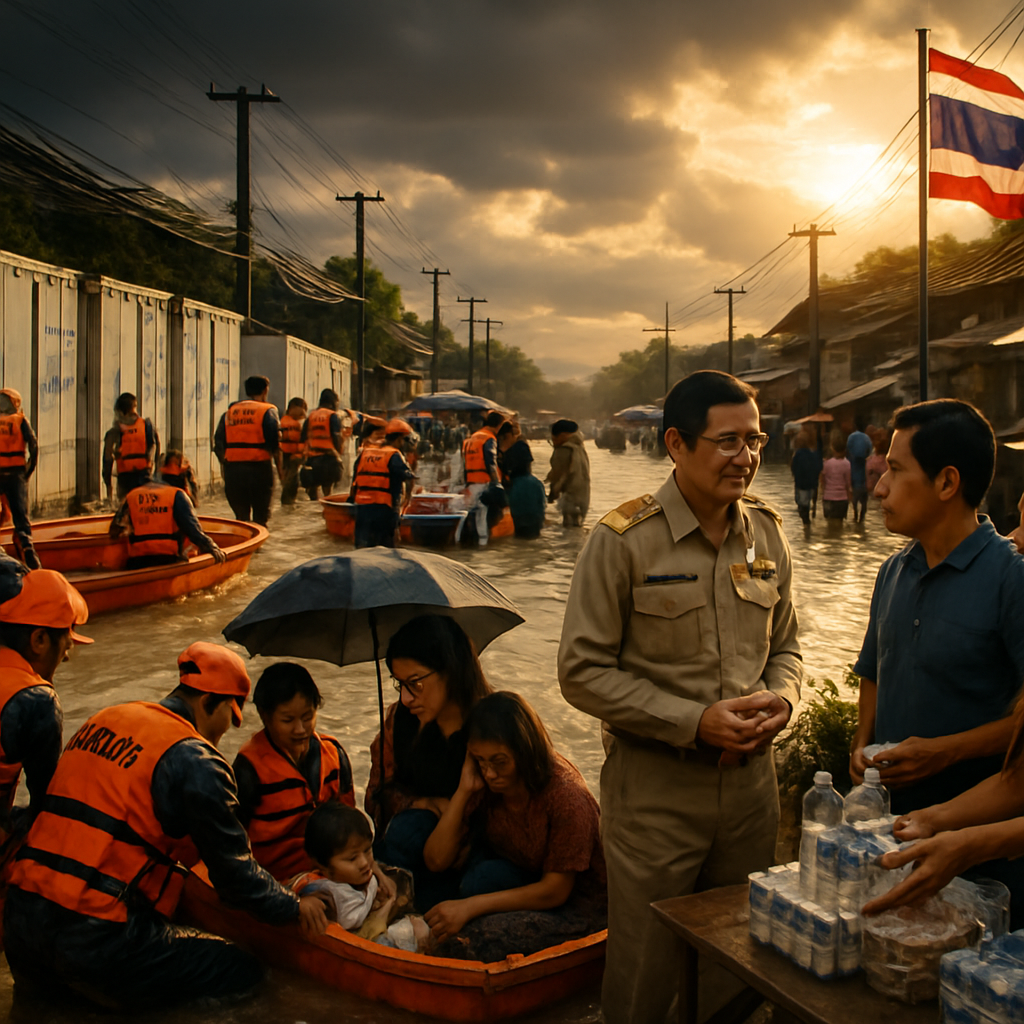
Official Update: Southern Thailand Flood Toll Rises to 179 as Officials Push Back Against 1,000-Death Rumour
The Ministry of Public Health quietly updated the official figures for the devastating southern Thailand floods on December 1, confirming what rescuers and recovery teams already suspected: the death toll has climbed slightly, from 170 to 179. The news came with an equally important clarification — persistent online claims that fatalities had exceeded 1,000 are false, and officials are urging calm and caution in how the public shares information.
Hat Yai remains the hardest-hit district
Songkhla’s Hat Yai district has borne the brunt of the disaster. According to Deputy Permanent Secretary Sakda Alapach, medical teams on the ground tallied 140 deaths in Hat Yai alone. That total breaks down into 65 people who died in hospital and 75 who were found deceased outside medical facilities. Of the bodies recovered, officials have officially identified 104, while 23 have already been released to families to begin funeral rites and mourning.
Those numbers are painstakingly compiled from field operations, hospital records and autopsy reports — the kind of methodical, non-sensational work that rarely makes headlines but is essential to both justice and closure.
‘Big Joke’ claim met with a firm rebuttal
The update followed a widely circulated comment by former Royal Thai Police Commissioner Surachate “Big Joke” Hakparn, who suggested the death toll might approach 1,000. Deputy Permanent Secretary Sakda Alapach publicly rejected that figure, calling it impossible and explaining why such estimates have no basis in the verified data coming from Songkhla.
Sakda pointed out that authorities did prepare seven refrigerated containers early in the response — a precautionary step often taken when recovery operations initially find a spike in recovered bodies. But that spike did not continue at the same pace. “We prepared for a worst-case scenario in the early stage; that does not mean the numbers kept growing to the levels suggested by rumours,” Sakda said.
See it for yourself, if you can
In an interview with Thai PBS, Sakda challenged sceptics to inspect the scene — or at least to refrain from spreading unchecked figures. “If you don’t believe me, go and look at each container. I would show you myself, but the area is restricted for autopsy work. I want everyone to understand the real processes. If you are curious, the best way is to see the work on-site.”
His point is simple: numbers that shape public perception should be traceable back to verifiable procedures like identification and autopsy, not amplified by social media conjecture.
Why misinformation matters — and what to expect next
Rumours like the 1,000-death claim do more than make for dramatic headlines. They undermine rescue efforts, stress already strained families, and divert attention from practical needs on the ground — clean water, shelter, medical care and respectful handling of the deceased. Sakda warned that misinformation “only fuels fear and confusion,” urging citizens and news outlets to rely on official channels and verified field data.
Officials do acknowledge that the recovery and cleanup phase could uncover more victims, especially in areas recently reached by teams. But Sakda stressed that any additional numbers would most likely be in the single digits rather than hundreds. Nearly all displaced residents have returned to their communities, which helps teams focus on clear-up and recovery tasks rather than large-scale search operations.
What the public should do
- Trust official updates from the Ministry of Public Health and local authorities.
- Avoid sharing unverified figures circulating on social media.
- Support flood-affected families through verified relief channels and community groups.
As Hat Yai and surrounding districts move from emergency response into the long, difficult work of rebuilding, officials say transparency and accuracy will remain priorities. The ministry reiterated that publicly released figures are grounded in verified data from field operations — not speculation, emotion, or assumptions.
For the people of Songkhla, the days ahead will be about counting what matters most: the living to be protected, the wounded to be treated, and the dead to be handled with dignity. For the rest of Thailand — and for readers abroad — the request is equally simple: share facts, not fears.



Comment verification
Step 1 of 3
Verify your email once to publish your comment. Your email is never shown publicly.
Enter the 6-digit code sent to .
Choose the display name shown next to your comments.