Surachai Liangboonlertchai Leads the Charge for Safer Double-Decker Bus Regulations
In an urgent move to address a burgeoning roadway safety issue, a Senate subcommittee focused on infrastructure and road vehicles has stepped forward with a clarion call for immediate measures aimed at curbing the…
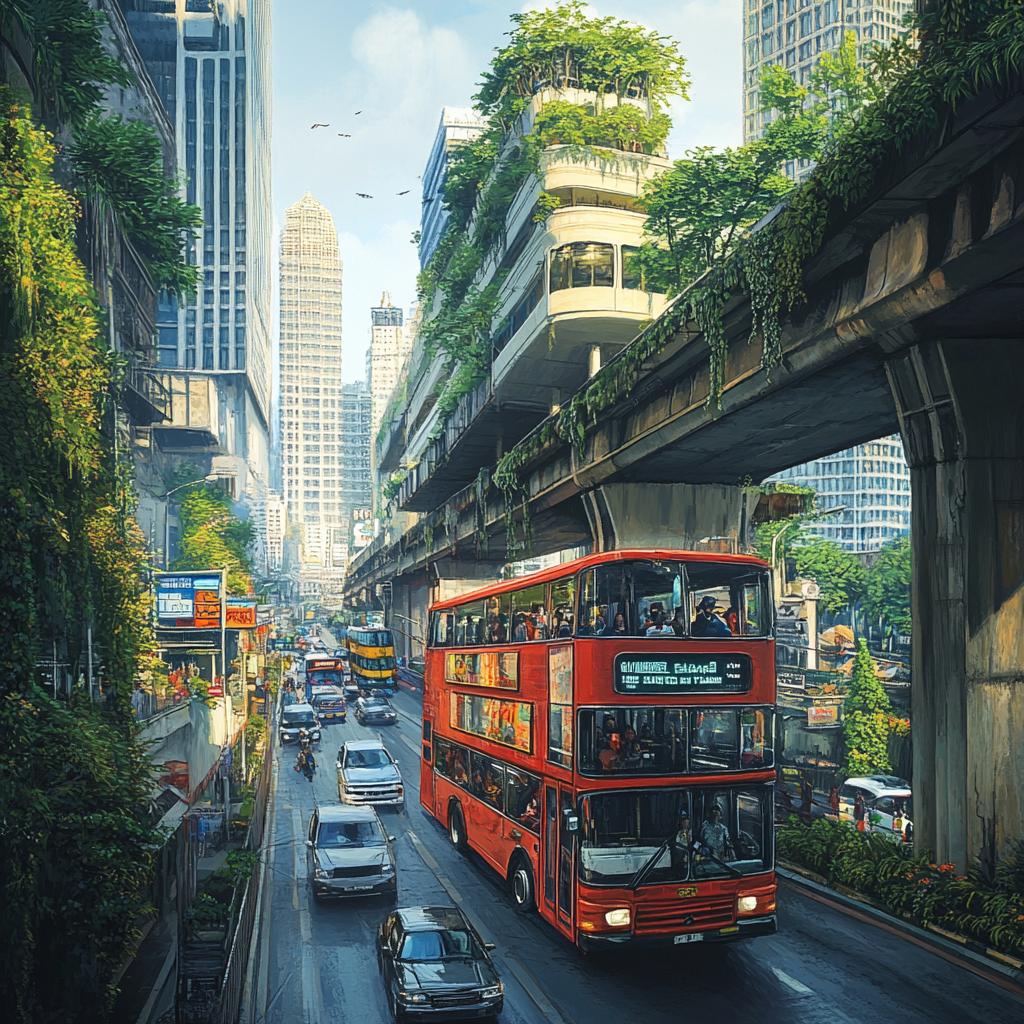
In an urgent move to address a burgeoning roadway safety issue, a Senate subcommittee focused on infrastructure and road vehicles has stepped forward with a clarion call for immediate measures aimed at curbing the alarming rate of road mishaps caused by towering double-decker buses. Spearheading this initiative is Surachai Liangboonlertchai, the dedicated chairman of the subcommittee, who convened a critical meeting yesterday, drawing together key sectors to delve into the unsettling findings of a preliminary probe into a recent calamitous incident. This tragedy, occurring along a stretch of Prachin Buri last Wednesday, claimed the lives of 19 individuals, leaving an additional 30 nursing injuries.
The preliminary investigation strikingly pointed fingers towards the very design of these double-decker behemoths, citing it as the chief culprit in the accident. Surachai conveyed a consensus amongst experts, who are of the firm belief that these lofty giants are ill-fitted for the rigors of interprovincial voyages, especially when confronted with steep, challenging terrains.
Standing at imposing heights that breach the four-meter safety benchmark, these buses sport an unwieldy center of gravity, setting them up for potential imbalance and peril. It was with such alarming realizations that the Department of Land Transport made the pivotal decision back in 2016 to cease the issuance of new registrations for these colossal vehicles. Yet, a staggering cohort of over 7,000 double-decker buses, registered prior to the regulatory clampdown, still carves its path across the nation's roads. These buses have been linked to a grim series of catastrophes, including a haunting bus fire during a school excursion on October 1 of last year, which snuffed out the lives of 20 young students and three dedicated teachers.
Surachai has become a vocal advocate for heightened road safety strategies, emphasizing the imperative need for enhanced vehicle regulations and improved road conditions. "A heartbreaking tally of at least 10,000 souls are lost to road accidents annually, despite an enduring, decade-long campaign towards road safety," he lamented, calling for intensified dialogues and national strategies to catalyze a unified and proactive preventive approach.
Voicing his expert opinion from the academia front, Natakorn Phuksuksakul, a respected lecturer within Thammasat University's esteemed Faculty of Engineering, posited a different operational scope for these double-decker buses. He championed their use for leisurely city tours, ideally at a gentle crawl pace of 30-50 kilometers per hour, rather than high-speed provincial journeys fraught with danger.
Double-decker buses, the statistics suggest, are a whopping seven times more accident-prone than their regular counterparts, with a staggering tenfold increase in passenger fatality risk. The presence of passengers on the upper deck, Natakorn warned, disrupts the delicate balance of the vehicle, magnifying the potential for mishaps.
Despite the daunting safety challenges these buses present, Natakorn cautioned against an abrupt cessation of their services, acknowledging the complexities such a move would encompass. He, instead, advocated for a prudently regulated environment, proposing enforced speed limits and designated operational zones for these towering transports, paving a path for safer journeys.



Comment verification
Step 1 of 3
Verify your email once to publish your comment. Your email is never shown publicly.
Enter the 6-digit code sent to .
Choose the display name shown next to your comments.