Suriyachai Rawiwan Leads Bangkok Resilience Effort One Month After Earthquake Tragedy
In the hustle and bustle of Bangkok's vibrant cityscape, a somber pall has descended over a once-mighty skyscraper as rescue teams remain locked in a battle against the clock. The partially ruined 30-storey State Audit…
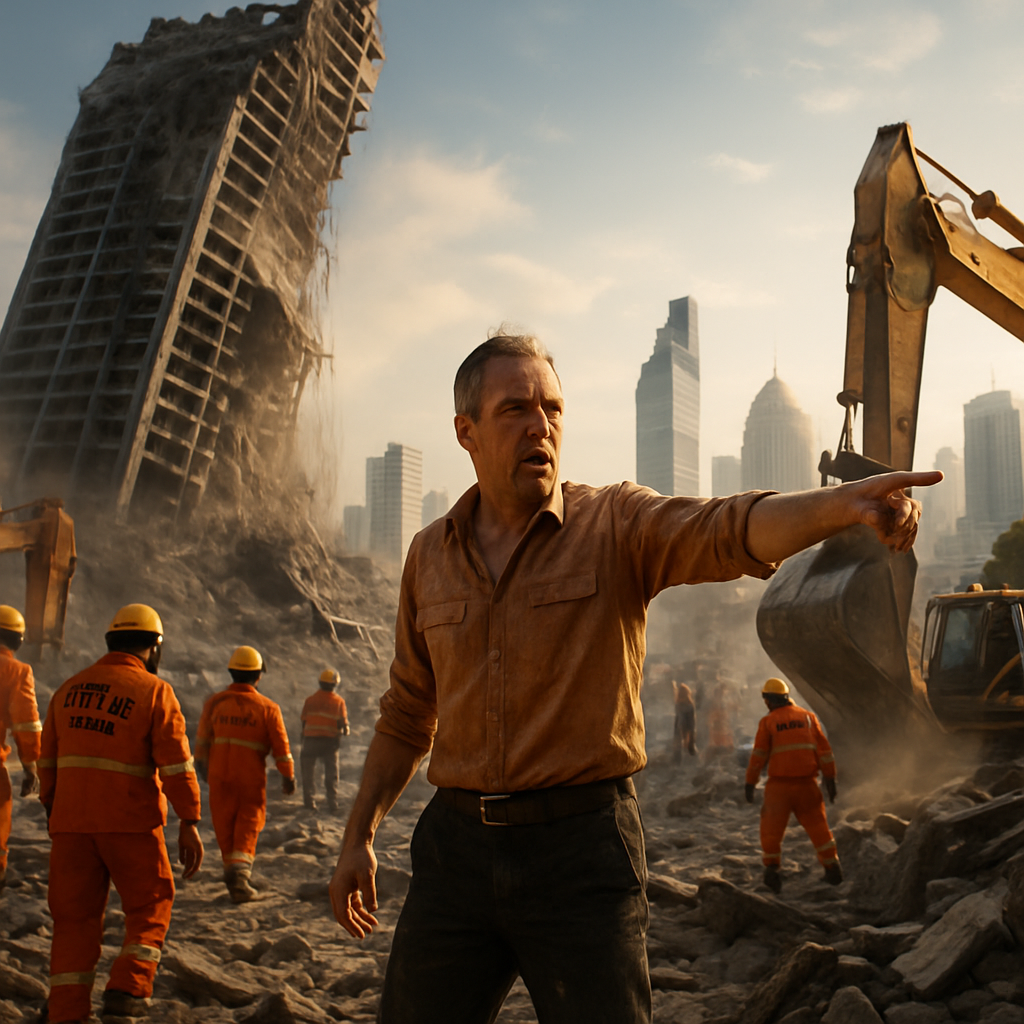
In the hustle and bustle of Bangkok's vibrant cityscape, a somber pall has descended over a once-mighty skyscraper as rescue teams remain locked in a battle against the clock. The partially ruined 30-storey State Audit Office tower stands as a stark monument to the fury unleashed by a 7.7-magnitude earthquake that rattled the region on March 28, 2025. With today being the fateful date of April 28, the memories of that day continue to cast their shadow, and with the confirmed death toll climbing to a heart-wrenching 62 souls, hope pounds unevenly but resolutely amongst the surviving families of the missing.
With determination carved into every line of his face, Suriyachai Rawiwan, the meticulous and tireless disaster mitigation director of the Bangkok Metropolitan Administration, finds himself at the heart of this colossal operation. Indomitable teams are trudging valiantly at heights some inches shy of the first floor—just 2.57 meters—through mountains of debris, praying that a whisper or murmur from below will guide them to a survivor.
The mighty quake, originating from Myanmar, sent shockwaves that did more than shake buildings; it jarred the very lives of those within them. The furious tremors reached all the way to Thailand's doorstep, toppling the tower like a house of cards caught out in the wind.
With the air swarming with dust and the metallic chime of machinery ringing through the ruins, more heavy equipment has now been marshaled to the fray. Backhoes, fitted with jackhammers, labor tirelessly under the steely command to rend through stubborn concrete slabs that jealously guard the secrets of the basement levels.
Adding to the pain of it all, disaster crews unearthed another victim over a somber weekend—an unidentified body resting beneath what remains of the fifth or sixth floor. As though wounds of grief weren't raw enough, five separate parts were found, adding gruesome numbers to an already cruel tally, as chronicled by the ever-watchful Bangkok Post.
Suriyachai, wise from past experiences, cautions that yet more lives might linger, entombed in the darkness below. His voice breaks slightly as City Hall updates that 32 souls remain unaccounted for and nine others are nursing injuries, while forensic analysts sift through over 250 human remains brought forth for identification.
Meanwhile, Karom Polponklang, the deputy government spokesperson, extends a hand of financial solace to grieving families. The Labour Ministry has dispensed a substantial 38 million baht on account of the fatalities incurred during the catastrophic tremor, involving more than 40 victims of the tower's untimely demise. For those left incapacitated or anchored in hospital beds as a result of injuries—from minor cuts to grave traumas—compensation can reach up to 1 million baht, a token to aid in their road to recovery.
In a city that refuses to be defined by tragedy, life elsewhere buzzes in contrast. Just moments ago, news rippled through the electronic grapevine of a gun-toting Toyota Vios driver in Prachuap Khiri Khan and the ongoing good-natured verbal sparring of protests planned against SEC and land bridge projects. Ever unpredictable, Bangkok remains a town colored by contradictions—a place where the normalcy of daily struggles runs parallel to efforts of heroic salvage and survival.
This day, April 28, heralds not only a future fraught with continued efforts to pull hope from tangled skies but also a future that promises innovation, renovation, and perhaps an anthem of resilience in the wake of tragedy.



Comment verification
Step 1 of 3
Verify your email once to publish your comment. Your email is never shown publicly.
Enter the 6-digit code sent to .
Choose the display name shown next to your comments.