Sutin Klungsang's Bold Move: Reshaping Thailand's Military Power and Defence Laws
In a thrilling turn of events that reads more like a script from a high-stakes political drama than the usual humdrum of government reshuffles, Defence Minister Sutin Klungsang finds himself at the epicenter of a storm…
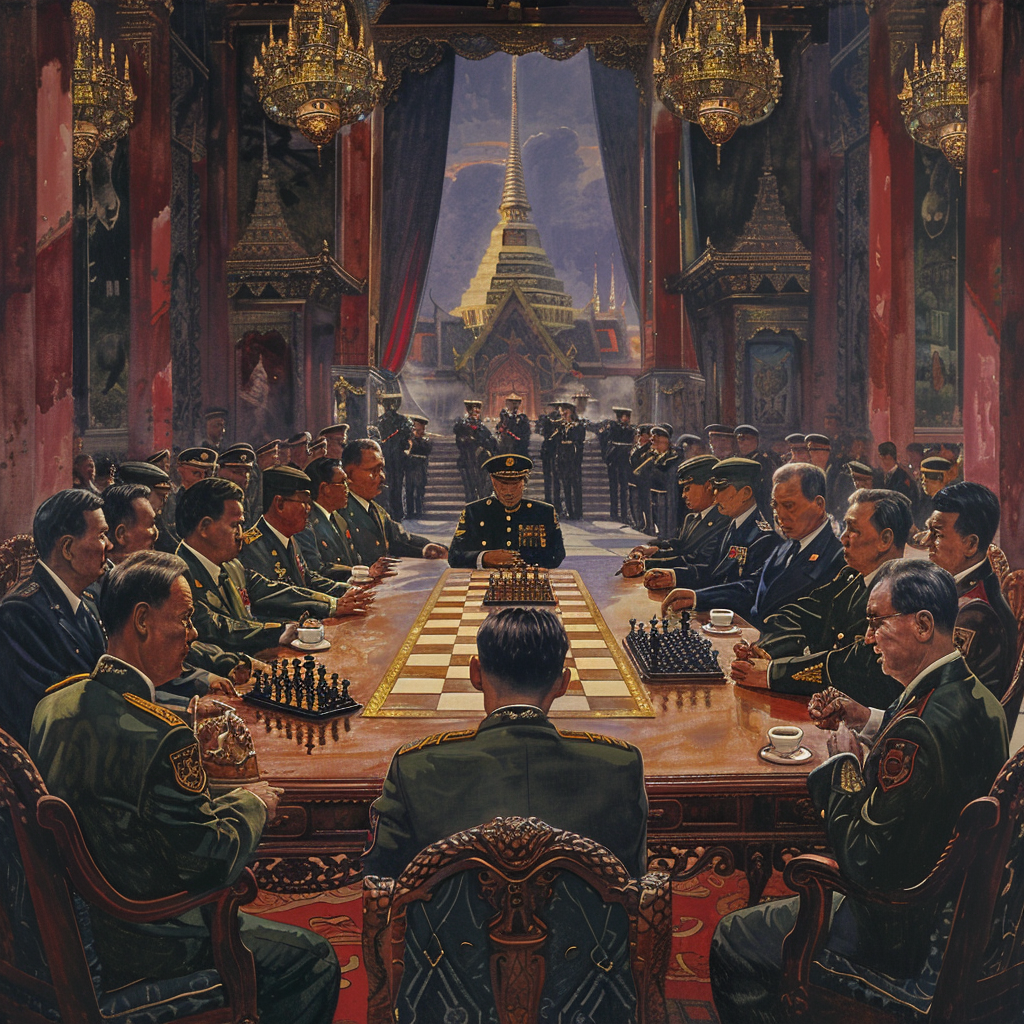
In a thrilling turn of events that reads more like a script from a high-stakes political drama than the usual humdrum of government reshuffles, Defence Minister Sutin Klungsang finds himself at the epicenter of a storm that's brewing within the halls of power in Thailand. The buzz is all about a controversial proposal that's got top military brass on the edges of their seats, furrowing brows over the potential for this shake-up to redraw the lines of authority and influence in a world where tradition clashes with the tides of change.
The drama unfolded at a Defence Ministry meeting not too long ago, where whispers of amending two pivotal laws – ones that govern the very soul and structure of the Defence Ministry and the Military Court – sent ripples through the room. But the real showstopper? A bold move to give the prime minister the power to press pause on top officers if there's even a whiff of them conspiring to mount a military coup.
Imagine the scene: a hush falls over the meeting as this bombshell drops. The plan also teased the addition of two new faces to the council, a body previously run by a trio of members, turning it into a quintet. Now, this isn't just any council. We're talking about a high-level assembly where decisions that shape the future of the nation's defence are made, now potentially poised to welcome government representatives into its fold. And Defence Minister Sutin, the man of the hour, is urging this new composition to be adopted post-haste.
The twist in the tale? The armed forces are somewhat in the dark, left piecing together what these changes might mean for the revered "Seven-Tiger Board". This board, a powerhouse committee comprised of the defence's crème de la crème, is where decisions about who climbs the military ladder are made. And let's just say, it's no secret they've enjoyed a rather firm grip on the reins, especially when it comes to appointing the top dogs – the commanders-in-chief.
But here's the kicker – if the proposal swings in favor of adding more government-aligned members to the board, the military's traditional stronghold on decision-making could face an unprecedented challenge. Could this mean a shift in the balance of power? A new era where the armed forces might have to share the sandbox a bit more than they'd like?
The plot thickens as the military leaders await further details with bated breath, pondering over the fate of the Seven-Tiger Board. Will it retain its stalwart composition, or will the winds of change blow in a new direction? Only time will tell, but one thing is for certain – the halls of power are abuzz with speculation, strategy, and the silent battle for control.
Intriguing, isn't it? This narrative breathes life into the age-old chess game of politics and power, where every move is calculated, and every decision has the weight of the nation behind it. Whether you're a military strategist, a political aficionado, or just a lover of a good power play, this unfolding story is one to watch. As for Defence Minister Sutin Klungsang, he's certainly no pawn in this game. But whether he'll emerge a king or find himself in checkmate remains to be seen.



Comment verification
Step 1 of 3
Verify your email once to publish your comment. Your email is never shown publicly.
Enter the 6-digit code sent to .
Choose the display name shown next to your comments.